
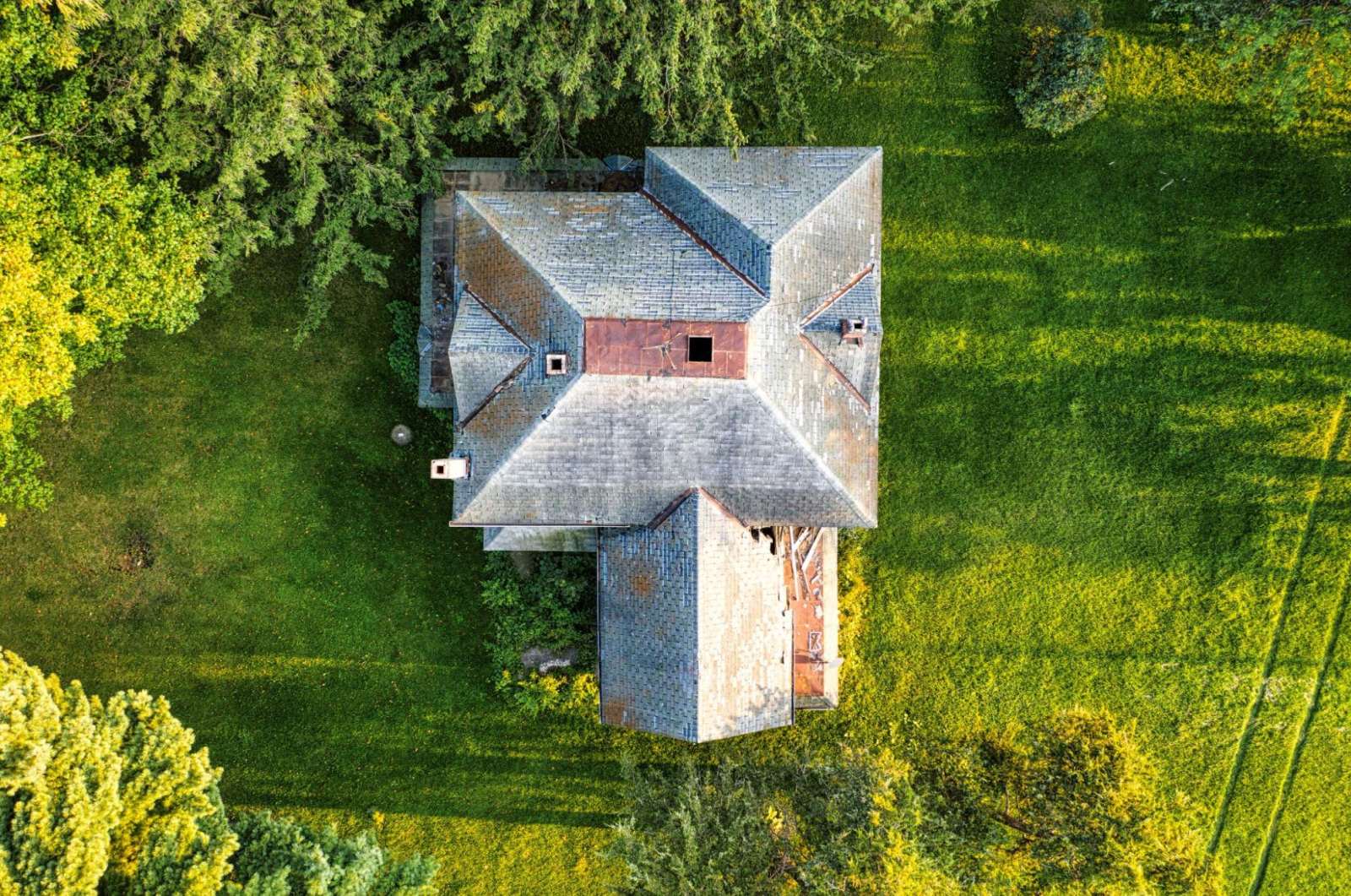
Repairing an older roof can make sense when the problem is isolated and the surrounding materials still have years of useful life left. The calculation changes when leaks keep returning, repairs begin spreading across several areas, or shingles become too brittle to work with reliably. For homeowners evaluating Omaha roofing, the important question is not simply whether another repair is possible. It is whether that repair is likely to preserve enough dependable roof life to justify the cost. If you are trying to decide between roof repair and replacement, look at repair history, material condition, moisture damage, and how much healthy roofing would remain after the next patch.
Table of Contents
- Repeated Repairs in Different Areas Point to Broader Aging
- Brittle Shingles Make Even Small Repairs Harder
- Recurring Leaks Suggest the Problem Is Larger Than One Defect
- Widespread Granule Loss Shows the Shingles Have Less Protection Left
- Decking Damage Can Make Repeated Surface Repairs Poor Value
- Storm Damage Matters More on a Roof That Was Already Nearing the End of Its Life
- Compare the Repair Cost With the Time It Is Expected to Buy
- Material Matching Can Become Difficult on Older Roofs
- Look at the Whole Roof Instead of the Latest Problem
- Know When Continued Repairs Stop Making Financial Sense
Repeated Repairs in Different Areas Point to Broader Aging
One repair does not mean a roof is failing. Several unrelated repairs over a short period can tell a different story. An Omaha roofing system that needed a flashing repair last year, replacement shingles after a windstorm this spring, and another leak repair this fall may be showing system-wide aging rather than a series of isolated problems. Keep a record of where repairs were completed and why. If new problems are appearing on different slopes or around different components, the roof may be reaching the point where maintenance is becoming continuous. Replacement becomes more reasonable when repairs are no longer correcting one weak area but chasing deterioration across the entire roof.
Brittle Shingles Make Even Small Repairs Harder
A repair often requires lifting shingles around the damaged section so new materials can be integrated correctly. Older shingles can crack, split, or lose excessive granules when moved, especially after years of Nebraska heat, cold, hail, and wind exposure. For Omaha roofing homeowners, this is one of the clearest signs that a roof is becoming difficult to maintain. A small leak may technically be repairable, but if fixing it damages the surrounding shingles, the scope can quickly expand. Ask whether nearby shingles are still flexible enough to work with. If every repair requires disturbing increasingly fragile material, replacement may provide better value than continuing to patch an aging surface.
Recurring Leaks Suggest the Problem Is Larger Than One Defect
A leak that returns in the same area should not automatically be treated with another layer of sealant or another replacement shingle. On Omaha roofing systems, recurring leaks can point to deteriorated flashing, damaged decking, an incorrectly built transition, or water entering farther upslope and traveling before it becomes visible. If the same interior stain returns after several repairs, the next inspection should trace the full water path rather than repeating the previous fix. Replacement does not automatically solve every leak, but repeated failures are a sign that the underlying roofing detail or surrounding materials need a more complete evaluation.
Widespread Granule Loss Shows the Shingles Have Less Protection Left
Asphalt shingles naturally lose some granules as they age, but broad areas of exposed asphalt or noticeable differences between slopes can indicate more advanced wear. Granules help protect the asphalt from sunlight and weather, so heavy loss leaves shingles more vulnerable to UV exposure and temperature changes. Omaha roofing homeowners should look beyond the granules collecting near downspouts and compare the actual roof surface. If granule loss is concentrated around one hail-damaged section, repair may still make sense. If several slopes are thinning, cracking, and showing exposed material, replacing individual shingles does little to address the condition of the remaining Omaha roofing system.
Decking Damage Can Make Repeated Surface Repairs Poor Value
Shingles are only one layer of the roof. Beneath them, the roof deck provides the surface that holds fasteners and supports the roofing system. Repeated leaks can soften, swell, or deteriorate sections of decking over time. On an older Omaha roofing system, localized deck damage may still be repaired by opening one area and replacing the affected wood. The decision changes when moisture damage is found in several sections or around multiple previous leak locations. At that point, repeated repairs require opening more of the roof each time. If significant decking replacement is becoming necessary anyway, a broader roof replacement may be more efficient than repeatedly removing and reinstalling small sections.
Storm Damage Matters More on a Roof That Was Already Nearing the End of Its Life
Nebraska hail and high winds can damage roofs of any age, but older materials have less flexibility and less remaining protective surface. A storm that creates a repairable problem on a newer roof may push an aging Omaha roofing system closer to replacement. The useful question is how much healthy roofing would remain after the storm damage is repaired. If most shingles are still secure and flexible, fixing one damaged slope may preserve several more years. If the roof already had widespread wear, previous patches, and brittle materials before the storm, another Omaha roofing repair may restore one section while leaving several other likely failure points untouched.
Compare the Repair Cost With the Time It Is Expected to Buy
Homeowners often compare the price of one repair with the much larger price of replacement, but that comparison can be misleading. A $1,500 repair that preserves five reliable years may be a strong investment. The same $1,500 spent every year on a roof that continues developing new problems is different. When evaluating Omaha roofing, ask how much useful life the proposed repair is realistically expected to preserve and what problems will remain afterward. Also consider whether another major repair is likely within the next few seasons. The goal is not to avoid replacement for as long as possible. It is to avoid paying repeatedly for short periods of increasingly unreliable performance.
Material Matching Can Become Difficult on Older Roofs
As shingles age, their color, texture, profile, and flexibility change. Exact replacement products may also be discontinued. On Omaha roofing repairs, newer shingles may not match the older roof visually or mechanically, and installing them among brittle surrounding material can create awkward transitions. A mismatch alone does not mean the roof needs replacement, but it becomes more relevant when repairs are spread across several visible slopes. If the roof is becoming a patchwork of materials from different years and the underlying shingles are already declining, continued spot repairs may offer less value than restoring the system consistently.
Look at the Whole Roof Instead of the Latest Problem
The newest leak or missing shingle tends to get the most attention, but the latest defect should not determine the decision by itself. A useful Omaha roofing assessment should compare all major slopes, ridge materials, flashing, valleys, previous repairs, attic moisture, decking condition, and shingle flexibility. One bad pipe boot on an otherwise healthy older roof still supports repair. The same failed pipe boot on a roof with brittle shingles, three old patches, widespread granule loss, and attic staining points toward a different decision. Replacement becomes more reasonable when several independent signs of decline appear together.
Know When Continued Repairs Stop Making Financial Sense
An older Omaha roofing system is still worth repairing when the damage is localized, surrounding materials remain workable, decking is mostly sound, and the repair is likely to preserve meaningful service life. Replacement becomes the stronger option when repairs are becoming frequent, different sections are failing, shingles are brittle, moisture damage is spreading, or each new repair buys less time than the last.
For Omaha roofing homeowners, the goal is not to replace a roof simply because it is old. It is to recognize when maintenance has shifted from preserving a functional roof to repeatedly managing a system that is declining as a whole. When Omaha roofing repairs still restore healthy materials, they can be worthwhile. When Omaha roofing problems are spreading across several components, replacement can end the cycle of paying more often for less dependable roof life.