
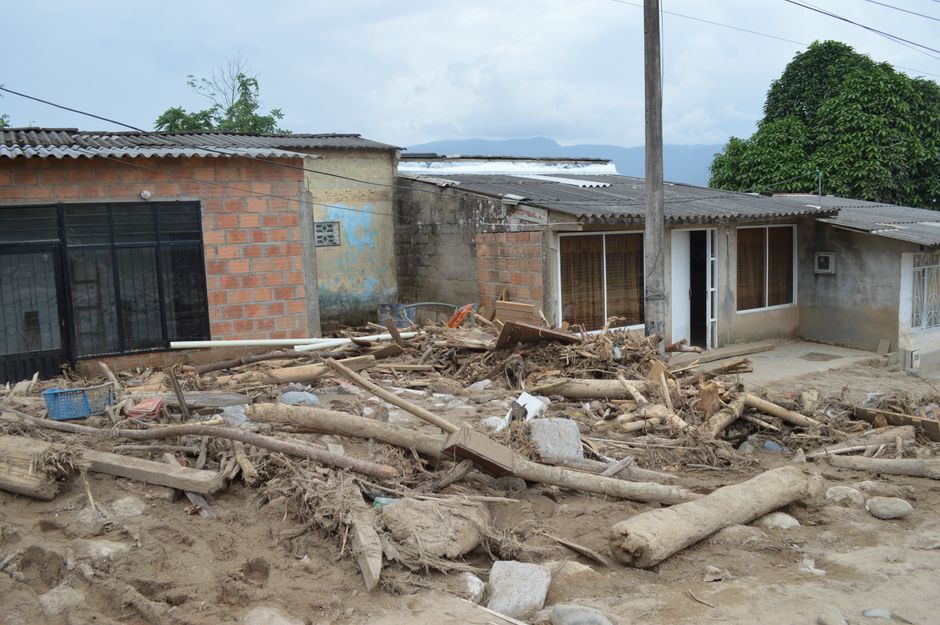
Water damage can turn a normal day into a cleanup marathon faster than you’d expect. If you live in Orlando, the risk feels especially real because heavy rain, humidity, plumbing issues, and sudden storms can all gang up on your home. You might notice a small stain on the ceiling and assume it’s harmless, then find warped flooring a week later. Knowing what to watch for early can save you money, stress, and a serious mold problem.
Table of Contents
- The First 24 to 48 Hours Matter More Than Most People Realize
- Water Damage Rarely Stays Small for Long
- Not All Water Damage Comes From Flooding
- Insurance Can Help, but Documentation Does Heavy Lifting
- Drying a Space Properly Takes More Than Fans and Hope
- Prevention Is Less Glamorous Than Renovation, but Much Cheaper
- A Quick Response Protects More Than Your Walls
The First 24 to 48 Hours Matter More Than Most People Realize
When water gets into your home, the clock starts immediately. Drywall absorbs moisture fast. Wood begins to warp. Fabrics trap odors. If the source involves gray or black water, sanitation becomes a serious concern on top of structural damage.
Your first steps should be practical and fast:
– Shut off the water source if possible
– Turn off electricity in affected areas if it’s safe
– Move rugs, electronics, and small furniture
– Take photos for insurance documentation
– Start ventilation with fans only if conditions are safe
You don’t need to play hero with contaminated water or soaked ceilings that look one drip away from collapse. If you’re looking for professionals who can help with water damage restoration Orlando has many service providers that handle water extraction, structural drying, moisture detection, and cleanup after leaks, flooding, or other water-related emergencies.
Water Damage Rarely Stays Small for Long
A minor leak has a sneaky talent for becoming a major repair bill. Water travels behind walls, under baseboards, into insulation, and across subflooring without making much noise about it. By the time you see bubbling paint or swollen drywall, moisture may already be spreading through areas you can’t inspect with a quick glance.
You should think beyond the obvious puddle.
Common hidden trouble spots include:
– Behind washing machines and dishwashers
– Under bathroom vanities
– Around window frames after storms
– Beneath laminate or vinyl flooring
– Inside attic spaces near roof leaks
In Orlando, humidity adds another layer of trouble. Damp materials take longer to dry, which gives mold a comfortable place to settle in. Water damage doesn’t wait for your weekend schedule to clear up. It keeps working the night shift.
Not All Water Damage Comes From Flooding
A lot of homeowners picture dramatic storm flooding when they hear the phrase water damage. That happens, sure, but many cases begin with ordinary household failures. A cracked pipe behind the wall, a water heater leak, an overflowing toilet, or an HVAC issue can all create enough moisture to damage large sections of your home.
Some of the most common sources are surprisingly boring, which makes them easier to ignore:
– Slow plumbing leaks
– Roof damage around flashing
– Clogged gutters backing water toward the house
– Appliance hose failures
– Poorly sealed tubs and showers
– AC condensation line clogs
The danger often comes from delay. If the leak is slow, you may not notice it until the drywall softens or a musty smell settles into the room. By then, the repair scope may include materials you never expected to replace.
Insurance Can Help, but Documentation Does Heavy Lifting
Homeowners insurance may cover certain types of sudden water damage, though coverage depends on the cause. A burst pipe might be covered. Long-term neglect usually won’t get much sympathy from your policy. Flood damage often requires separate flood insurance, which catches many people off guard.
You should document everything carefully from the start.
That includes:
– Photos of the source and all affected areas
– Videos showing standing water or damaged materials
– A list of ruined items and estimated values
– Notes on when the damage was discovered
– Any emergency repair receipts
Keep communication organized. Save emails, claim numbers, and contractor notes in one place. Insurance claims can become a paperwork obstacle course, and nobody enjoys that event. The more detailed your records are, the easier it becomes to explain what happened and what repairs are necessary.
Drying a Space Properly Takes More Than Fans and Hope
It’s tempting to assume that if a room looks dry, the problem is over. Unfortunately, surface dryness can be misleading. Moisture can linger inside wall cavities, under flooring, and in structural framing long after the visible water disappears. That leftover dampness is where mold, odors, and material deterioration like to hang out.
Professional mitigation teams often use tools such as:
– Moisture meters
– Infrared cameras
– Commercial air movers
– Dehumidifiers
– Containment barriers for affected zones
You may not need industrial gear for every spill, but larger incidents demand more than open windows and optimism. If your floorboards are cupping, your drywall feels soft, or the room smells earthy after drying, moisture may still be trapped. A space that isn’t dried thoroughly can keep causing damage long after the original leak is fixed.
Prevention Is Less Glamorous Than Renovation, but Much Cheaper
Most people don’t get excited about checking supply lines or cleaning gutters, yet those basic tasks can prevent expensive repairs. Water damage often starts with maintenance issues that seemed too minor to matter at the time. Then they matter a lot.
Smart prevention habits include:
– Inspecting appliance hoses twice a year
– Replacing worn caulk around tubs and sinks
– Cleaning gutters and downspouts regularly
– Checking your roof after severe storms
– Monitoring your water bill for unusual spikes
– Installing water leak detectors near appliances and heaters
If you live in a storm-prone place like Orlando, routine inspections are especially useful during rainy seasons. You don’t need to treat your house like a laboratory, but paying attention helps. A ten-minute check under the sink can beat a five-figure restoration project every day of the week.
A Quick Response Protects More Than Your Walls
Water damage affects comfort, indoor air quality, belongings, and your sense of control at home. It can disrupt your routine in ways that feel surprisingly personal. One leak under the bathroom sink can turn into flooring replacement, drywall repair, and a lingering odor issue if it sits too long.
The good news is simple: early action changes the outcome. If you spot stains, warping, musty smells, peeling paint, or damp flooring, take it seriously. You don’t need to panic, but you do need to move quickly. Fast inspection, clear documentation, and proper drying can limit the damage and keep repair costs from ballooning. Water may be essential for life, but inside your walls, it’s a terrible roommate.