
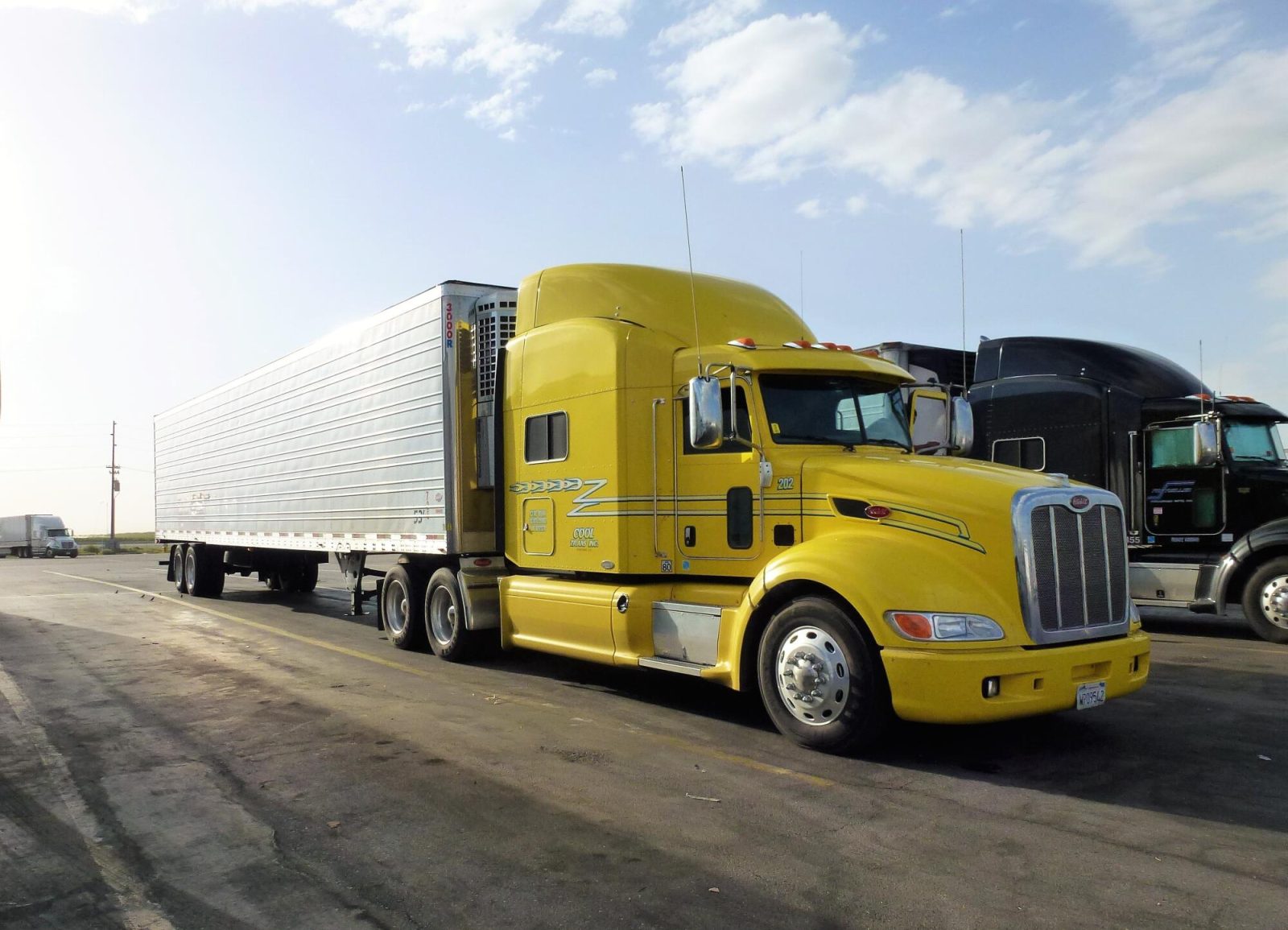
Sharing the highway with massive commercial vehicles takes constant attention. Large trucks have massive blind spots where passenger cars completely vanish from view. Knowing where these danger zones sit can protect you from serious crashes and save lives during daily travel.
The Reality of Large Vehicle Blind Spots
Driving next to a massive semi-truck can feel intimidating for any commuter. If a collision happens on the highway, talking to a truck accidents lawyer gives you a clear path forward. Knowing where these invisible areas are helps you stay safe every single day.
Commercial haulers sit high above the road surface. This elevated seating position creates massive gaps in their field of view. Drivers rely entirely on exterior mirrors to monitor traffic around them.
The sheer scale of an eighteen-wheeler makes maneuverability difficult. Weight distribution changes how fast these massive machines can brake or swerve. Passenger vehicle operators must respect these physical limitations during daily travel. Highway safety depends on mutual awareness between truckers and passenger cars.
Where the Danger Zones Hide
People often assume trucks can see everything surrounding them. The truth is quite different – they have four major no-zones.
Directly behind the trailer spans a huge invisible stretch. If you tailgate a big rig, the operator has zero awareness of your car. Braking suddenly in this zone invites a devastating rear-end collision. Staying far back helps you remain visible in exterior mirrors.
The sides present equal danger to everyday motorists. Passing on the right side poses an extreme risk since that mirror setup leaves a massive gap. Drivers sitting in the right lane must clear the cab quickly and decisively.
Front zones extend further than most drivers realize. Stopping too close to the front bumper cuts you out of the driver's line of sight entirely. Leaving extra room at red lights prevents tragic override accidents during sudden acceleration.
Safe Habits for Every Driver
Good driving habits help keep you and others safe. A few simple steps can help prevent crashes:
Check your mirrors.
Keep a safe space between cars.
Use your turn signals early.
Stay out of blind spots.
Pass only when it is safe.
Always watch the road and plan your moves. Take extra care when turning, especially on busy streets. Wide right turns need more space. Give large trucks plenty of room. This helps prevent crashes at busy corners and stops.
When Things Go Wrong on the Road
Mistakes happen even when drivers pay close attention. Poor weather conditions or heavy traffic can make visibility even worse. Rain spray and snow reduce mirror effectiveness drastically.
Commercial carriers must follow strict federal guidelines regarding equipment maintenance. Driver fatigue also plays a major role in highway incidents. Long hours behind the wheel dull reaction times significantly.
Proving liability after a crash involves gathering driver logs and electronic control module data. Legal professionals examine these records to build a strong case. Investigating corporate safety violations uncovers crucial evidence for victims seeking compensation.
Insurance companies often try to minimize payouts after commercial vehicle wrecks. Having experienced advocates on your side levels the playing field during negotiations. Victims deserve full financial recovery for medical bills and lost wages.
Final Thoughts on Road Safety
Staying alert near big rigs keeps everyone protected on daily commutes. Respecting their massive size reduces highway risks significantly. If you'd like to learn more, check out more articles on our blog.