
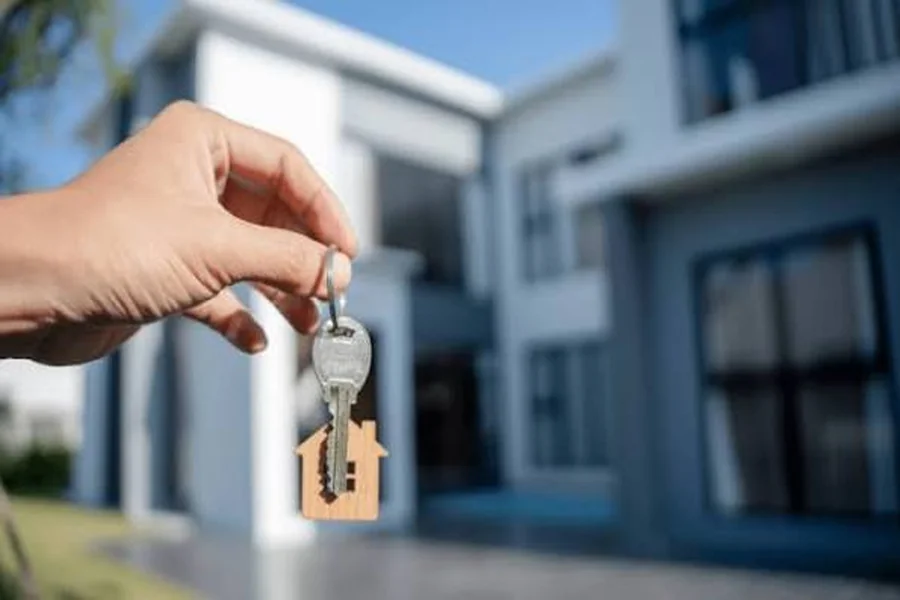
Achieving independent homeownership has long been considered one of the most reliable strategies for establishing personal autonomy and financial stability. However, traditional housing models are increasingly presenting friction points for modern buyers. Escalating material costs, prolonged construction schedules, and competitive suburban real estate markets have made conventional property acquisition challenging. As a result, forward-thinking buyers are turning toward alternative strategies that combine land ownership with streamlined residential solutions.
Taking a pragmatic approach to acquiring a home requires evaluating options based on total value, long-term operational efficiency, and control over your living space. By looking beyond traditional site-built development, buyers can establish a high-quality residential foundation that provides financial freedom without compromising modern comfort or structural integrity.
Table of Contents
Rethinking Property Acquisition and Site Independence
One of the most effective ways to simplify homeownership is separating the land acquisition process from the selection of the home structure itself. In conventional real estate transactions, buyers purchase a bundled package that includes developed lots, developer margins, and local association constraints.
Purchasing independent acreage in suburban-fringe or rural regions offers far greater flexibility. Buyers secure full title control over their land, allowing them to make long-term improvements at their own pace. Establishing a homestead on unrestricted or county-zoned land eliminates recurring homeowner association fees and restrictive architectural mandates. This independence provides property owners with the liberty to add accessory structures, establish gardens, or configure custom outdoor workspaces as their lifestyle demands evolve.
Finding the Right Fit for Your Climate and Land
When looking for a mobile home for sale, matching the layout to how you plan to live makes all the difference. Today’s single-section homes make great use of every room, giving you full-sized kitchens, comfortable living areas, and plenty of storage without taking up a huge footprint on your property.
It also helps to pick a home tailored to your local weather:
- Cooling and Heating Setup: Homes ordered for colder northern climates come with extra insulation and heavier-duty heating systems, while southern models focus on energy-efficient air conditioning.
- Weather and Wind Protection: Depending on whether your land is open farmland, coastal, or tucked in the woods, proper anchoring systems keep the structure solid against high winds.
- Heavy Snow Considerations: If you get real winters, choosing a roof built to handle snow accumulation prevents long-term wear and tear.
Getting these basic details right up front keeps your energy bills low, simplifies county permits, and ensures your home stays comfortable year-round.
Evaluating Construction Value and Cost Predictability
Controlling construction expenses is critical for maintaining financial stability throughout the home-buying process. Traditional stick-built construction routinely encounters unexpected costs due to labor shortages, material waste, and extended rain delays. These variables make budgeting difficult and often force buyers to compromise on finished square footage or quality.
Streamlined factory production eliminates much of this financial volatility. According to analysis from the National Conference of State Legislatures, factory-built residences cost roughly half as much per square foot as traditional site-built structures, largely due to predictable indoor assembly processes that are unaffected by weather delays. Bulk raw material purchasing and indoor assembly line efficiency allow factory manufacturers to maintain strict cost controls. The resulting savings enable buyers to allocate more capital toward property acquisition, site utilities, or long-term financial investments.
Essential Milestones for Independent Land Development
Successfully establishing a home base on independent land requires systematic preparation before the structural unit arrives on site. Following a structured development process ensures that site infrastructure is installed efficiently:
- Zoning Compliance: Verify local county land-use codes to ensure the parcel is zoned appropriately for single-section manufactured residences and accessory buildings.
- Utility Integration: Evaluate connections for municipal water and electric services, or plan for independent systems such as well drilling, solar generation, and high-speed satellite internet.
- Site and Foundation Preparation: Perform soil testing to plan appropriate septic drainage and clear a level pad designed for concrete pier or slab foundations.
- Access Logistics: Confirm that entry roads and driveway turnoffs provide clear, legal transport access for delivery teams and utility installation equipment.
Securing Long-Term Equity and Peace of Mind
Navigating a practical path to independent homeownership is fundamentally about taking control of your financial future. By pairing affordable, high-quality factory-engineered housing with independent land ownership, buyers establish a solid asset base that preserves wealth over time. This strategic approach offers a streamlined alternative to conventional mortgage debt, opening doors to a self-sufficient, comfortable, and resilient lifestyle.
1 thought on “The Practical Path to Independent Homeownership”