
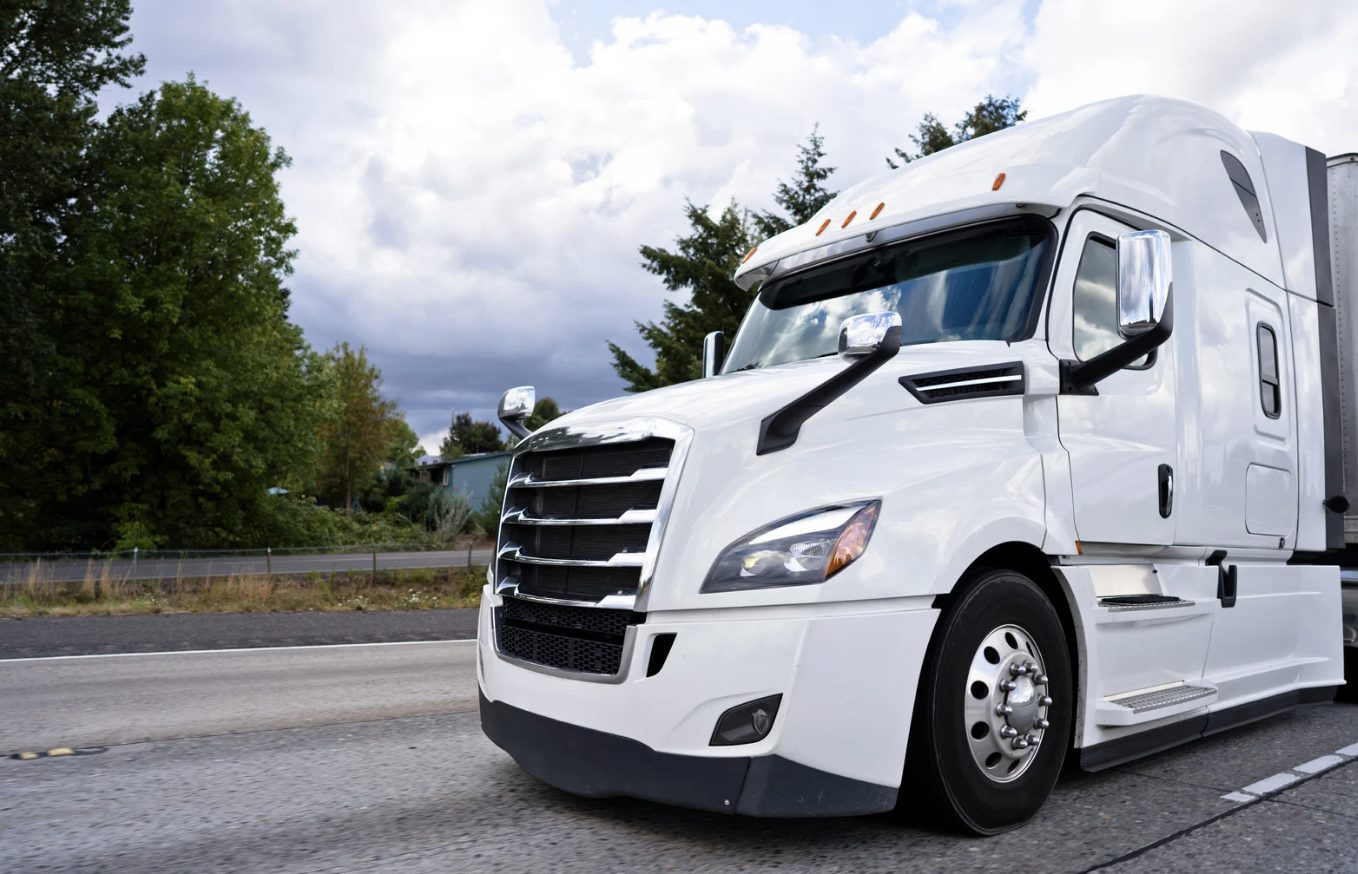
The most common causes of semi-truck accidents in Texas are driver fatigue, unsafe following distance, improperly secured cargo, and mechanical failures tied to poor trailer maintenance. Texas leads the nation in truck accident fatalities most years, and understanding why these crashes happen is the first step toward holding the right party accountable after a wreck.
Commercial trucking cases often involve far more than what happened in the seconds before impact. Through years of representing truck accident victims in Houston, Sutliff & Stout has found that critical evidence frequently points to decisions involving maintenance, loading, scheduling, or driver supervision long before the truck left the yard.
Here is what actually causes these wrecks, and what it means for your case.
Table of Contents
- Driver Fatigue Remains a Leading Cause
- Unsafe Following Distance and Following Too Closely
- Cargo Securement Failures
- Mechanical Failures and Poor Maintenance
- Distracted Driving
- Improper Turns and Blind Spot Collisions
- Weather and Road Conditions
- Why Identifying the Cause Matters for Your Case
- What to Do If You've Been in a Semi-Truck Accident
Driver Fatigue Remains a Leading Cause
Federal hours-of-service rules limit how long a commercial driver can be on the road without rest, but violations remain common, especially among drivers under pressure to hit tight delivery windows. Fatigue slows reaction time in ways similar to alcohol impairment, and a fatigued driver behind an 80,000-pound vehicle has far less margin for error than a passenger car driver in the same situation.
Electronic logging devices were meant to reduce these violations, but drivers and dispatchers sometimes find ways around them, whether through falsified logs or simple pressure to keep driving past legal limits. When we investigate a crash, pulling the electronic logging data is one of the first things we do, since it often reveals a pattern of fatigue the trucking company would rather not discuss.
Unsafe Following Distance and Following Too Closely
Semi-trucks need significantly more distance to stop than passenger vehicles, particularly when fully loaded. A truck traveling at highway speed can take the length of a football field or more to come to a complete stop. Drivers who follow too closely, whether from inexperience, distraction, or simple impatience, often cannot stop in time when traffic ahead slows suddenly, resulting in devastating rear-end collisions.
Cargo Securement Failures
This is one of the areas where trailer type matters enormously, and it is also one of the most preventable causes of serious crashes. Federal regulations require cargo to be properly secured based on the type of trailer and the nature of the load. An open-deck configuration, like what you'd get from a flatbed trailer rental or a semi flat bed trailer rental, carries real risk if straps, chains, or tie-downs are not rated correctly for the weight and shape of the cargo. We have handled cases where improperly secured lumber, pipe, or machinery shifted or fell from a flatbed mid-transit, causing catastrophic injuries to other drivers.
Enclosed trailers are not immune either. Whether cargo is loaded into a dry van trailer rental or a reefer trailer rental, weight distribution still matters. An unevenly loaded trailer can cause a truck to become unstable during turns or sudden maneuvers, contributing to rollovers even when nothing is visibly falling off the vehicle.
Mechanical Failures and Poor Maintenance
Brakes, tires, and coupling systems all require regular inspection, and a failure in any of these systems can be catastrophic at highway speed. Whether a company owns its fleet outright or relies on rented equipment for a specific haul, the legal duty to maintain that trailer in safe operating condition does not disappear. We have seen cases where a rented trailer had a known mechanical issue that was never addressed before it was put back into service, and identifying who was actually responsible for that maintenance became a central question in the case.
Distracted Driving
Cell phones, dispatch systems, and in-cab technology all compete for a driver's attention, and federal regulations specifically restrict handheld device use while operating a commercial vehicle. Even a few seconds of distraction at highway speed covers a significant distance, and in a vehicle this large, that distance is often the difference between a near miss and a fatal collision.
Improper Turns and Blind Spot Collisions
Semi-trucks have substantial blind spots on all sides, often called "no-zones," and drivers who fail to check these areas before turning or changing lanes put nearby vehicles at serious risk. Wide right turns are a particularly common cause of collisions with vehicles that are stopped or slow-moving in an adjacent lane.
Weather and Road Conditions
Texas weather can shift quickly, and heavy rain, fog, or sudden temperature changes affect stopping distance and vehicle control significantly more for a large truck than for a passenger car. A driver who fails to adjust speed for conditions, or a trucking company that pushes drivers to maintain a schedule regardless of weather, shares responsibility when conditions contribute to a crash.
Why Identifying the Cause Matters for Your Case
Every one of these causes points to a different potentially liable party, the driver, the trucking company, a maintenance provider, or, in some cases, an equipment leasing or rental company. This is why a thorough investigation matters so much. Experienced truck accident lawyers like Sutliff and Stout send investigators to the crash scene quickly, before evidence disappears, and we know how to pull the specific records, driver logs, maintenance history, and cargo manifests that reveal what actually happened.
Our firm has recovered more than $1 billion for injury victims, and our attorneys are board-certified in Personal Injury Trial Law, a distinction held by a small percentage of Texas attorneys. That experience matters in truck accident cases specifically, since these claims involve federal regulations and corporate defendants that most personal injury cases simply do not.
What to Do If You've Been in a Semi-Truck Accident
Get medical attention first, even if injuries seem minor at the scene, since some serious injuries do not present symptoms right away. Document what you can at the scene if it's safe to do so, and avoid giving a recorded statement to the trucking company's insurer before speaking with an attorney. Trucking companies often send investigators to the scene within hours of a serious crash, and having your own advocate working just as quickly protects your ability to recover full compensation.
How long do I have to file a truck accident claim in Texas?
Texas generally allows two years from the date of the accident to file a personal injury lawsuit, though certain circumstances can affect this deadline. It is best to speak with an attorney as soon as possible after a crash.
Can I still recover compensation if the truck driver blames road conditions?
Yes. The weather does not excuse a driver or company from the duty to operate safely for the conditions present. If a driver failed to slow down or adjust for known hazardous conditions, that failure can still support a claim.
What if the trailer involved in my accident was a rental unit rather than company-owned?
Liability in these cases can extend beyond the driver and the trucking company to include the entity responsible for maintaining or providing the trailer, depending on the terms of the rental or lease agreement and who had responsibility for inspection and upkeep. This is exactly the kind of detail our investigators dig into early in a case.