
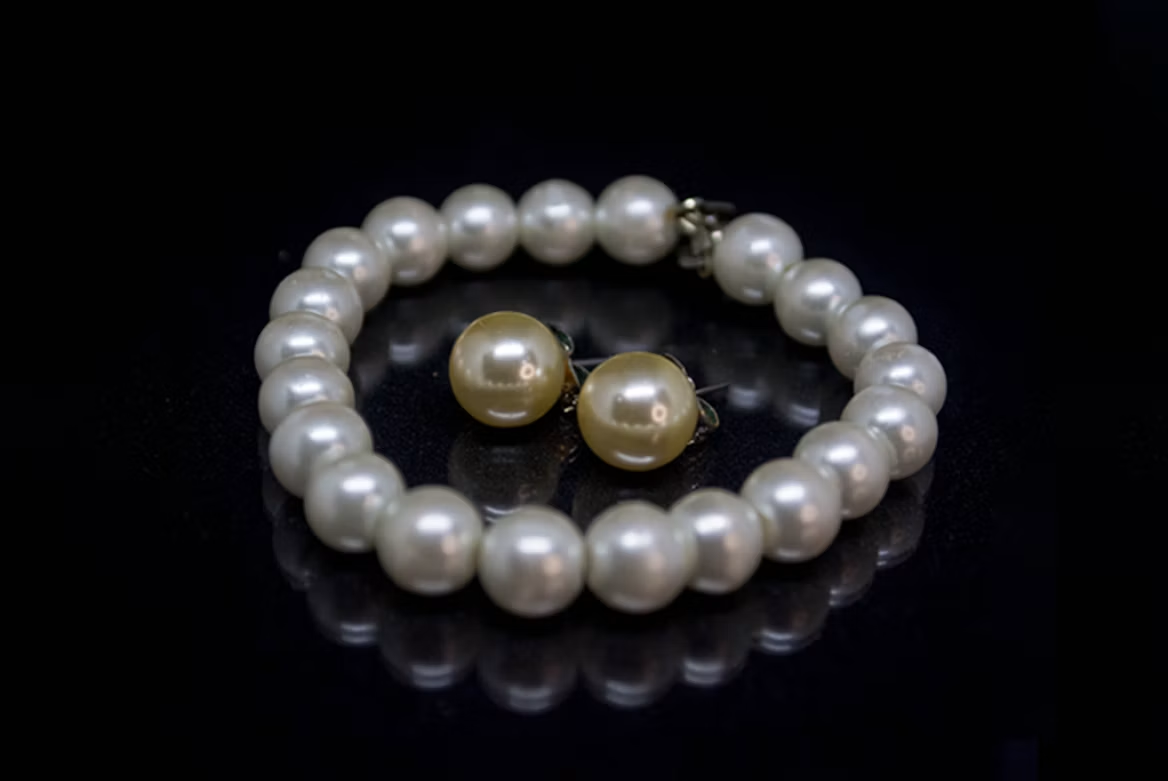
Pearl bracelets are a versatile jewellery choice that combines natural lustre with a refined appearance. Their range of colours, sizes and designs allows them to suit different preferences and occasions. For those considering a pearl bracelet in Singapore, jewellery collections offer options ranging from traditional pearl strands to contemporary designs featuring precious metals and gemstones. The appeal of these bracelets lies in their ability to complement both formal and everyday outfits while maintaining a distinctive appearance.
Table of Contents
Cultural Significance of Pearls
Pearls hold different meanings across cultures and are commonly associated with qualities such as purity, harmony and balance. In many Asian societies, pearls are regarded as symbols of elegance and good fortune. They are also frequently incorporated into wedding jewellery, where they can represent unity, purity and new beginnings.
These associations contribute to the appeal of pearl bracelets as meaningful accessories. A bracelet may be selected not only for its appearance but also for the symbolism connected to pearls. This makes pearl jewellery suitable for personal use as well as gifts for important occasions.
Types of Pearl Bracelets
Pearl bracelets are available in several varieties, each offering different colours, sizes and surface characteristics. The type of pearl can significantly influence the overall appearance of a bracelet.
Tahitian pearls are recognised for their darker tones and natural colour variations. Shades can include grey, green, blue and other deep hues. Their distinctive appearance makes them suitable for individuals who prefer jewellery that differs from traditional white pearl designs.
Akoya pearls are known for their round shapes and bright lustre. They are commonly used in classic jewellery designs and are well suited to those who prefer a simple and polished appearance.
South Sea pearls are generally larger and are valued for their smooth surfaces and satin-like lustre. They are commonly cultivated in Australia and Southeast Asia and are often combined with gold or platinum settings. Their larger size can give bracelets a more noticeable presence without requiring elaborate designs.
When selecting a pearl bracelet, factors such as lustre, colour, shape, size and surface quality can help determine the suitability of a piece. These characteristics also contribute to differences in style and value.
Craftsmanship and Design
The quality of a pearl bracelet depends partly on how carefully the individual pearls are selected and arranged. Jewellers assess pearls based on their lustre, shape, size and surface condition before incorporating them into a bracelet. When multiple pearls are used, careful matching helps create a balanced and consistent appearance.
Bracelet designs range from simple strands to more detailed pieces featuring gemstones and precious metals. Classic strands allow the pearls to remain the main focus, while modern designs may use fewer pearls combined with metal elements or other stones.
Contemporary jewellery designers have also introduced unconventional arrangements and minimalist settings. These designs provide alternatives for those who appreciate pearls but prefer a less traditional style.
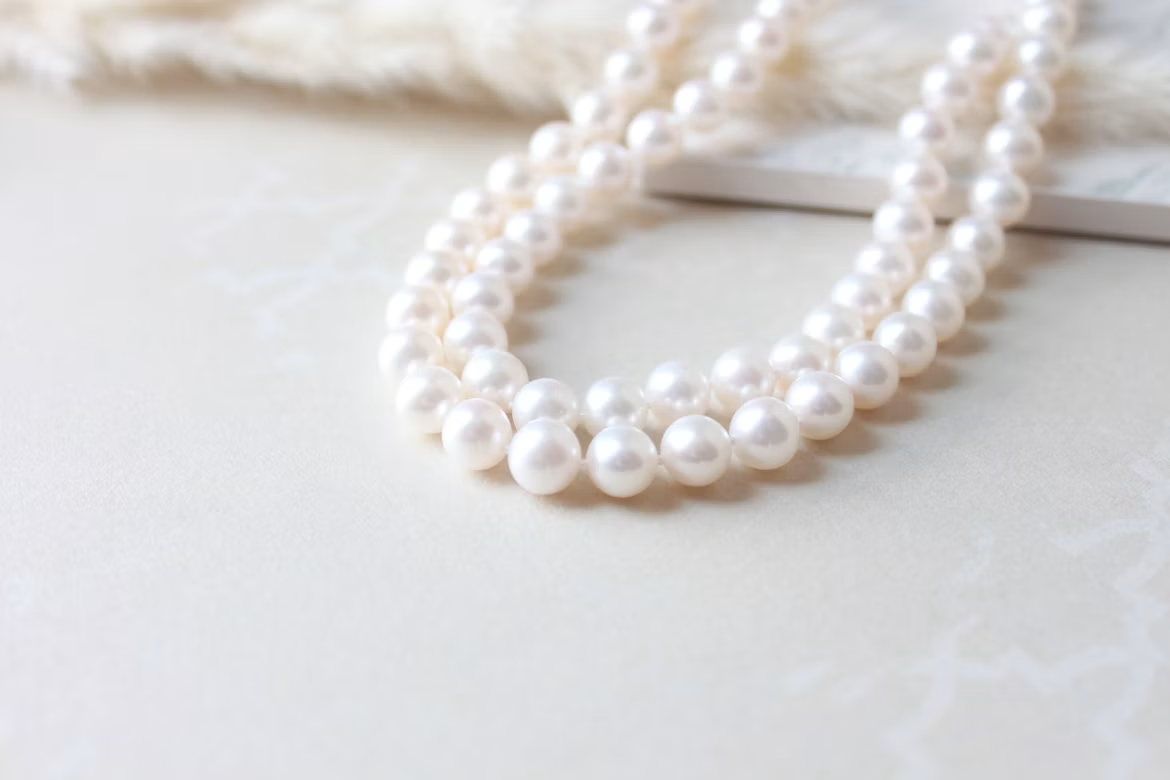
Pearl Bracelets in Modern Fashion
Pearl bracelets continue to work well with a variety of clothing styles. A simple bracelet can add a subtle detail to casual clothing, while a larger or more elaborate design can complement formal attire.
Modern jewellery collections often incorporate pearls into minimalist and contemporary designs. Combining pearls with different metals, gemstones and bracelet structures allows the material to take on a range of appearances. This flexibility makes pearl bracelets suitable for different age groups and personal styles.
Their presence in fashion collections and formal styling also demonstrates their continued relevance. Rather than being limited to traditional jewellery, pearls can be adapted to suit changing preferences and contemporary trends.
Care and Maintenance
Proper care is important for maintaining the condition and lustre of pearl bracelets. Pearls are organic gems and can be affected by chemicals, excessive heat and moisture. For this reason, they should be handled carefully and kept away from substances such as perfume, hairspray and household cleaning products.
After wearing a bracelet, the pearls can be gently wiped with a soft cloth to remove oils, cosmetics and other residues. They should also be stored separately from harder jewellery to reduce the risk of scratches.
Professional cleaning and restringing may be appropriate when a bracelet shows signs of wear. Regular maintenance can help keep the pearls secure and preserve the bracelet's overall condition.
Choosing a Pearl Bracelet
The choice of pearl bracelet depends on factors such as personal style, occasion and preferred pearl variety. Classic white Akoya pearls may suit those seeking a traditional appearance, while Tahitian or South Sea pearls can provide a more distinctive look.
The bracelet's setting and construction are also important considerations. A simple design can offer versatility for frequent wear, while a detailed piece may be more suitable for formal occasions.
Pearl bracelets remain a practical jewellery option because they combine natural characteristics with adaptable designs. With a wide selection of pearl varieties and contemporary styles available, they can suit different preferences while providing an elegant finishing touch to a range of outfits. Proper care further ensures that the bracelet remains in good condition and can continue to be worn for years.