
A sealant bead that looks perfect on the day can be peeling by the time the paint has cured. The usual explanation is "bad sealant", but a more common cause is a mismatch between the product and the surface it was asked to grip. Glossy and non-porous substrates, such as aluminium, UPVC, vinyl, glazed finishes and coated metal, are where that mismatch shows up first.
Table of Contents
Why Gloss Is a Problem
Most sealants grip by wetting a surface and bonding to it, partly mechanically and partly chemically. A porous surface such as plaster or concrete gives the sealant something to key into. A smooth, glossy surface gives it very little, and any film of dust, oil or release agent from manufacturing makes it worse. The result is a joint that holds in the first week and lets go along one edge as soon as it sees movement.
What the Manufacturer Says This One Is Built For
First Sealant describes its A-700 Special as a high-grade acrylic sealant containing a special grade of silicone, with anti-fungal properties, good adhesion to glossy surfaces, and the ability to be painted over. Its listed uses include aluminium window-to-concrete joints, air-conditioning duct work, timber and furniture joints, and UPVC, vinyl and metal substrates. The product page also states a working temperature range of roughly -25 °C to 85 °C, UV resistance for indoor and outdoor use, and a 24-month shelf life.
The page further lists TUV, PSB, ASTM C920 and low-VOC compliance. As with any such claim, the sensible step is to ask the supplier for the certificates behind it.
Painting Over a Sealant: Timing and Compatibility
Paintable does not mean "paint immediately". An acrylic sealant needs time to skin and cure before it takes a coating, and some paints bond poorly or craze on certain sealants. The reliable approach is a small test patch: apply sealant, wait the recommended time, apply the actual paint system and check adhesion and appearance after it has cured.
It also helps to remember that sealants move and paint films are rigid. In a joint that opens and closes with temperature, a thick paint layer can crack along the bead even when the sealant underneath is fine. Keep paint on the sealant thin and flexible, and pick joint widths that the sealant can handle.
Surface Preparation Is Most of the Job
For glossy substrates in particular, preparation matters more than the product’s headline claims. Clean and degrease the surfaces, remove dust and loose coatings, and make sure the joint is dry. Where the surface is very smooth, check with the supplier whether a light abrasion or a primer is recommended; for acrylic sealants it is usually a question to ask rather than assume.
Application Errors That Look Like Product Failures
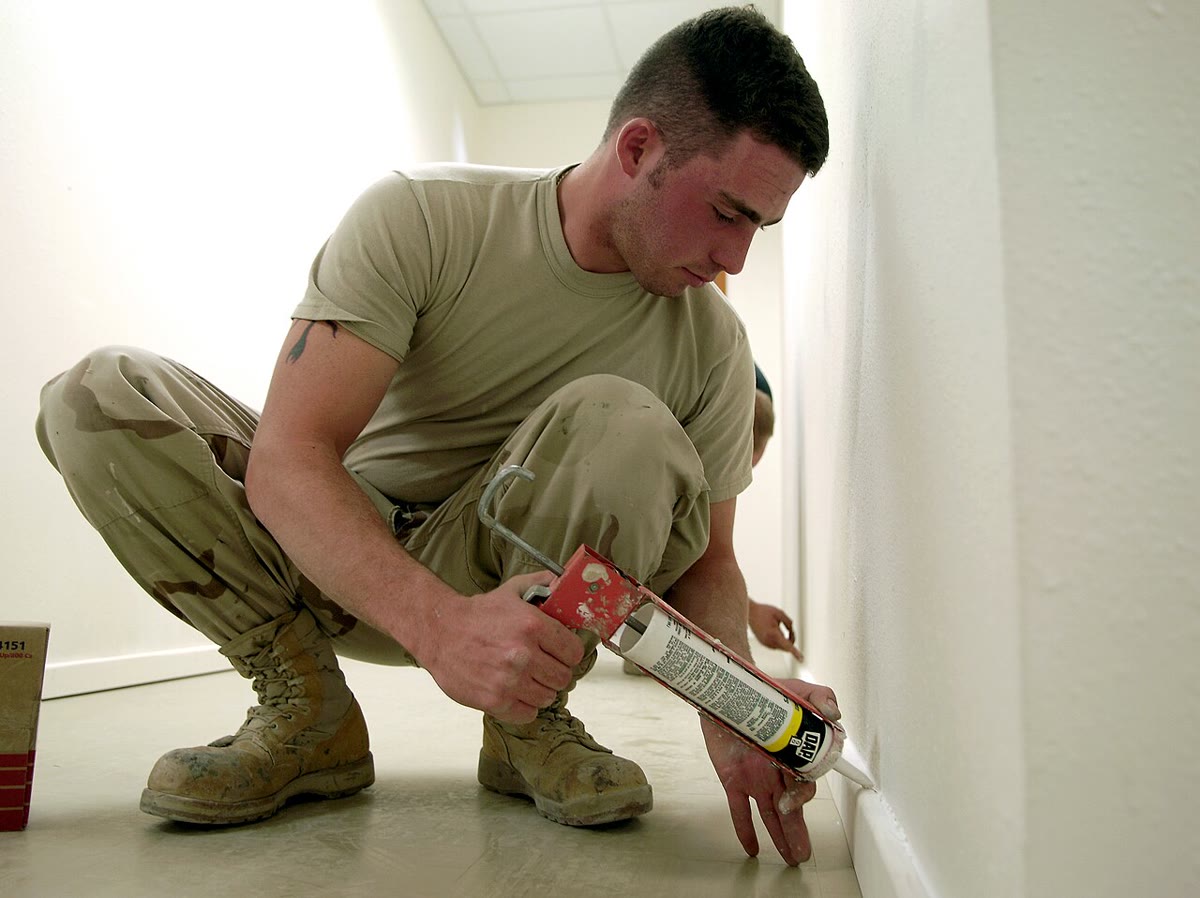
Many adhesion complaints on gloss trace back to the bead rather than the tube. A bead laid on top of the joint instead of pressed into it touches each side along a thin line and peels easily. Tooling too late, after the skin has formed, drags the surface and leaves a weak edge. Masking tape left on until the sealant has skinned can lift the edge of the bead when it is pulled. Mask, apply, tool and remove the tape in one continuous sequence, joint by joint.
A Short Specification Check
Before choosing a paintable sealant for a gloss surface, list every substrate in the joint, confirm each against the manufacturer’s stated uses, do a test patch with the actual paint system, and confirm the joint’s expected movement against what an acrylic can tolerate. If the joint will see significant movement or constant water exposure, ask whether another chemistry is more suitable.
Practical Takeaways
- Glossy, non-porous surfaces give a sealant little to grip, so adhesion failures show up there first
- Check each substrate against the manufacturer’s stated uses before specifying
- Paintable does not mean immediately paintable; allow cure time and test the real paint system
- Press the bead into the joint and tool it before the skin forms
- Ask for the certificates behind any standard or compliance claim
Where to Start
For interior and exterior joints between aluminium, UPVC, metal and painted surfaces, a paintable acrylic sealant that is listed for glossy substrates is a better starting point than a general-purpose tube. First Sealant Technology’s A-700 Special is its product in that category.
For advice on substrates, primers and paint systems for a specific job, their team can be reached at 096-818-9168, 097-959-5111, or 097-959-1222, Monday through Saturday, 08:30-17:30.
Technical specifications referenced above are drawn from the manufacturer’s published product information. Confirm suitability for your application directly with the supplier.
