
Eleven minutes. That is roughly how long a full bikini session takes once you get to the maintenance phase, and it is the number that finally convinced me to stop buying razors by the twelve pack. Winter in central Wisconsin is a weirdly good time to start. Nobody sees your legs for four months, which means you can do the awkward grow out phase in sweatpants instead of at a lake in July. If you have been circling the idea for a year or two, here is what actually matters before you book.
Table of Contents
What the treatment actually does
A laser fires a concentrated beam of light that your hair pigment absorbs. That energy converts to heat inside the follicle, and the follicle stops producing hair. The key word is follicle, not skin, and not surface hair. You are not shaving closer. You are shutting down the little factory underneath.
That is also why it takes a series rather than a single visit. Hair grows in cycles, and only follicles in the active growth phase respond. The rest are dormant, waiting their turn. So you come back in roughly four to six week intervals and catch a new batch each time. Most people need somewhere in the range of six to eight sessions, then a touch up once or twice a year to hold the line.
Pigment matters more than people expect. Light skin with dark hair responds fastest because the contrast between follicle and surrounding tissue is easy for the laser to read. Darker skin tones need a different wavelength and a careful hand, because the laser can read skin pigment instead of hair pigment if the settings are wrong. That is not a reason to skip it. It is a reason to ask what device a clinic uses and whether the person running it has worked with your skin tone before.
Why so many people quit halfway
The first three sessions feel great. Hair sheds, patches go smooth, and you start telling your sister about it. Then somewhere around session four the results look stalled and the budget gets tight, so you skip a month. That pattern is the single biggest reason people end up disappointed.
Partial treatment does not give you less hair everywhere. It gives you weird uneven hair. Sparse growth is harder to manage than the original problem because you cannot shave it down to the skin without irritation, and you cannot leave it alone either. Finish the plan or do not start it.
Cost is real, so ask about payment plans up front instead of assuming you will figure it out later. Most clinics in smaller markets like ours split the total across several months.
How to pick a clinic in the Wausau area
Anybody can buy a laser. Not everybody should be pointing one at your face. Here is the vetting list I would run through before handing over a card
- Who is supervising? Physician owned matters. It means a medical professional set the protocols and is available when something looks unusual.
- What device, and when was it made? Older machines work, but newer ones handle more skin tones with fewer passes.
- Will they do a patch test? A small test spot a day or two before your first full session is standard. If they wave it off, walk.
- What is the cancellation policy? Rescheduling happens. You want to know the rules before you need them.
- Can you see the room? Clean, private suites and a treatment bed that actually looks sanitized are not a high bar. Insist on it anyway.
Ask about the menu while you are there, because a lot of people treat this as a standalone purchase when it usually is not. Plenty of clients pair it with skin work on the same visit to save a trip. A clinic that offers Laser Hair Removal in Wausau, WI, alongside skin resurfacing, IV therapy, and recovery services usually means fewer drives and one consistent team tracking your results.
I would personally choose a clinic with a broad treatment menu over a strip mall laser bar every single time, and honestly it is not close. Same price range in this market, wildly different oversight.
What a session feels like, hour by hour
You shave the area the night before. Not the morning of, because a fresh shave can leave the skin angry and sensitive. You show up with no lotion, no deodorant, no perfume on the treatment zone.
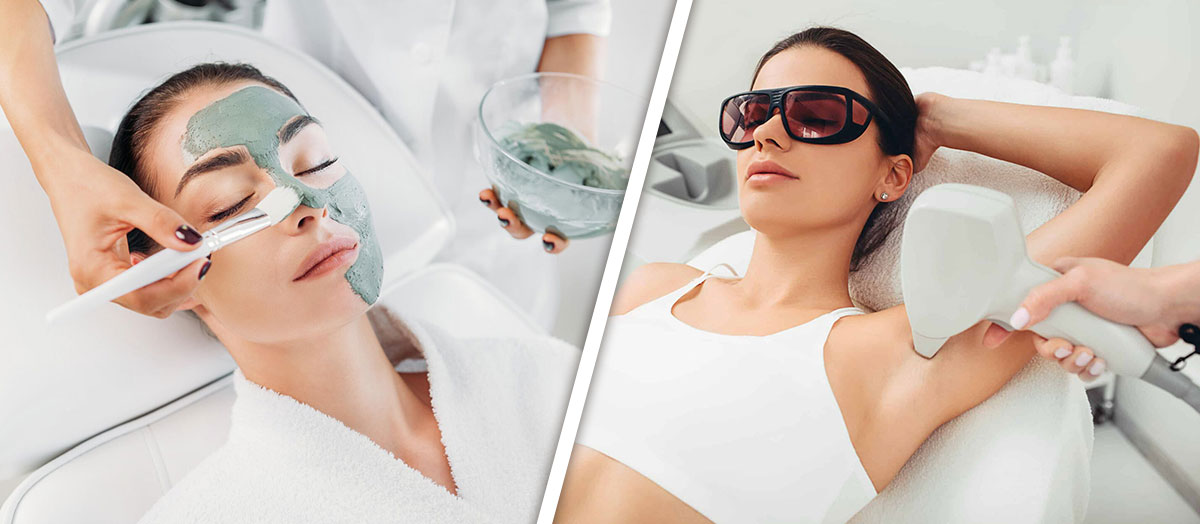
They hand you goggles, mark out the area, and start. The sensation is best described as a rubber band snapping against the skin, fast. Underarms and ankles sting more than thighs. Most people rate it a three or four out of ten and stop noticing it after the first minute.
Then it is over. Cool gel, maybe a mild hydrocortisone cream, and you are back in the car in under half an hour. That night the follicles look a little swollen, like goosebumps. That is the follicle reacting, and it fades within a day or two. Avoid hot tubs, saunas, and heavy workouts for 24 hours.
Sun protection is not optional afterward. According to the CDC, ultraviolet exposure damages skin regardless of season, and fresh laser-treated skin is more vulnerable than usual. Wisconsin winter sunlight off snow is stronger than people give it credit for. Sunscreen on exposed treated areas, every time.
Results, timelines, and the honest expectations
A few weeks after each session, hairs shed on their own. You will notice bare patches showing up in odd shapes. By session three or four most people see a real difference. By the end of a full series, the typical outcome is a significant permanent reduction, not total elimination. Fine, light, or hormonal hair often survives in smaller numbers.
One thing nobody mentions: hormones drive regrowth. Pregnancy, menopause, thyroid changes, and some medications can wake dormant follicles back up. If that happens, you are not back at square one. You just need a touch up.
Hydration and general skin health seem to help recovery go smoother, though the honest answer is that results mostly come down to consistency and operator skill. Sleep well, drink water, show up. That is the whole formula.
The three things I would tell a friend
Start in cold weather so the grow out phase stays covered up. Pick a clinic with medical oversight and a machine that matches your skin tone. Finish the series even when session four feels pointless.
Employment in personal care and skin services has grown steadily for years, according to Bureau of Labor Statistics data, which means more options and more need for you to vet who is holding the device. Ask questions. A good provider will enjoy answering them, and a bad one will get defensive. That reaction tells you everything.
Set your consultation for a morning slot if you can. You will be more patient, you will ask better questions, and you will not feel rushed into signing anything the same day. If you have read this far, you are already the kind of client who does the homework. For context on how the technology developed, the National Institutes of Health maintains public research archives worth a look.
Ready to book?
You do not need to commit to a full package on day one. Book a consultation, ask the five questions above, do a patch test, and let the first session tell you how your skin responds. If the provider listens more than they talk, you have found the right room. If you are anywhere near central Wisconsin, start local and keep it simple, because driving two hours each way for a fifteen minute appointment gets old fast. Call and ask what a starter session costs before you commit to anything bigger.