
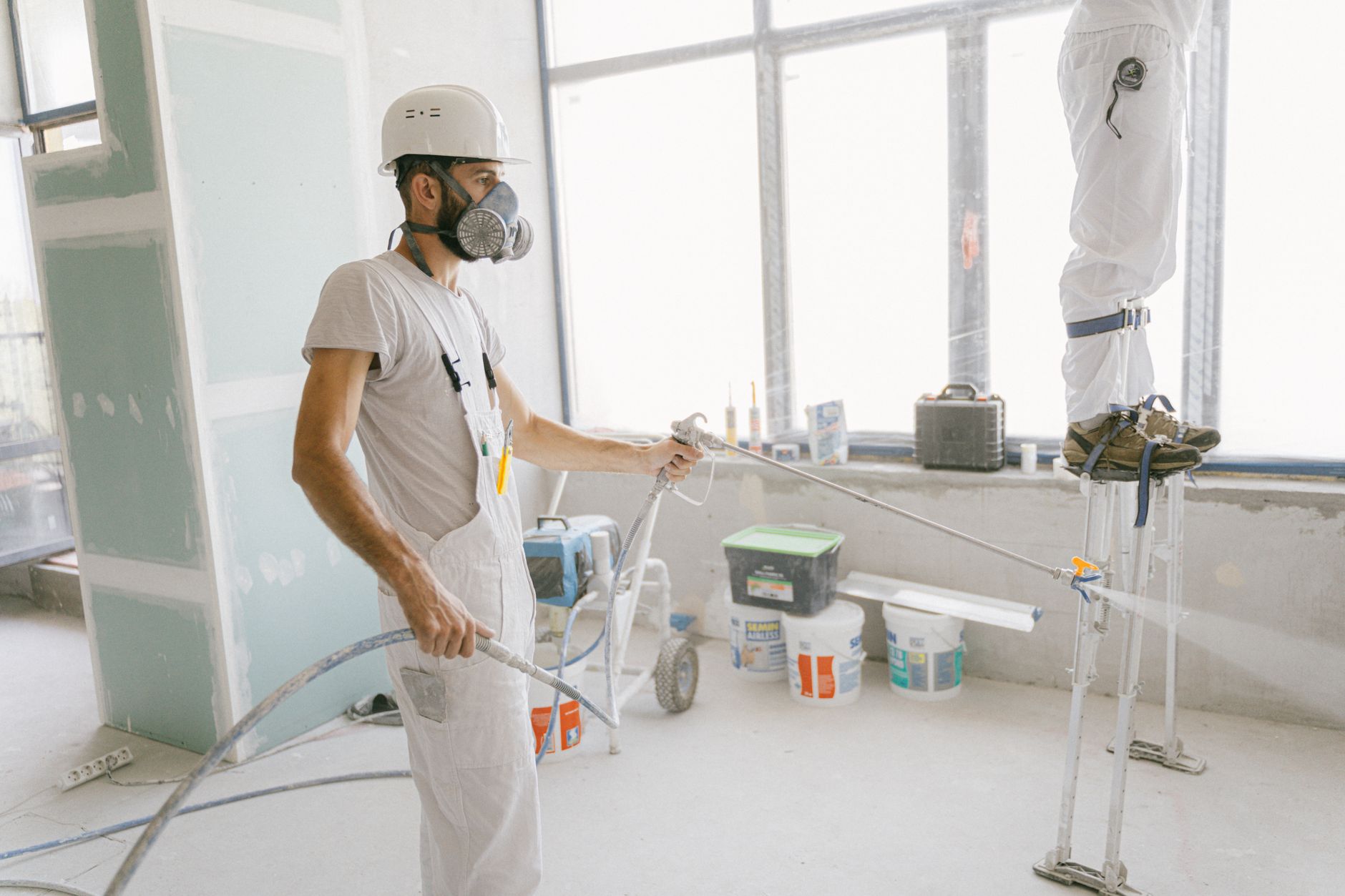
Painting seems like the low-stakes home improvement project, right up until you're standing in front of a wall with uneven coverage, visible brush strokes, and a bill that somehow still feels too high. So how do you actually separate a solid contractor from one you'll regret hiring?
Key Takeaways
- Prep work matters more to the final result than most homeowners realize
- Recent, local references beat a polished photo gallery every time
- A detailed written quote protects you far more than a verbal estimate
- Product and brand transparency is a good sign, vague answers are a red flag
- Insurance and licensing questions should never feel awkward to ask
Prep Work Is Where Paint Jobs Succeed or Fail
A quote that just says "painting" without breaking out prep, scraping, sanding, priming, caulking, is missing the part that actually determines how the finished job looks and how long it lasts. Contractors who rush past this question, or lump everything into one vague line item, are worth a second look before you sign anything.
Ask to See Recent Work, Not Just a Portfolio
Portfolio photos are curated by definition, so they're not going to tell you much. What actually helps is a couple of recent addresses you can drive by yourself and see how the paint job has held up over time, not just how it looked the day it was finished.
Get Everything in Writing
Verbal estimates have a habit of shifting once work is underway. A proper quote should spell out total cost, payment schedule, timeline, and what happens if weather delays exterior work. If someone hesitates to put terms on paper, take that hesitation seriously.
Ask About Specific Products, Not Just "Quality Paint"
A reputable contractor should be able to name the specific paint line they're proposing and explain why it fits your surface and exposure conditions. Vague answers about "premium paint" without specifics are usually a sign they're not paying close attention to the details that actually matter.
Insurance Questions Aren't Awkward, They're Necessary
Ask directly for proof of liability insurance. This protects you if anything goes wrong during the project, and any legitimate contractor should answer without hesitation. If you get pushback on this question, treat that as useful information.
How Many Crews Are Actually Working Your Job?
Larger companies sometimes run multiple crews across multiple jobs simultaneously, which can mean less consistent oversight. Ask who's actually showing up day to day and whether the same crew sees your project through to the finish line.
Comparing Quotes the Smart Way
The cheapest quote isn't automatically the best value once prep quality, product line, and crew experience get factored in. Homeowners working with trusted Toronto painters tend to get the most useful comparison by requesting itemized quotes and comparing scope line by line, not just totals.
What Happens When Prep Gets Skipped
Ever seen a paint job that looked great for the first few months and then started peeling, bubbling, or showing brush marks through the finish? That's almost always a prep problem, not a paint problem. Skipping proper sanding or priming is like building a house on a shaky foundation, everything on top of it eventually shows the cracks.
Timeline Expectations Worth Setting Upfront
Ask how long the project will realistically take, including drying time between coats, and get that timeline in writing alongside everything else. Contractors who give vague answers here, "a few days, give or take," tend to be the same ones whose projects run long without much explanation.
Trust the Process, Not Just the Price
A bit of extra time vetting a contractor upfront saves you a lot more time and frustration than dealing with a rushed or poorly executed paint job months down the road. Ask the right questions, and the right contractor tends to reveal themselves pretty quickly.