
A new central air conditioner should give steady temperatures, manageable energy bills, and quiet operation during Lemon Hill’s long cooling season. Whether you are replacing an older split system or adding AC to a home that relied on window units, the installation details matter as much as the equipment brand. Good workmanship shows up in calculations, ductwork, refrigerant practices, and final commissioning. Poor choices show up later as hot rooms, short-cycling, musty odors, or tripped breakers. Here is a practical way to evaluate the work you are paying for, using specific markers you can ask about and see, so your system performs as expected the first summer and the next.
Table of Contents
- Right‑sized equipment starts with a real load calculation.
- Ductwork and airflow: the hidden highway that carries comfort
- Refrigerant piping, evacuation, and charging separate good from great
- Placement, drainage, and power details that protect the equipment
- Commissioning and handoff: proof before the installer leaves
- Real‑world trade‑offs to discuss before finalizing the setup
- Maintenance markers that keep performance on track
Right‑sized equipment starts with a real load calculation.
Ask whether a Manual J load calculation was performed for your home, not just a””square‑foot” estimate. Manual J considers window orientation, attic insulation levels, duct leakage, infiltration, and internal heat gains from cooking and electronics. In Lemon Hill’s hot afternoons, an oversized unit may deliver cold blasts followed by long off‑periods, creating room‑to‑room swings and short-cycling that wears on the compressor. Undersized equipment struggles on 100‑degree days, runs continuously, and may never hit the setpoint. A written load report, even if summarized, is your best protection against guesswork.
If you are gathering quotes for air conditioning installation services in Lemon Hill, compare how each contractor explains sizing. You should hear specifics like sensible vs. latent load, window SHGC, and duct location rather than a quick “one ton per 500 square feet.” Two similar‑tonnage recommendations can differ in blower size, coil selection, and airflow setup. Those decisions affect static pressure, noise at supply registers, and actual cooling capacity on peak days.
Ductwork and airflow: the hidden highway that carries comfort
Even the best condenser and coil cannot fix undersized or leaky ducts. Quality installations use Manual D to size trunks and branches, then verify total external static pressure at the air handler. Look for sealed joints with mastic (not just tape), properly supported flex duct with no kinks, and smooth-radius elbows where the main trunk turns. A common failure point is a starved return: a single undersized return grille in a hallway forces the blower to pull air through bedroom door undercuts, raising static, whistling at grilles, and reducing delivered CFM per ton.
Scenario: a 1970s ranch with a long central hallway and bedrooms at both ends. Adding a second return near the far bedrooms, upsizing the filter rack to a 1-inch-to-4-inch media cabinet, and sealing connections with mastic often lowers static pressure from “red zone” readings to manufacturer targets. The result is quieter operation and cooler bedrooms at the end of the run. Another scenario: a tight attic with pinched flex runs over a beam. Swapping those sections for rigid metal with proper takeoffs can restore airflow that a new condenser alone could never provide.
Refrigerant piping, evacuation, and charging separate good from great
Quality work shows in the line set and charging procedure. The suction and liquid lines should be correctly sized for run length, insulated on the suction side, and brazed with a nitrogen purge to prevent oxide scale inside the tubing. Install a filter-drier on the liquid line to capture moisture and debris. Before opening the refrigerant, evacuate the system to a deep vacuum measured in microns, then hold it to prove tightness. Verify charging with superheat and subcooling readings matched to the outdoor temperature and manufacturer tables, not just “it feels cold.” Skipping these steps can leave non‑condensables in the system, raise head pressure, and shorten compressor life.
Placement, drainage, and power details that protect the equipment
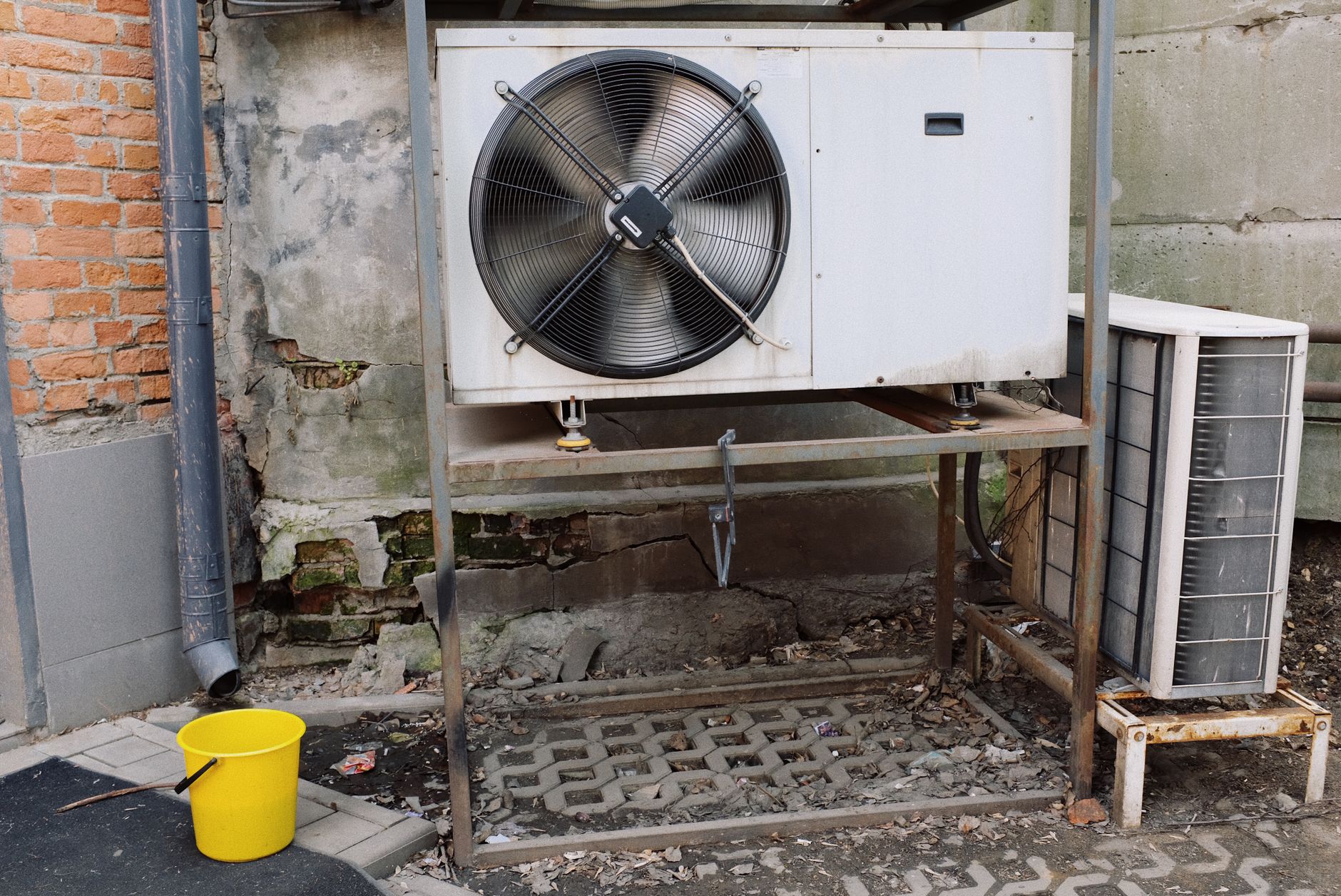
Outdoor units need clearance on all sides and above for condenser airflow. Placing a condensing unit in a narrow side yard can recirculate hot discharge air and degrade efficiency; moving it a few feet or adding a louvered barrier to redirect exhaust can help. A level pad prevents oil from migrating into the compressor. Consider shade that does not block airflow: light fencing or a canopy tree with trimmed branches can lower surrounding temperatures without dropping leaves directly into the coil. Indoors, the condensate drain must slope continuously to its termination, include a cleanout, and, if the air handler is in the attic, a float switch to shut the system off if the primary drain clogs. Water staining on the secondary pan is a warning sign that you missed something.
Electrical details are easy to overlook until they trip a breaker. The dedicated circuit, breaker size, and fused or non‑fused disconnect at the condenser must match the unit’s MCA and MOCP on the nameplate. Conduit runs should be secure and weather‑tight outdoors. Inside, a properly sized blower motor (PSC or ECM) set to the correct tap or programmed airflow target helps achieve the recommended 350–450 CFM per ton. A mismatch here shows up as low delta T across the coil, sweating ducts, or noisy returns.
Commissioning and handoff: proof before the installer leaves
At startup, a thorough technician records static pressure, supply and return temperatures, delivered airflow, superheat, and subcooling. Configure thermostat settings for single‑stage, two‑stage, or variable‑speed operation as installed, and adjust staging or ramp profiles to the home. You should receive basic documentation: model and serial numbers for condenser, coil, and air handler; filter size and recommended MERV; wiring diagram updates if anything changed; and a summary of measured readings. This handoff is more than paperwork. It sets the baseline for future service and helps prevent performance from drifting out of spec without anyone noticing.
Real‑world trade‑offs to discuss before finalizing the setup
Every house has constraints. A higher‑MERV filter can improve dust capture but raises static pressure; if return grilles are small or the blower is marginal, you may be better off with a thicker 4‑inch media cabinet at a moderate MERV, which increases surface area and lowers resistance. Similarly, a variable‑speed air handler can tame duct noise and improve part‑load comfort, but if the duct system is severely undersized, the motor will work harder to hit target airflow. Address duct bottlenecks first, then use advanced blower control. In tight backyards, placing the condenser farther from bedrooms may reduce night noise, but plan for a correctly sized line set and secure routing to avoid oil traps on long vertical rises.
Maintenance markers that keep performance on track
Even a perfect installation needs simple care. Replace or clean filters on the schedule that matches your home’s dust load, not just the calendar, and keep the return grille free of furniture and drapes. Rinse debris from the outdoor coil fins with a gentle stream of water, keeping at least 24 inches of clearance on all sides. Once a year, have a technician check static pressure, refrigerant charge, and the condensate drain. Catching a creeping charge issue or a rising static reading early is far cheaper than replacing a prematurely failed compressor or repairing ceiling damage from an overflow.
A quality AC installation isn’t guesswork, and you don’t need to be a technician to spot the hallmarks. Ask for a Manual J summary, look for sealed and properly supported ducts, expect a documented deep vacuum and verified charge, and confirm safe placement, drainage, and electrical details. A measured commissioning report closes the loop. These markers help any Lemon Hill homeowner get consistent cooling, controlled noise, and predictable utility bills, not just on day one but through many peak‑season afternoons to come.