
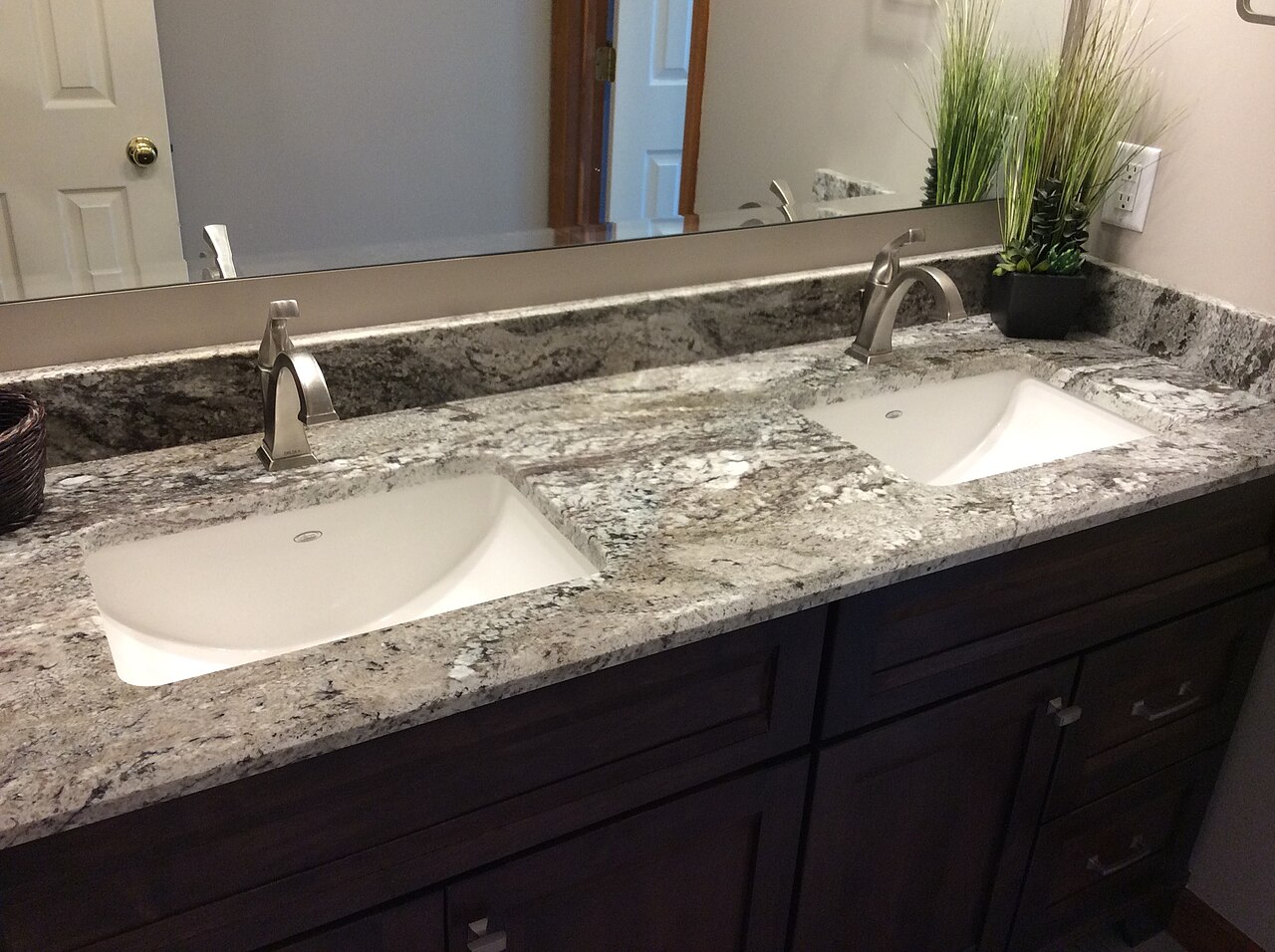
Most bathroom remodels don’t fail at tile selection. They fail at sequencing. I’ve watched friends pick a $14 per square foot marble slab before they ever confirmed where the drain sits, then tear it out three weeks later when the plumber moved the rough-in two feet to the left. The finish was fine. The order was wrong.
So here’s the deal: you’ll get the decision order that keeps a modern look from becoming a money pit, the layout moves that actually read as “modern” instead of “just remodeled,” and the mistakes that quietly kill resale value. If you’re weighing who does the work, a crew that handles modern bathroom remodel in Naperville projects will usually walk you through the rough-in constraints before anyone picks a faucet, and that conversation is worth having early rather than late.
One thing before we start: modern is a set of proportions and light decisions more than a color palette. Get those right and the finishes almost take care of themselves.
Table of Contents
What does “modern” actually mean in a bathroom?
Not farmhouse, not transitional, not the hotel look you saved on Pinterest at 11 p.m. Modern in a bathroom is a specific visual grammar. Fewer materials. Stronger horizontal lines. A shower that reads as part of the room rather than a boxed-off cell. If you’re standing in your current bathroom squinting, ask which of those three is missing. Usually it’s the third one.
I’d argue the single most modern move you can make is removing visual clutter at the sightline, meaning no shower curtain rod, no visible hinges, no medicine cabinet mirror framed in oak. A frameless glass panel costs more than a rod and curtain. It’s also the change guests notice within two seconds of walking in, which is the entire point of spending money on a room nobody sits in.
The Vanity Rule: how to size your layout before you shop
Here’s the framework I use and I haven’t seen it printed anywhere, so treat it as mine. **The Vanity Rule** says every fixture in a modern bathroom must earn its footprint three times over: once for standing room, once for a drying surface, and once for the door swing or walk path. Fail any one of the three and the room feels cramped no matter how pretty the tile is.
Walk it out with painter’s tape on the floor. A standard vanity eats roughly two feet of depth, and your code-minimum clearances around a toilet and in front of a shower aren’t suggestions. Those numbers come from model building codes that local inspectors enforce, and the Department of Housing and Urban Development publishes guidance on accepted residential standards if you want to see how clearances get set. Tape the vanity, tape the tub, tape the door arc. Then stand in the leftover space and see if you can dry off without touching a wall.
This is where freestanding tubs get people. They look incredible. They also need clearance on all four sides, which means a five foot alcove tub swap can turn into a full layout change. If your room is under about 40 square feet, I’d skip the freestanding tub entirely and put the money into the shower.
Lighting is the remodel nobody budgets for
Two vanities, one ceiling fixture, and zero task lighting is the most common modern-bathroom miss I see. You’ll shave in your own shadow. Plan three layers: ambient from a ceiling source, task at the mirror, and a low accent near the floor or behind a floating vanity if you want the room to feel bigger at night.
While the walls are open, that’s also your window for electrical and plumbing. Contractors call this the rough-in stage, and it’s the cheapest moment to move anything. After drywall goes up, every change costs multiples of what it would have cost a week earlier. The Small Business Administration has plain-language material on how construction contracts and change orders work, which is worth fifteen minutes before you sign anything, because change orders are where budgets quietly double.
5 modern moves that hold up over time
These are the ones I’d pick again, ranked by how much they change the room versus how much they cost.
- **Frameless glass shower.** Opens the sightline and makes a small room feel twice its size.
- **Large-format tile with tighter grout lines.** Fewer lines, cleaner read, less scrubbing.
- **A wall-hung or floating vanity.** Shows more floor, which reads as more space.
- **Warm metal finishes instead of chrome.** Brushed brass or matte black ages better than polished chrome against modern tile.
- **A linear drain.** Lets you slope the floor one direction and skip the center-drain dip.
Notice what isn’t on the list: vessel sinks, tv mirrors, and dramatic accent walls. All three photograph well and all three date fast. Skip them.
Ventilation, waterproofing, and the stuff you can’t see
A modern bathroom with a frameless shower needs more ventilation than the old one did, because the glass traps moisture in a tighter envelope. Run the fan on a timer, not a switch you forget. And insist on a bonded waterproofing membrane behind the tile in wet areas. This is the single least glamorous line item in the budget and the only one that can cost you a floor if it’s skipped.
Water efficiency is worth a look while the walls are open too. The Environmental Protection Agency runs a labeling program for water-saving fixtures, and swapping a toilet and showerhead in the same project costs little extra once the plumbing is already exposed. It’s a small win, but remodels are made of small wins stacked in the right order.
What to do this week
- Measure the room, then tape out the fixtures on the floor and live with the layout for three days.
- Decide your shower type first, since it drives plumbing, glass, and waterproofing.
- Set one non-negotiable splurge and one place you’ll go builder-grade. Write both down.
- Get rough-in constraints confirmed by whoever is doing the work before you buy a single finish.
- Build a 15 percent contingency line into the budget and pretend it doesn’t exist.
Do those five things and you’ll avoid the two failure modes that eat most bathroom budgets: buying finishes before the layout is locked, and discovering the plumbing needs to move after the tile order ships.
The bottom line
For more on a related topic, read A Practical Timeline for Bathroom Renovations in Mosman.
Modern is a discipline, not a trend. Get the proportions, light, and sequencing right and the room will still look current in a decade, which is more than most remodels manage. So here’s your question to sit with: if you had to keep exactly one thing in that room and replace everything else, what would it be? Answer that honestly and you’ve just found your budget priority. Then call a contractor before you call a tile showroom.
