
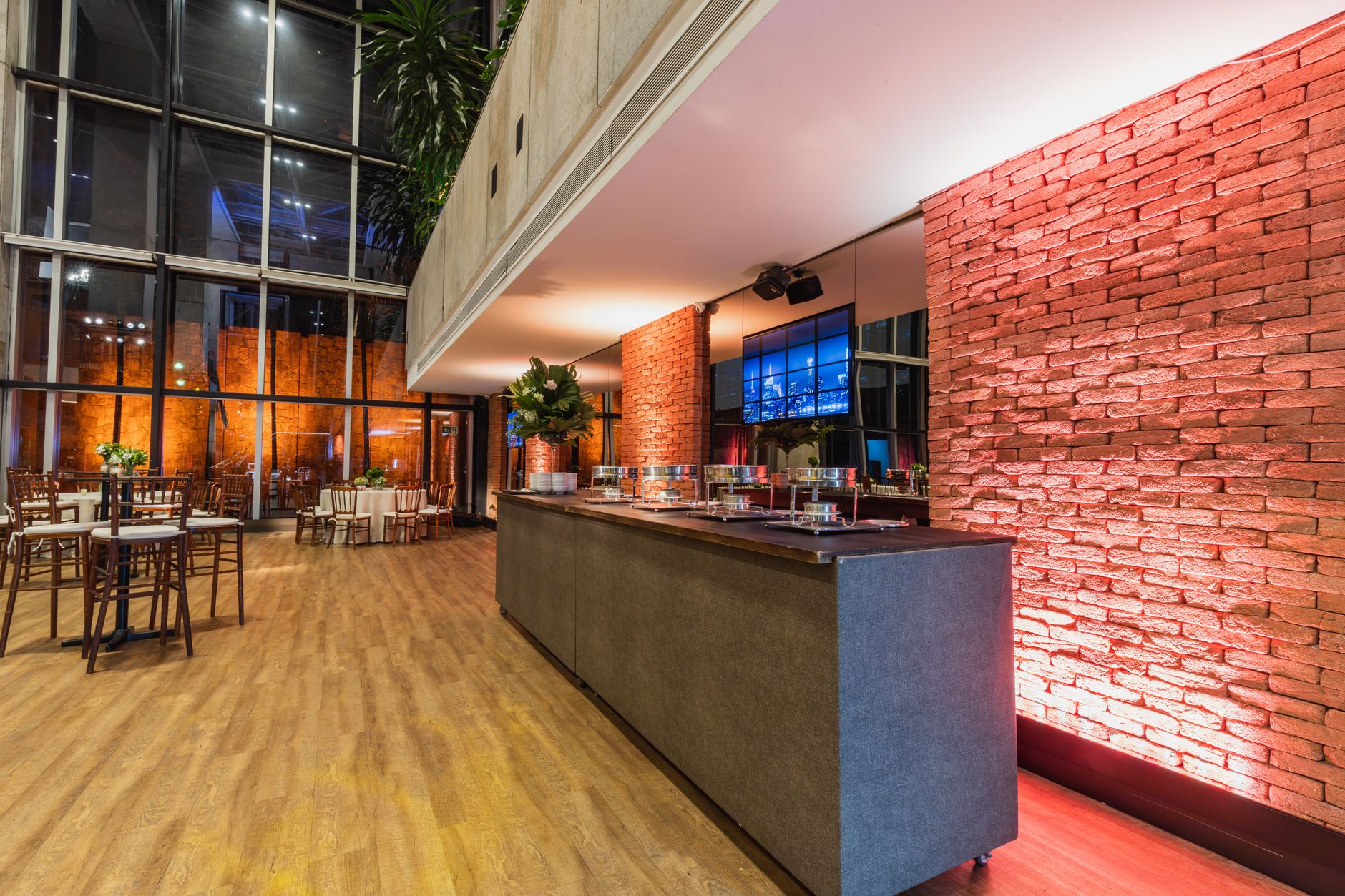
Event planning involves many details, from selecting a venue and arranging decorations to coordinating guests and managing equipment. One element that can significantly influence the overall experience is the floor beneath everyone's feet. The right flooring for events can improve safety, support different activities, and help create a cohesive setting that suits the occasion.
Whether organising a corporate conference, outdoor wedding, exhibition, festival, or private celebration, choosing an appropriate flooring solution requires careful consideration. Venue conditions, expected foot traffic, weather, accessibility, and the event's layout all influence which materials will work best.
Table of Contents
- 1. Consider The Type And Purpose Of The Event
- 2. Choose Materials That Suit The Venue
- 3. Prioritise Safety And Accessibility
- 4. Think About Durability And Foot Traffic
- 5. Match The Flooring To The Event's Design
- 6. Evaluate Installation And Removal Requirements
- 7. Account For Budget And Environmental Impact
- 8. Plan Ahead And Assess The Site
- Conclusion
1. Consider The Type And Purpose Of The Event
Different events place different demands on flooring. A formal dinner may require a smooth, attractive surface that complements the tables and decorations, while a sporting event or outdoor festival may need a more durable option that can withstand heavy use.
For exhibitions and trade shows, flooring can help define individual display areas and create clear walking routes. Concerts and performances may require surfaces suitable for staging, equipment, and large crowds.
Before selecting a material, consider how the space will be used throughout the event. Identifying the main activities helps narrow down the options and reduces the likelihood of choosing a floor that does not meet practical requirements.
2. Choose Materials That Suit The Venue
The venue plays an important role in determining the most suitable flooring.
Indoor Venues
Indoor spaces often have relatively controlled conditions, making it easier to use carpet tiles, vinyl flooring, temporary panels, or other modular surfaces. The choice depends on the existing floor, the expected audience, and the desired appearance.
Carpet can provide a comfortable feel and help create a more formal atmosphere. Hard flooring may be easier to clean and better suited to areas where food, drinks, or equipment are present.
Outdoor Venues
Outdoor events present additional challenges because the ground may be uneven, damp, soft, or exposed to changing weather conditions. Temporary flooring systems can create a more stable surface over grass, soil, or other outdoor terrain.
When planning an outdoor installation, consider drainage, ground protection, weather resistance, and the potential impact of vehicles or heavy equipment. The selected system should be appropriate for the site conditions rather than simply chosen for its appearance.
3. Prioritise Safety And Accessibility
Flooring should allow guests, staff, and suppliers to move around the venue comfortably. Uneven surfaces, loose edges, gaps, and slippery materials can create hazards, particularly in busy areas.
Look for flooring with suitable slip resistance and a stable installation. Transitions between different surfaces should be carefully managed, especially near entrances, walkways, and raised platforms.
Accessibility is equally important. Wheelchair users and people with mobility difficulties may encounter problems with steep ramps, abrupt level changes, or unstable surfaces. Accessible routes should be incorporated into the event layout from the beginning.
Depending on the venue and event type, additional considerations may include fire performance, load capacity, emergency exits, and relevant safety regulations.
4. Think About Durability And Foot Traffic
A floor that works well for a small gathering may not be suitable for a busy public event. The expected number of attendees, movement patterns, furniture, and equipment all affect how much wear the surface will experience.
High-traffic entrances, food service areas, registration desks, and exhibition aisles often need particularly durable materials. Heavy stages, display structures, and vehicles may require flooring systems with specific load-bearing capabilities.
It is also worth considering how long the floor will be installed. A one-day function may have different requirements from a week-long exhibition or a multi-day festival.
5. Match The Flooring To The Event's Design
Flooring can influence the visual character of an event just as much as lighting, furniture, and decorations. Colour, texture, finish, and layout can help establish a particular atmosphere.
For example, neutral flooring can complement a corporate event, while decorative finishes may suit weddings, product launches, or themed celebrations. Clearly defined flooring sections can also help separate dining areas, presentation spaces, and visitor pathways.
However, appearance should not come at the expense of practicality. A visually appealing surface still needs to perform well under the conditions in which it will be used.
6. Evaluate Installation And Removal Requirements
Temporary event flooring needs to be installed efficiently and removed without unnecessary disruption. This is particularly important when venues operate under tight schedules or have limited access for contractors.
Modular flooring systems can be useful because individual sections may be assembled, adjusted, and removed according to the site's requirements. Some options can also be reused for future events.
Before making a decision, confirm installation times, access requirements, preparation needs, and removal arrangements. It is also helpful to establish who will inspect the flooring before guests arrive and who will address any problems during the event.
7. Account For Budget And Environmental Impact
The cheapest option is not always the most cost-effective. The overall expense may include transport, ground preparation, installation, maintenance, removal, storage, and repairs.
Comparing the complete cost of different systems provides a clearer picture of their value. Reusable flooring may offer advantages for organisers who regularly manage events, while a simpler solution may be sufficient for a small, short-term gathering.
Environmental considerations also matter. Where practical, look for reusable materials, responsible waste management, and systems that minimise damage to the underlying venue or ground. The best option will depend on the product's lifespan, transport requirements, and end-of-life handling.
8. Plan Ahead And Assess The Site
A site inspection can help identify issues before installation begins. Ground conditions, measurements, slopes, drainage, access points, and the location of utilities may all affect the final flooring plan.
Discuss the event schedule and technical requirements with the venue team and flooring provider. Sharing information about expected attendance, furniture, equipment, and activities can help ensure that the chosen system is suitable.
Planning ahead also allows time to address unexpected conditions, arrange appropriate access routes, and coordinate flooring with other contractors.
Conclusion
Choosing the right flooring for events involves balancing appearance, safety, durability, accessibility, and cost. The most suitable solution depends on the venue, the activities taking place, the expected number of guests, and the practical demands of installation.
By assessing these factors early, event organisers can create a space that looks appropriate, supports the event's purpose, and allows people to move around more comfortably. Careful flooring decisions can help make the entire event safer, more organised, and better suited to its audience.