
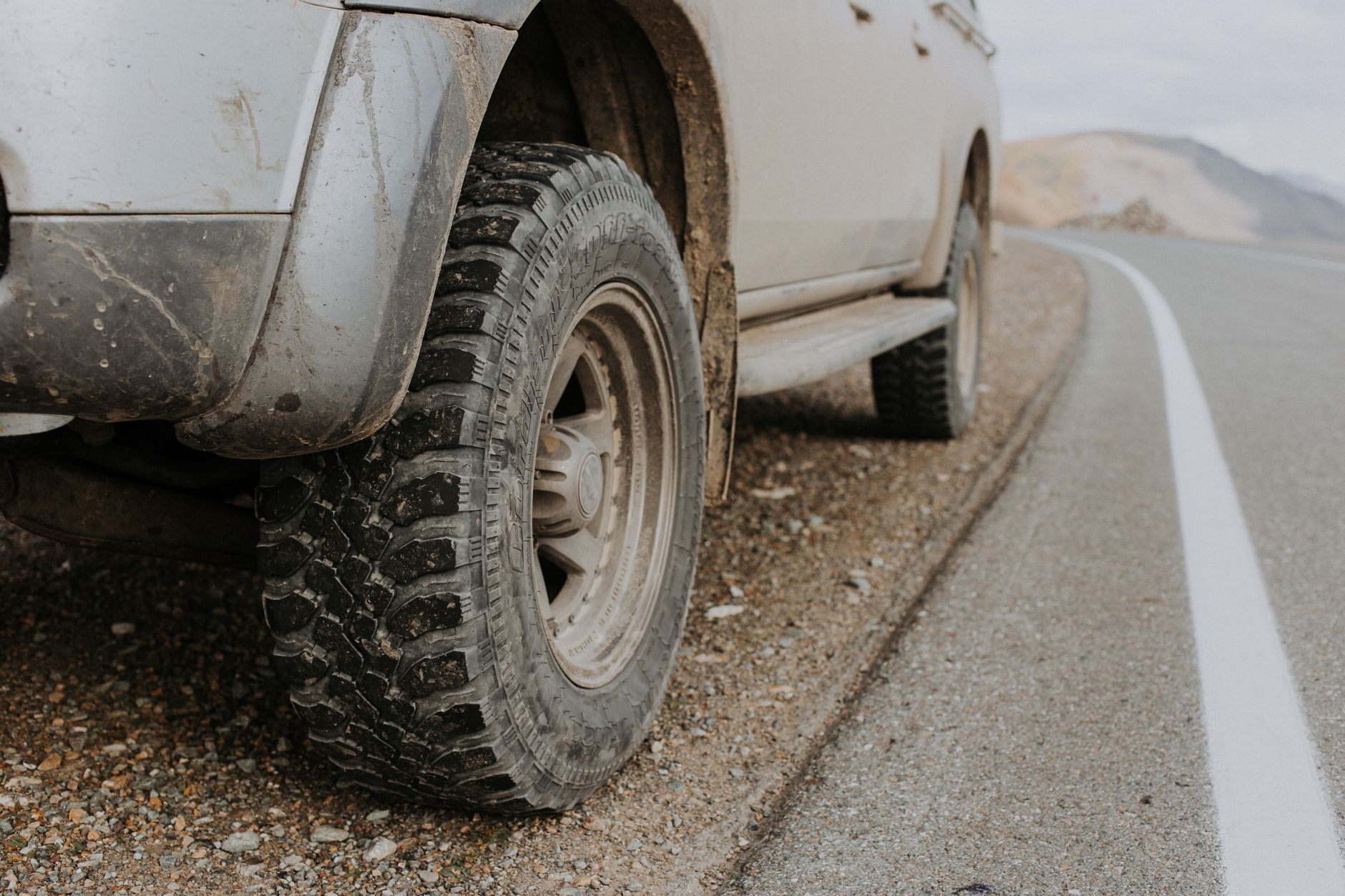
A capable four-wheel-drive system can direct power to the wheels, but the tires ultimately determine how effectively that power reaches the ground. Installing offroad tires designed for the vehicle’s terrain and driving style can improve traction, durability, and driver confidence beyond paved roads.
Compared with typical highway tires, off-road designs generally use deeper tread blocks, wider voids, stronger carcass construction, and more substantial sidewalls. These features help a truck or Jeep move across dirt, gravel, rocks, sand, and mud while resisting damage from demanding trail conditions.
Choosing the right design requires balancing off-road performance with everyday drivability. All-terrain tires often suit vehicles that divide their time between highways and trails, while mud-terrain tires prioritize traction in softer or more challenging environments. Tire size, load rating, tread compound, wheel compatibility, and proper inflation should all be considered before completing an upgrade.
Table of Contents
Traction Improvements That Boost Control on Loose or Uneven Ground
Loose surfaces behave differently from pavement. Gravel can shift beneath the tread, mud can fill narrow grooves, and soft sand may cause a heavy vehicle to sink. Off-road tread patterns are designed to interact with these surfaces rather than relying solely on the continuous contact patch favored by many street tires.
Large tread blocks create edges that can bite into loose ground. Wider spaces between those blocks allow the tire to engage with dirt, rocks, or mud instead of sliding across the surface. On mud-terrain tires, substantial tread voids can also help eject accumulated material as the tire rotates. This self-cleaning action allows the tread blocks to continue finding usable traction.
Shoulder lugs contribute to grip when a tire travels through ruts or across uneven ground. These outer tread features can engage the edges of a trail and provide additional traction when the center of the tire does not have a consistent surface beneath it. Some designs extend protective tread elements onto the sidewall to improve durability and grip in specific off-road situations.
All-terrain tires typically use a less aggressive pattern that balances trail traction with road comfort. Their closer tread spacing can help reduce highway noise while still providing useful biting edges on dirt, gravel, and moderate trails. Many drivers choose this style for daily-driven Jeeps and trucks that need dependable mixed-surface performance.
Mud-terrain tires usually feature deeper, more open patterns intended for mud, loose soil, and rocky trails. Their aggressive construction can increase road noise and may change handling on wet or paved roads, making it important to select a tire according to actual driving habits rather than appearance alone.
Traction also depends on maintaining consistent tire contact as the suspension moves. Properly matched fox shocks can help control suspension compression and rebound for a particular vehicle and application. Tires and shocks perform different jobs, but both contribute to how a vehicle responds to bumps, dips, and rapidly changing terrain.
Tire pressure has an equally important effect. Some off-road drivers reduce pressure to allow the tread to conform more closely to rocks or soft surfaces. This practice must be performed within safe limits and with equipment appropriate for the wheel, tire, load, and terrain. Tires should be reinflated to suitable road pressure before returning to normal driving.
Tire Designs That Enhance Stability During Steep Climbs and Descents
Steep terrain requires predictable grip during acceleration, steering, and braking. On a climb, the tires must transfer torque without excessive spinning. During a descent, they must maintain contact while the driver uses controlled braking and low-range gearing to manage speed.
An aggressive tread pattern can improve mechanical grip by creating multiple contact edges. Interlocking blocks may also help limit unwanted tread movement under load, contributing to more consistent steering and braking responses. The exact performance varies by tire design, surface conditions, inflation pressure, and vehicle weight.
Sidewall construction becomes especially important when trails contain sharp rocks, exposed roots, or deep ruts. Reinforced sidewalls and durable rubber compounds can help resist cuts, punctures, and impact damage. A stronger sidewall may also provide additional support when the vehicle’s weight shifts during an off-camber section or steep approach.
Tire diameter influences capability as well. Larger tires can increase ground clearance beneath the axles and help the vehicle roll over larger obstacles. However, they also add rotating mass and may affect braking, acceleration, steering response, and drivetrain load. Substantial size increases can require lift components, appropriate wheel offset, axle gearing changes, or upgraded steering parts.
Tire width should be selected according to the vehicle and typical terrain. A wider footprint may provide advantages in sand or soft ground, while other surfaces can favor a tire that reaches through loose material to firmer ground. There is no single width or tread pattern that performs best in every environment.
A complete trail build should protect more than its tires. Vehicle-specific off road bumpers can add front- or rear-end protection and may provide mounting provisions for recovery equipment. Any recovery points or winch mounts should be rated by the manufacturer and installed according to the supplied instructions.
Drivers should also verify that larger tires clear the fenders, bumpers, suspension, and steering components. Clearance must be checked at full steering lock and throughout suspension travel. A tire that appears to fit while parked may rub when the suspension compresses or the axle articulates.
Routine maintenance helps preserve off-road performance. Tire pressure should be checked before trips, and the tread and sidewalls should be inspected for cuts, punctures, exposed cords, or trapped debris. Regular rotation, balancing, and alignment can support even wear and consistent handling.
The right tires do not replace careful driving, responsible route selection, or appropriate recovery preparation. They do, however, form the connection between the vehicle and the terrain. By matching the tread design, construction, size, and load capacity to real driving conditions, Jeep and truck owners can create a more controlled and capable off-road setup.