
Many schools across the country were built decades ago, long before people understood how dangerous asbestos could be. The same classrooms, hallways, and boiler rooms that have served generations of students may still hold materials made with this mineral. For families and school workers, that raises fair questions about safety and long-term health.
Learning about asbestos exposure in school buildings helps parents, teachers, and staff understand where the risk comes from, who faces the most danger, and what rights they have if an illness develops years later. The good news is that asbestos does not always cause harm just by being present. The problem starts when it breaks down, gets damaged, or is disturbed during repairs.
Why Asbestos Ended Up in So Many Schools
Asbestos was once praised because it resisted heat, fire, and wear. Builders added it to many products from the 1920s through the late 1970s, and U.S. use of asbestos peaked in 1973. Since many public schools were built or expanded during those same years, a large share of them used asbestos products in construction.
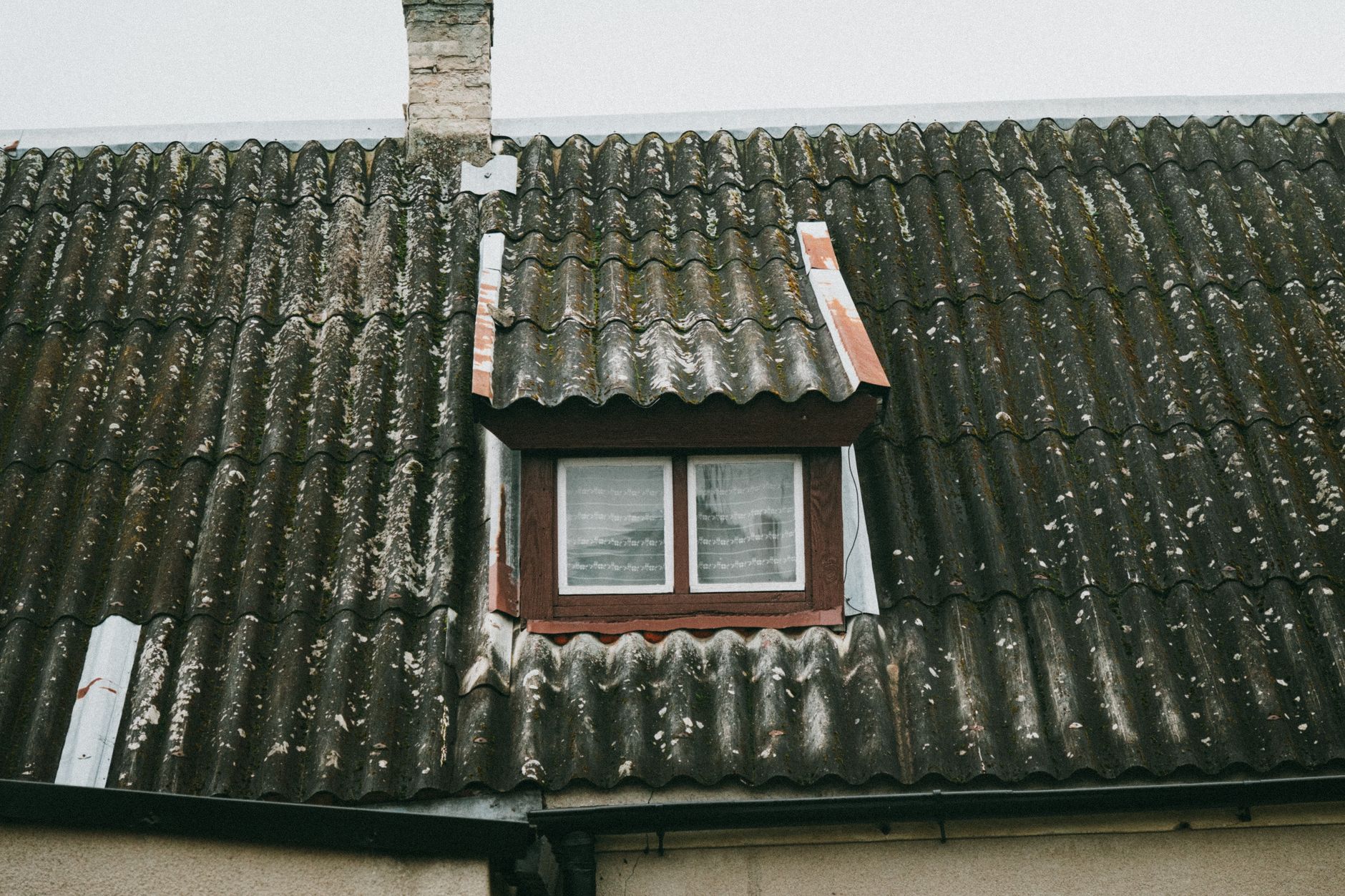
In an older school, asbestos may be found in ceiling tiles, sprayed acoustic plaster, vinyl floor tiles and the glue beneath them, pipe and boiler insulation, drywall joint compound, spray-on fireproofing, roofing, and even old chalkboards. As a general rule, a school built before the 1980s is likely to contain at least some asbestos, even if it has been remodeled since then.
How Students and Staff Can Be Exposed
Asbestos that is sealed and in good shape usually stays put. The danger comes from wear and tear. Over time, ceiling tiles crack, pipe wrap crumbles, and floor tiles chip under desks and foot traffic. When this happens, tiny fibers break loose and float in the air, where people breathe them in without noticing.
Repair and renovation projects raise the risk even more. Drilling, sanding, or tearing out old materials can release large amounts of fibers in a short time. If the work is not done by trained crews using proper containment, dust can spread into nearby classrooms through vents and open doors.
Who Faces the Greatest Risk
Custodians and maintenance workers often work directly with pipes, boilers, and ceilings, so they are more likely to disturb asbestos materials as part of their jobs. Teachers may spend 20 or 30 years in the same building, which adds up to a long stretch of possible exposure.
Children are a special concern because exposure early in life leaves more years for disease to develop. Teachers have also shown elevated risk. A 2007 report from the National Institute for Occupational Safety and Health (NIOSH) found that teachers died from mesothelioma at higher rates than expected, which has raised questions about conditions inside older schools.
Health Problems Linked to Asbestos
When asbestos fibers are inhaled, they can lodge in the lungs and the thin lining around them. The body has a hard time clearing them out, and over many years they can cause scarring and cell damage. There is no known safe level of exposure, and the main illnesses tied to asbestos are mesothelioma, lung cancer, and asbestosis.
Mesothelioma is a rare cancer that forms in the lining of the lungs, abdomen, or heart, while asbestosis is long-term scarring that makes breathing harder over time. These diseases often take 20 to 50 years to appear, so a former student or retired teacher may not get sick until long after leaving school. Warning signs include a cough that will not go away, chest pain, shortness of breath, and unexplained weight loss. Anyone with these symptoms should tell their doctor about time spent in older buildings.
The Rules Schools Must Follow
A federal law called the Asbestos Hazard Emergency Response Act, or AHERA, was passed in 1986 to protect students and school workers. Under this law, public school districts and nonprofit private schools, including charter and religious schools, must inspect their buildings for asbestos, reinspect known materials every three years, and keep a written asbestos management plan. Schools must also name a person in charge of following the rules and notify parents, teachers, and staff each year that the plan is available. The U.S. Environmental Protection Agency explains these duties on its page about asbestos and school buildings.
Parents and employees have the right to review the plan, which should show where asbestos is located, what condition it is in, and how the school is managing it. If the plan looks outdated or a room shows visible damage, it is fair to raise those concerns with the principal or district office.
Steps to Take If You Are Worried
Parents can start by asking the school for its management plan and the date of its last inspection. Teachers and staff should report damaged materials right away and avoid touching or sweeping up debris, since only licensed workers should handle asbestos. People who spent years in older schools should also keep a record of where and when they were there, because school names, job records, and dates can matter later and can help a doctor decide on earlier screening.
Legal Options After an Asbestos Diagnosis
A diagnosis of mesothelioma or asbestos-related lung cancer can bring heavy medical bills and big changes to family life. People harmed by asbestos may be able to seek compensation from the companies that made or sold the products used in the building. Many of those companies set up trust funds after going bankrupt, and those funds still pay claims today. Family members may also be able to file if a loved one has died from an asbestos illness.
Filing deadlines vary depending on the state, but in many states the clock starts on the date of diagnosis rather than the date of exposure. This matters because school exposure may have happened 30 or 40 years earlier. A lawyer who handles asbestos cases can explain which deadlines apply and what evidence is needed.
Frequently Asked Questions
Is asbestos in a school always dangerous? No. Asbestos that is intact and left alone usually poses little risk. The danger grows when materials are damaged, worn down, or disturbed during repairs.
How can I find out if my child's school has asbestos? Ask the school or district office for its asbestos management plan. Schools covered by AHERA are required to make it available to parents and staff.
Can a former student get sick from asbestos years later? It is possible, especially if the building had damaged materials or renovation work while they attended. Because these diseases can take decades to develop, symptoms may not show up until adulthood, so former students should mention their school history to a doctor if breathing problems appear.
Final Thoughts
Older school buildings still serve millions of students, and many of them manage asbestos safely. The real risk shows up in damaged ceilings, crumbling pipe wrap, and careless renovation work. A parent who asks to see the management plan, a teacher who reports a broken tile, and a former employee who shares their work history with a doctor are each taking a simple step that can catch a problem early.