
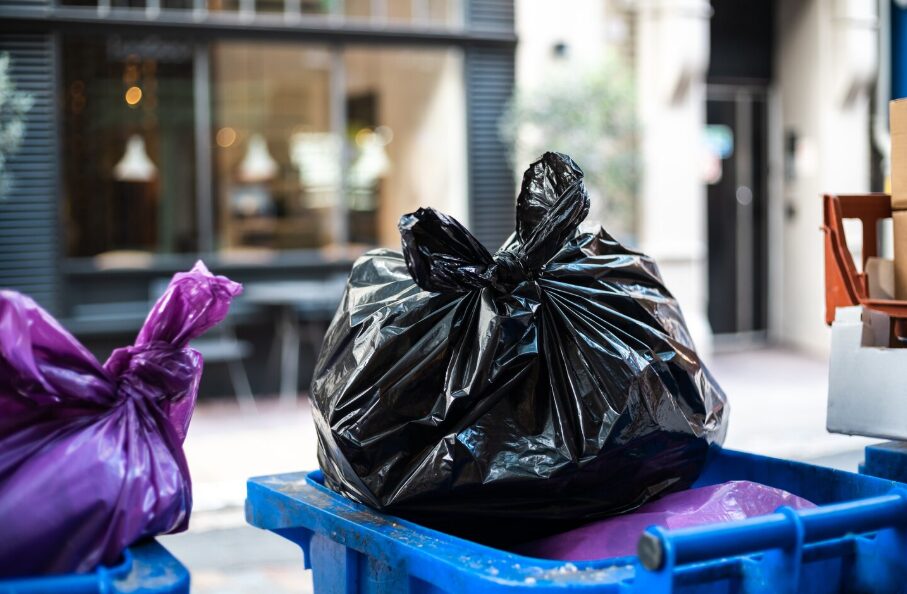
Every home and workplace eventually accumulates large items that are no longer needed. Old sofas, mattresses, wardrobes, dining tables, refrigerators, washing machines, office furniture, and other oversized belongings can take up valuable space and make a property feel cluttered. Professional disposal of bulky items provides a convenient and efficient way to remove unwanted furniture and appliances while helping keep homes and workplaces organised and free from unnecessary clutter.
Unlike everyday household rubbish, bulky items cannot simply be placed in standard waste bins for collection. Their size, weight, and material composition often require specialised disposal methods to ensure they are handled safely and responsibly.
Whether you are renovating a home, moving to a new property, replacing furniture, or simply creating more space, understanding the available disposal options can make the process much easier while helping reduce unnecessary environmental impact.
Table of Contents
- What Are Considered Bulky Items?
- Why Proper Disposal Is Important
- Consider Whether the Item Can Still Be Used
- Recycling Opportunities
- Hiring a Professional Bulky Item Disposal Service
- Preparing for Collection
- Disposal During Renovation or Moving House
- Environmental Responsibility
- Choosing the Right Disposal Service
- Creating a More Organised Living Space
- Conclusion
What Are Considered Bulky Items?
Bulky items generally refer to household or commercial objects that are too large or too heavy for regular rubbish collection.
Common examples include sofas, beds, mattresses, wardrobes, cabinets, bookshelves, dining tables, office desks, filing cabinets, refrigerators, washing machines, televisions, exercise equipment, carpets, and outdoor furniture.
Construction debris, renovation waste, and garden materials may also require specialised collection services depending on local regulations.
Identifying the type of item being disposed of is important because different materials often require different handling and recycling processes.
Why Proper Disposal Is Important
Improper disposal of bulky items can create safety hazards, damage the environment, and contribute to illegal dumping.
Large objects left in public areas may obstruct footpaths, create fire risks, or pose dangers to pedestrians and vehicles.
Many bulky items also contain materials that can be recycled or recovered rather than sent directly to landfill.
Wood, metal, certain plastics, glass, and electronic components often have value within recycling programmes when separated appropriately.
Responsible disposal helps conserve resources, reduces waste, and supports cleaner communities.
Consider Whether the Item Can Still Be Used
Before arranging disposal, it is worth considering whether the item still has useful life remaining.
Furniture and household appliances in good working condition may be suitable for donation to charities, community organisations, schools, or families in need.
Some items can also be sold through online marketplaces or local community groups.
Reusing products extends their lifespan while reducing unnecessary waste.
If an item can continue serving another household, donation or resale may provide both environmental and social benefits.
Recycling Opportunities
Many bulky items contain materials that can be recovered through recycling.
Metal furniture, appliances, electronic equipment, timber products, and certain plastic components are commonly processed through specialised recycling facilities.
Some items, such as refrigerators and air-conditioning units, contain refrigerants that require careful handling by trained professionals before recycling can take place.
Choosing disposal providers that prioritise recycling helps reduce landfill waste while supporting more sustainable resource management.
As recycling capabilities vary between locations, it is useful to understand which materials can be accepted before arranging collection.
Hiring a Professional Bulky Item Disposal Service
For many households and businesses, engaging a professional disposal company is the most convenient solution.
Professional teams have the equipment, vehicles, and experience required to remove large or heavy items safely.
They can often dismantle oversized furniture, transport bulky loads efficiently, and dispose of materials through appropriate waste management facilities.
Professional services are particularly valuable when handling multiple items, heavy appliances, office clearances, or properties with limited access, such as apartments or high-rise buildings.
Using experienced providers also reduces the risk of injury associated with lifting heavy objects.
Preparing for Collection
A little preparation before collection can help the removal process run more smoothly.
Property owners should identify which items are to be removed and ensure clear access routes are available.
Where possible, smaller items should be removed from inside cabinets or drawers before collection.
If furniture can be safely dismantled without damaging the property, doing so may make transportation easier.
For apartment buildings or commercial premises, it may also be helpful to confirm lift access, loading bay availability, or management requirements before the scheduled collection.
Planning helps minimise delays on collection day.
Disposal During Renovation or Moving House
Bulky item disposal is particularly common during home renovations and relocations.
Renovation projects often generate unwanted furniture, cabinetry, flooring materials, fixtures, and appliances that are no longer required.
Similarly, moving house provides an opportunity to declutter and avoid transporting unnecessary belongings to the new property.
Planning disposal before moving day reduces stress while creating additional space for packing and organising.
Many people find that removing unwanted items early also simplifies cleaning and property preparation.
Environmental Responsibility
As sustainability becomes increasingly important, many disposal companies now place greater emphasis on environmentally responsible practices.
Rather than sending everything directly to the landfill, many providers sort collected items according to material type and direct recyclable components to appropriate facilities.
Reusable furniture may be donated where possible, while recyclable metals, timber, plastics, and electronics are processed separately.
Choosing companies that support responsible waste management allows households and businesses to reduce their environmental footprint while disposing of unwanted belongings efficiently.
Choosing the Right Disposal Service
Not all disposal services offer the same level of expertise or environmental commitment.
When selecting a provider, it is helpful to consider their experience, collection capabilities, disposal methods, pricing transparency, and customer service.
Reliable companies explain what items they accept, provide clear quotations, and dispose of waste responsibly.
Reading customer reviews and asking questions about recycling practices can also provide confidence before booking a collection.
Working with an experienced provider helps ensure bulky items are removed safely, efficiently, and in accordance with local waste management requirements.

Creating a More Organised Living Space
Removing unwanted bulky items often provides immediate benefits beyond simply freeing up physical space.
A less cluttered environment can improve organisation, make cleaning easier, and create a more comfortable living or working atmosphere.
Whether clearing out a single room or completing a full property decluttering project, responsible disposal supports both practical and environmental goals.
By planning and choosing appropriate disposal methods, property owners can complete the process with minimal inconvenience.
Conclusion
Disposing of bulky items does not have to be complicated. Whether replacing furniture, renovating a property, relocating, or simply decluttering, understanding the available disposal options helps make the process more efficient and environmentally responsible.
By considering reuse, recycling, donation, and professional collection services, households and businesses can remove unwanted items safely while reducing waste. Careful planning and responsible disposal practices contribute to cleaner homes, more organised spaces, and a more sustainable community.