
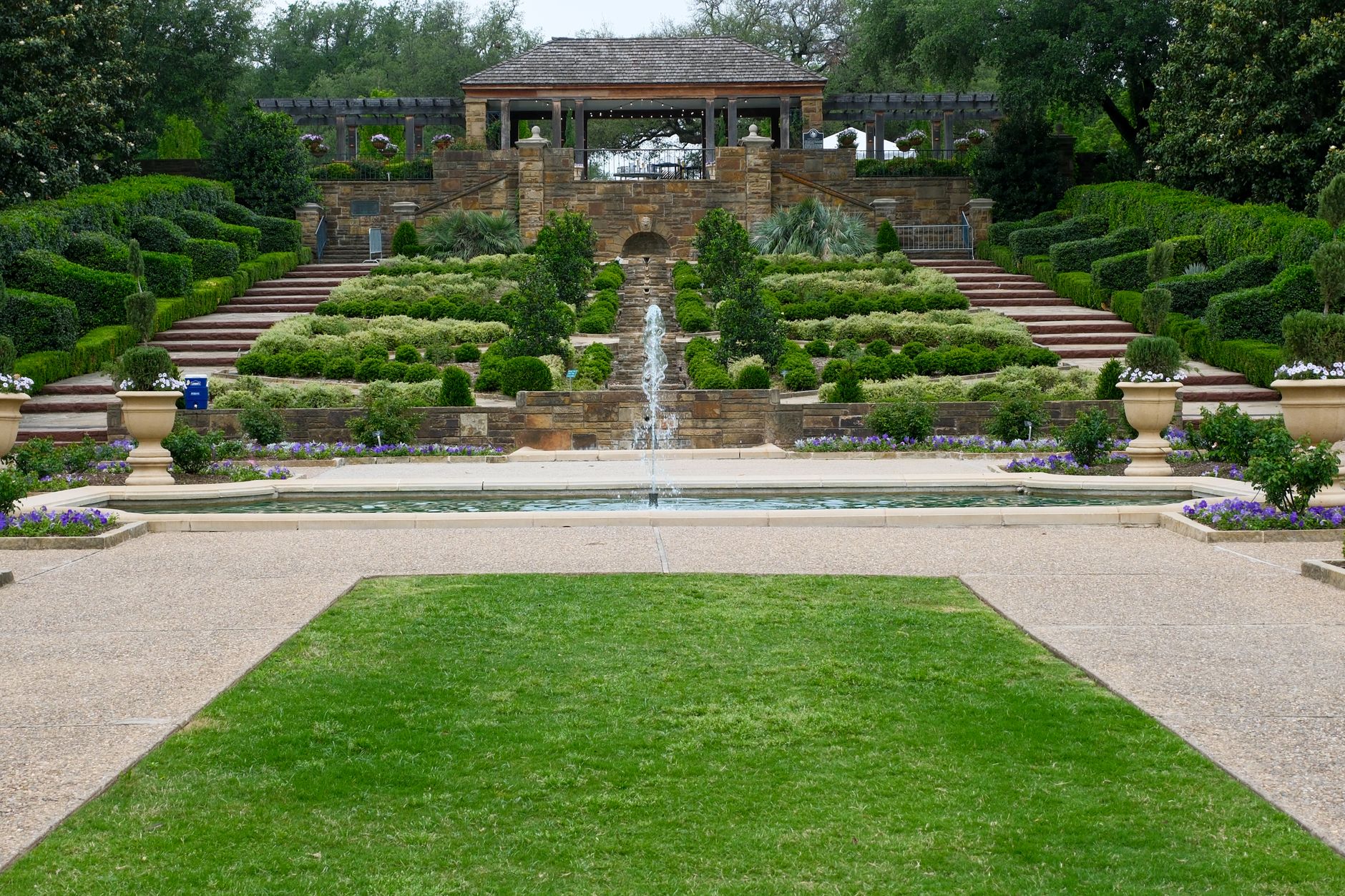
Most visitors photograph the Dallas Arboretum between noon and mid-afternoon, which is exactly when the light is harshest and the paths are busiest. The result is washed-out tulips, squinting kids, and a stranger's elbow in every frame. If you're staying ina short-term condo rental near the Dallas Arboretum and Botanical Garden, you can flip that schedule and shoot when the gardens actually look their best. Here's how to plan it.
Key Takeaways
- Light beats location. Early morning and late afternoon do more for your photos than any lens upgrade.
- Sleeping close changes your schedule. A short drive lets you arrive for soft light instead of fighting traffic at midday.
- Each season is a different shoot. Match your subject, gear, and expectations to the time of year.
- Slow down. Fewer, better compositions win over hundreds of rushed snapshots.
Why It Matters
Garden photography looks easy until you try it. Flowers are bright, shadows are deep, and the sun in Texas is not subtle. Without a plan, you end up with a camera roll full of overexposed blooms and busy backgrounds.
The Arboretum sits on the shore of White Rock Lake, so you get water, skyline-adjacent views, and layered plantings in one place. That variety is a gift, but only if you arrive when the light is kind and the crowds are thin. Timing is the whole game here.
This guide breaks the visit into light, location, season, and logistics. You don't need professional gear. A phone with a steady hand works, and a camera with a decent zoom works better.
Chase the Light First
The best light at the Arboretum is in the first and last hours of the day. Low sun rakes across petals, adds warmth to foliage, and softens the shadows that wreck midday shots. Cloudy mornings are a bonus, because overcast skies act like a giant softbox and make colors look richer.
Morning: Soft, Clean, Quiet
Early arrivals get open paths and dewy plants. This is the time for close-ups, wide landscape frames, and portraits without strangers walking through the background. Check the current opening hours on the official Arboretum site before you plan, since schedules can shift by season.
Late Afternoon: Warm and Dramatic
As the sun drops, backlit leaves glow and the lake side of the property gets golden. Backlighting is your friend for translucent petals and grasses. Expose for the highlights and let the shadows fall off.
Midday: Shoot Differently
If you're stuck with noon light, look for open shade under trees, shoot tight details, or turn to architecture and water reflections. Don't fight the sun with wide scenes. Work around it.
Pro Tip: Use a polarizing filter or a simple lens hood at midday. Both cut glare on leaves and water, and both fit in a jacket pocket.
Match Your Shoot to the Season
Every season at the Arboretum rewards a different kind of photographer. Treating the gardens as a single-season attraction means you'll miss what each stretch of the year does best.
|
Season |
What to Shoot |
Photography Notes |
|
Spring |
Tulips, azaleas, bold color beds |
Go early; this is the busiest, most photographed season |
|
Summer |
Water features, shade gardens, lush greens |
Shoot at sunrise before the heat builds |
|
Fall |
Pumpkin displays, warm foliage, soft light |
Late afternoon gold is the headline |
|
Winter |
Structure, evergreens, holiday lights |
Blue hour and dusk shots shine |
Check the Arboretum's official calendar for current festival dates and ticketing, because seasonal events change from year to year.
Spring: Color Overload
Spring is the postcard season. Bold beds, wide lawns, and packed paths mean you need to be early and patient. Frame tight to isolate a single bloom, and use a wider aperture to melt the background crowd into color.
Summer: Water and Shade
Heat is the enemy of both people and batteries. Start at sunrise, stay near shaded areas, and look for reflections on water features. Summer greens photograph beautifully when the light is low.
Fall and Winter: Mood Over Color
Cooler months bring softer light and fewer visitors. Fall favors warm tones and seasonal displays. Winter favors structure, silhouette, and dusk, especially if you can stay until the lights come up.
Build a Simple Shot List
A short shot list keeps you from wandering aimlessly and wasting your best light. Before you arrive, pick five frames you want and work through them in order of light quality.
- A wide establishing shot that shows the layout of a garden section.
- A close-up of one bloom with a soft, blurred background.
- A leading-line composition using a path, stairway, or row of plantings.
- A water or reflection frame near the lake side of the grounds.
- A people shot with a companion, framed against color rather than clutter.
This takes the pressure off. When the golden hour hits, you already know what to do with it.
Gear That Actually Matters
You don't need a bag full of lenses. A walkable setup beats a heavy one, because you'll be on your feet for hours.
- A zoom lens or a phone with a good telephoto mode
- A lens cloth for morning dew
- A small tripod or phone clamp for dusk shots
- Comfortable shoes, since garden paths add up quickly
- Extra battery or power bank
Why Where You Sleep Shapes Your Photos
Staying close to the gardens is the easiest way to get better light. A long drive from the suburbs or a cross-town commute means you arrive late, hot, and hurried. A base that's a short ride away lets you catch sunrise, retreat for a midday break, and return for golden hour.
That's why many photographers and slow-travel visitors lean toward condos and apartments rather than a standard hotel room. A home-style setup gives you space to charge gear, sort through the morning's frames, and reset between sessions. It also gives you the flexibility to split your day around the light instead of around a checkout schedule.
Cozy Suites focuses on short-term condos and apartments in urban areas close to the action, built around comfort and consistent standards. For a trip structured around early starts and late finishes, that kind of base makes the schedule easier to keep.
A Real-World Example: The Two-Visit Strategy
Picture a travel blogger, Maya, who has one weekend in Dallas and wants usable images for a spring feature. Her first instinct is to book a single midday slot on Saturday, because that's when everyone goes.
Instead, she splits the visit. On Saturday she arrives at opening, shoots wide landscape frames and close-ups in soft light, and leaves before the crowds peak. She spends midday editing and resting at her rental, then returns on Sunday evening for backlit blooms and lake views.
The result: two sessions, two kinds of light, and no frustrating shoves through a crowded bridge. She leaves with more usable shots from five focused hours than she would have from a full day of midday wandering. The lesson is simple. Two short visits at the right times beat one long visit at the wrong time.
Key Insight: Photographers who split their Arboretum visit into a morning session and a late-day session consistently come home with a wider range of lighting, which makes any photo set feel more professional.
Actionable Takeaways
- Check the official Arboretum website for current hours, tickets, and seasonal events before you finalize dates.
- Plan two short visits instead of one long one, ideally at the start and end of the day.
- Write a five-frame shot list so your best light isn't spent wandering.
- Pack light with a zoom lens, cloth, power bank, and comfortable shoes.
- Book a base close by so early starts and golden-hour returns are easy.
- Use midday for rest or detail work, not for wide scenic shots.
Conclusion
The Dallas Arboretum rewards patience more than gear. Pick your light, match your shots to the season, and give yourself the schedule flexibility to show up when the gardens are at their best. A little planning turns a crowded stroll into a genuinely beautiful set of photos.
FAQ
What is the best time of day to photograph the Dallas Arboretum?
The best times are the first hour after opening and the last hour before sunset. Low-angle light softens shadows and adds warmth to petals and foliage. Midday is the hardest time to shoot because the sun is high and the paths are busiest.
Can I use a tripod at the Dallas Arboretum?
Policies on tripods and professional equipment can change, so check the Arboretum's official guidelines before you go. Some visitors use a compact tripod or phone clamp for dusk shots. Larger setups and commercial shoots often require advance permission.
Which season is best for garden photography in Dallas?
Spring is the most colorful and popular season, while fall and winter offer softer light and fewer crowds. The best season depends on your subject. Choose spring for bold floral color, summer for lush greens, and cooler months for mood and structure.
Do I need a professional camera to get good photos there?
No, a modern smartphone can produce excellent garden photos when you shoot in good light. A camera with a zoom lens gives you more control over background blur and detail. Light and composition matter far more than the price of your gear.
Where should I stay for an early-morning Arboretum shoot?
A condo or apartment close to the gardens makes early starts and golden-hour returns much easier. Cozy Suites offers short-term condos and apartments only, not cabins, houses, or chalets. Check the exact location and distance before you book so your morning commute stays short.
How long should I plan to spend at the Arboretum for photography?
Plan two sessions of about two to three hours each rather than one all-day visit. Splitting your time lets you capture morning and late-day light and take a break in the heat. This approach produces more variety and less fatigue.