
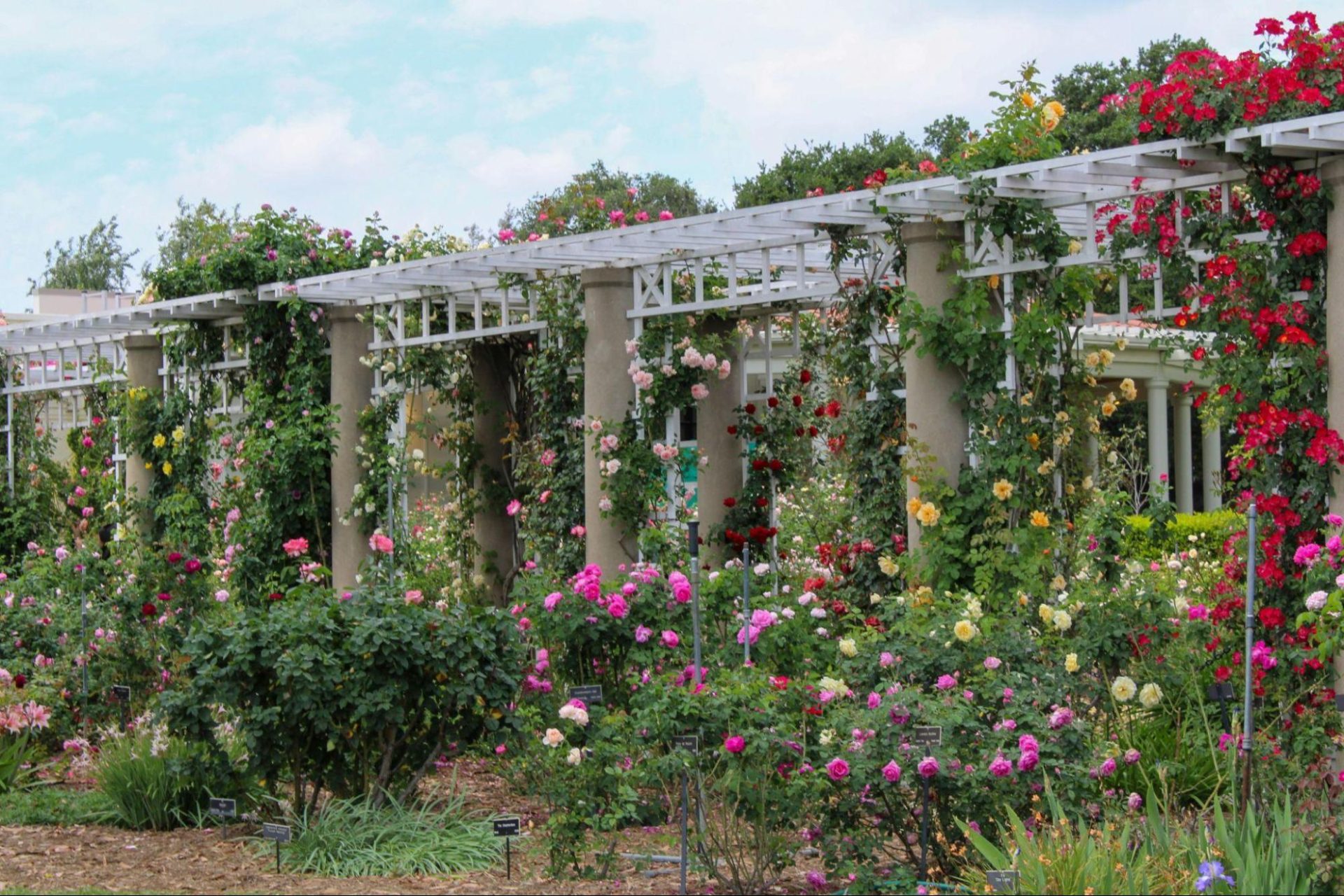
A garden pavilion is the rare outdoor addition that can make a plot feel both more useful and more romantic. It is not quite a room and not quite a garden structure; it is a compromise between the two. Done well, it gives you a place for long lunches, quiet reading, post-swim suppers or simply watching the light change through the planting. Especially popular in summers, garden pavilions are experiencing a new wave of interest. In this article, we explore industry-approved ideas for designing a garden pavilion that will be used and enjoyed by all family members.
Table of Contents
Start with a purpose
The most convincing pavilions are designed around how people will actually use them. Before settling on its footprint or style, decide whether it is primarily a dining room, a shaded sitting area, an outdoor kitchen companion, or a place to work with the doors open.
A dining pavilion needs enough room for chairs to pull back comfortably and a clear route from the kitchen. A lounging pavilion can be more intimate, with deep seating, a low table, and layered lighting. If you want it to operate across seasons, consider discreet side screens, a wood burner where regulations permit, or simply a roof with a generous overhang that keeps off drizzle without enclosing the view.
It’s important to resist the urge to make the building solve every possible need. A pavilion works best when it has a clear character. Think of it as the garden’s most sociable room, rather than a storage shed with better furniture.
Choose the view before choosing the materials
The location of the pavilion is one of the most important decisions to make. Stand in the proposed spot at different times of day and notice where the sun lands, what you can hear and which sightlines deserve framing. A pavilion at the far end of a garden can create a destination and make even a modest plot feel longer. One tucked beside the house, meanwhile, is easier to use on an ordinary evening.
Designers often orient the structure towards a focal point: a specimen tree, a border of grasses, a small pool or a borrowed view beyond the boundary. Just as important is what it screens. A carefully placed wall, slatted panel or planted trellis can edit out a neighbouring fence or a less-than-lovely utility area, giving the garden an immediate sense of calm.
Let the architecture breathe
The most elegant garden pavilions do not try to imitate the house brick for brick. They establish a relationship instead. A Victorian terrace may suit a slender painted timber structure with a gently pitched roof; a contemporary home can carry off blackened timber, pale stone and a crisp flat canopy. In a rural setting, oak posts and a clay-tile roof have the reassuring quality of something that has always belonged there.
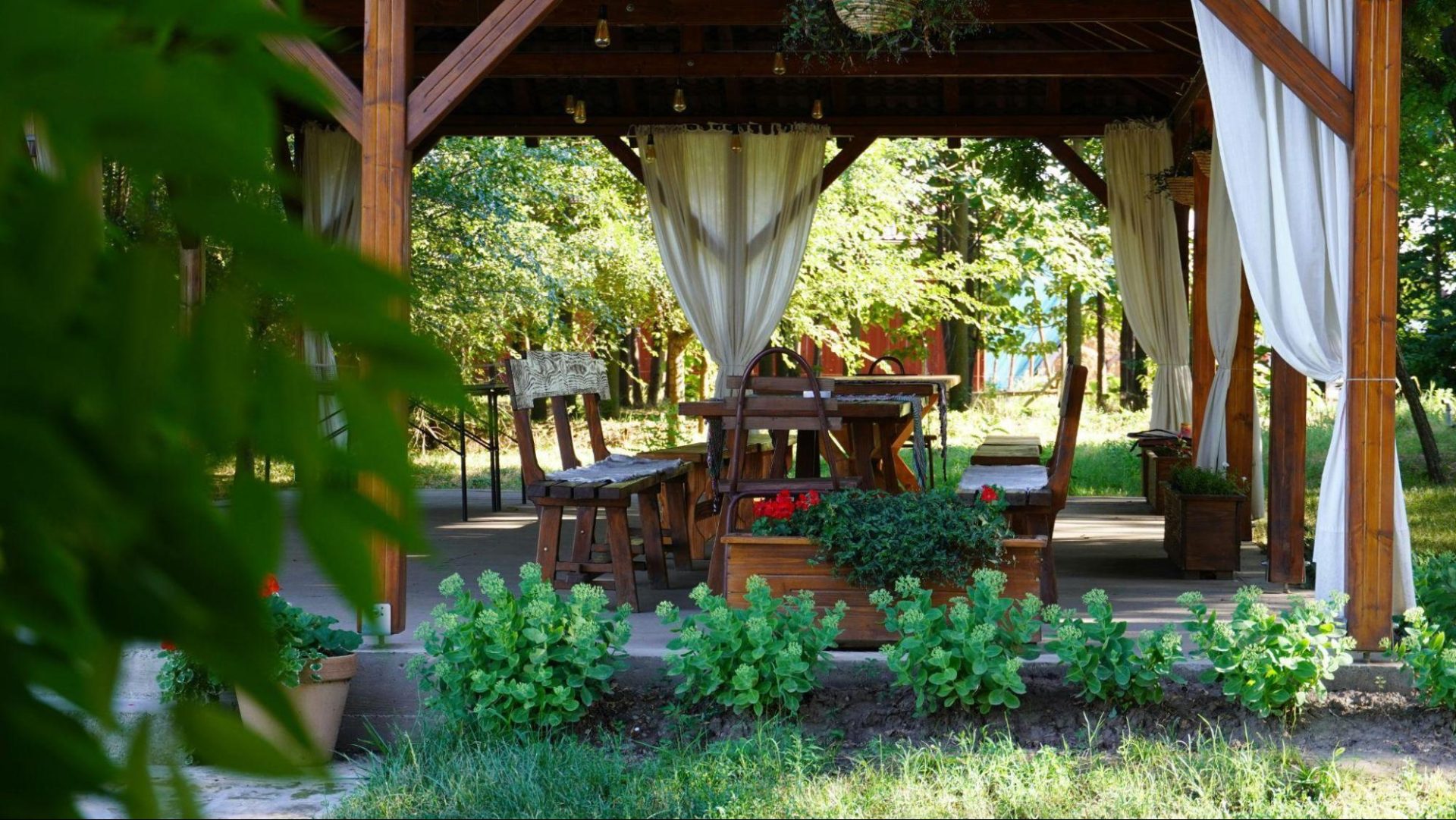
Whichever language you choose, aim for visual lightness. Open sides, slim columns and generous apertures allow the structure to read as part of the garden rather than an interruption in it. If you want to create a stronger sense of shelter, you can make one rear wall solid, while leaving the front open to the garden. It can be used as a backdrop for an artwork and create a more cozy atmosphere for a sitting area.
Make the floor earn its keep
Flooring sets the mood faster than almost any other finish. Gravel is relaxed and permeable, though less practical under dining chairs. Brick feels warm and forgiving, while limestone and porcelain offer a calmer, more tailored look. In hot climates, stone can be wonderfully cool underfoot; in wetter ones, choose a textured finish with good slip resistance and pay careful attention to drainage.
A mosaic rug is particularly effective in a small pavilion because it turns the ground plane into a point of view. Keep the pattern simple enough to live with, for example geometric borders, a muted checkerboard or a loose botanical motif, rather than treating every inch as decoration. If you commission handcrafted mosaics, let their irregularity be the luxury. They bring the sort of depth that becomes even more appealing after rain, candlelight and years of use.
Treat planting as part of the structure
What is a garden pavilion without planting? Integrate the structure within the surrounding landscape with smart planting decisions. Soften posts with climbing roses, star jasmine, clematis or honeysuckle, choosing varieties suited to your local climate and the amount of sun. Use taller grasses or airy shrubs nearby to create movement, but do not crowd the entrance; the approach should feel inviting, not overgrown.
Fragrance is especially powerful here. A bench beneath a climbing rose, pots of pelargonium near the doorway enhance the overall experience of being within the space. Consider the sensory experience in every season: the rustle of ornamental grasses in autumn, evergreen structure in winter, and the scent of citrus or herbs in summer.
Finish it like a room, but live in it like a garden
The final layer is comfort. Choose outdoor fabrics that are durable enough to withstand exposure to weather in different seasons. Bring in a real rug if it can be stored or protected, add table lamps designed for exterior use, and use several low, warm pools of light for setting the mood.
Don’t aim for perfectly organized space: garden pavilions benefit from a little informality. A stack of linen cushions, a drinks tray, a watering can used as a vase and a side table that has weathered naturally all help it feel inhabited. Perfection is not the point. The appeal lies in the gentle blur between architecture and planting, hosting and hiding away.