

Many people spend hours sitting every day, whether they are working, studying, gaming, or attending online meetings. While sitting itself is not necessarily harmful, doing it in the wrong position for long periods can contribute to discomfort and poor posture. Choosing a chair for posture can help support proper spinal alignment, improve sitting comfort, and reduce the risk of strain during extended periods of sitting. This is why choosing the right chair is more important than many people realise.
A chair designed to support good posture does more than provide a place to sit. It helps keep your body properly aligned, reduces unnecessary strain on your muscles and joints, and encourages healthier sitting habits throughout the day.
If you are looking for a chair for posture, understanding what features actually matter can help you make a more informed decision.
Table of Contents
Why Good Posture Matters
Good posture is about maintaining the natural alignment of your body while sitting or standing.
When you sit with proper support, your spine is better positioned, your shoulders remain relaxed, and your feet stay firmly on the floor. This reduces unnecessary pressure on your back, neck, and hips.
On the other hand, poor sitting habits can place additional strain on muscles and joints. Over time, this may contribute to discomfort, stiffness, and fatigue, especially for people who spend most of the day at a desk.
Although a chair alone cannot correct posture, it can provide the support needed to encourage healthier sitting positions.
What Makes a Chair Good for Posture?
A posture-friendly chair is designed to support your body rather than force it into an uncomfortable position.
One of the most important features is lumbar support. The lower back naturally curves inward, and proper lumbar support helps maintain this curve while sitting.
The chair should also have a supportive backrest that follows the shape of your spine instead of encouraging you to slouch.
Equally important is seat height. Your feet should rest flat on the floor with your knees positioned at approximately a right angle. This helps improve stability and reduces pressure on your legs.
Adjustable Features Make a Big Difference
No single chair fits everyone.
People have different heights, body shapes, and sitting preferences, so adjustability is one of the most valuable features to look for.
A good posture chair should allow you to adjust the seat height, armrests, and backrest angle.
Some models also include adjustable lumbar support and seat depth, making it easier to find a comfortable position that suits your body.
The more adjustable the chair is, the more likely it is to provide proper support over long periods.
Choosing the Right Seat Cushion
Seat comfort is often overlooked, but it plays an important role in maintaining good posture.
A seat that is too soft may cause your body to sink, reducing support for your lower back. On the other hand, a seat that is too firm may become uncomfortable during extended sitting.
A medium-firm cushion usually provides a good balance between comfort and support.
The seat should also be deep enough to support your thighs while leaving a small gap behind your knees.
Breathable Materials Improve Comfort
The material of the chair affects comfort, especially if you sit for several hours each day.
Mesh chairs are popular because they allow air to circulate, helping keep you cool throughout the day.
Fabric chairs also provide good breathability and often feel comfortable in different environments.
Leather or PU leather chairs are easy to clean and have a premium appearance, although they may retain more heat during warmer weather.
Choosing the right material depends on your working environment and personal preference.
A Chair Alone Is Not Enough
Even the best posture chair cannot eliminate the effects of sitting for too long.
Taking regular breaks, standing up every hour, stretching, and adjusting your workstation are equally important.
Your computer monitor should be positioned at eye level, while your keyboard and mouse should allow your arms to remain relaxed.
Good posture is the result of both proper equipment and healthy daily habits.
Common Mistakes When Buying a Chair
One common mistake is choosing a chair based only on appearance.
While a stylish design may look appealing, it does not guarantee proper support.
Another mistake is ignoring adjustability. A fixed chair may not suit your height or body shape, making it difficult to maintain good posture.
Some people also buy a chair without checking its dimensions, only to discover later that it feels either too small or too large.
Taking the time to compare features before buying often leads to better long-term comfort.
How to Know if a Chair Fits You
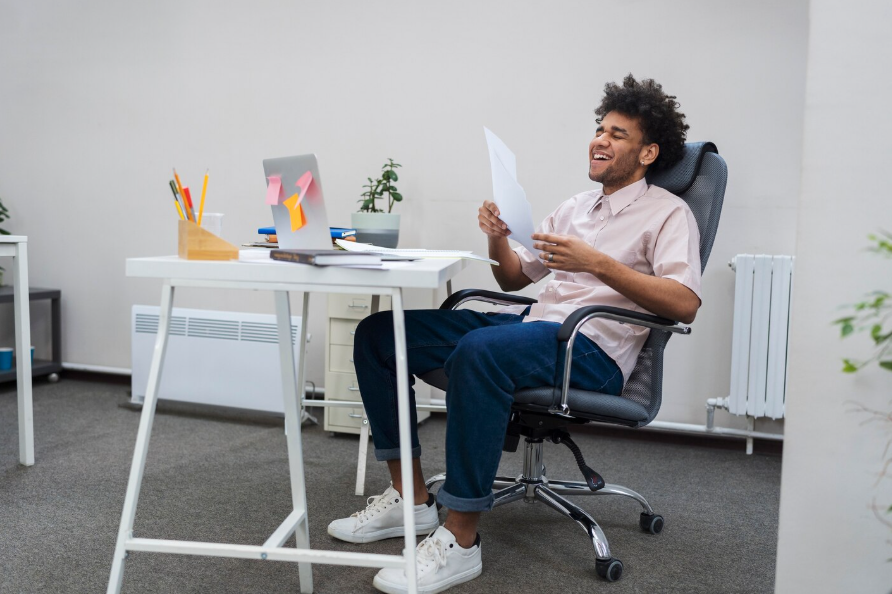
When sitting in a chair, your feet should rest comfortably on the floor without stretching.
Your lower back should feel supported, and your shoulders should remain relaxed instead of lifting upwards.
Your elbows should rest naturally near your body, and there should be enough room between the edge of the seat and the back of your knees.
If you constantly feel the need to shift position because of discomfort, the chair may not be providing the support you need.
Conclusion
Choosing the right chair for posture is an investment in your everyday comfort and long-term wellbeing. While no chair can completely prevent discomfort, one with proper ergonomic support can help encourage healthier sitting habits and reduce unnecessary strain on your body.
By focusing on adjustability, lumbar support, seat comfort, and overall fit, you can find a chair that supports both productivity and comfort, whether you are working, studying, or enjoying your favourite games.
Combined with regular movement and a well-organised workspace, the right chair can make sitting for long periods much more comfortable.
FAQs
Can a posture chair improve back pain?
A supportive chair may help reduce discomfort by encouraging better posture, but persistent back pain should be assessed by a healthcare professional.
How often should I stand up while working?
Many experts recommend standing and moving around at least once every 30 to 60 minutes.
Is lumbar support really necessary?
Yes. Proper lumbar support helps maintain the natural curve of the lower spine during long periods of sitting.
Should my feet touch the floor when sitting?
Yes. Your feet should rest flat on the floor to help maintain good posture and reduce pressure on your legs.