
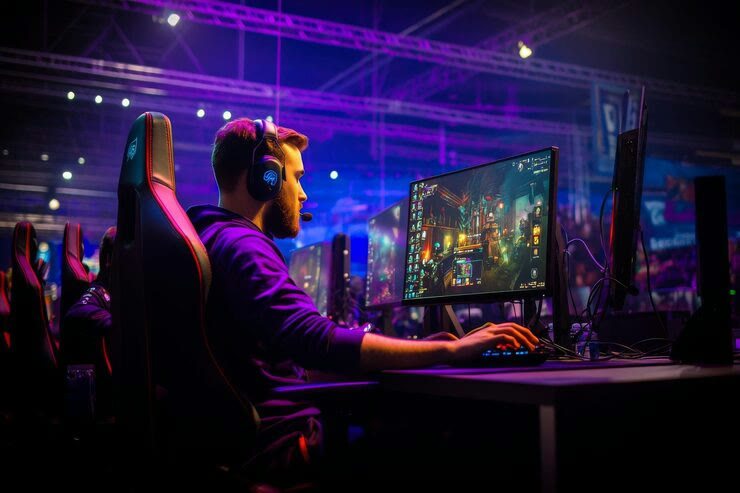
Modern online games frequently combine detailed visual effects with responsive controls. A character may move through a complicated environment while background objects, lighting and interface elements change simultaneously.
Creating this experience requires more than attractive illustrations. Developers must ensure that animations perform reliably, interactions remain responsive and technical limitations do not interrupt access to essential functions.
Balancing graphical quality with performance is therefore a central consideration in digital game development.
Table of Contents
Understanding Why Animation Requires Processing Resources
Every visible movement requires a device to process and display changing information. The number of animated objects, their graphical complexity and the rendering methods used can all affect performance.
The importance of frame rates
Frame rate describes how many individual images a device displays within a second. A stable frame rate generally produces more consistent movement than one that changes unpredictably.
However, higher frame rates can require additional processing resources. Developers need to consider the capabilities of different devices rather than assuming every system can support the same graphical settings.
How visual effects increase technical demands
Shadows, reflections, particle effects and animated lighting may require additional calculations. When numerous effects appear simultaneously, lower-powered devices can struggle to maintain stable performance.
Reducing unnecessary graphical complexity can help preserve responsiveness without removing the artistic identity of a game.
Why Efficient Asset Management Matters
Digital games contain many resources, including background images, characters, sound files, textures and interface graphics. The way these resources are organised affects loading behaviour and memory requirements.
Compressing graphical resources
Appropriate compression techniques can reduce the size of image and animation files. Developers must balance smaller file sizes with acceptable visual quality.
When browsing online gaming descriptions associated with situs gacor, users may encounter interfaces containing extensive animations. The quantity of visual effects alone does not establish whether the underlying software is efficiently designed.
Loading resources when required
Some games load particular assets before they become visible, while others retrieve them when needed. Efficient loading strategies depend on the structure and requirements of the application.
Poorly managed resources can cause delays, incomplete graphics or unexpected interruptions.
Keeping Controls Responsive During Visual Sequences
An attractive animation can become frustrating when it prevents someone from accessing necessary controls. Interaction design must consider what happens when users open menus, adjust settings or leave a particular screen.
Separating decorative and functional movement
A decorative background animation should not interfere with an information panel. Similarly, character movements should not prevent important messages from appearing.
Separating these processes helps maintain a distinction between visual presentation and functional interaction.
Providing appropriate feedback
When someone selects a button, a brief visual change can communicate that the action has been recognised. Without such feedback, users may incorrectly assume that the interface is unresponsive.
These animations should be short enough to avoid unnecessary delays.
Adapting Games to Different Internet Connections
Online games do not all use internet connections in the same way. Some retrieve information regularly from remote servers, while others process substantial portions of their graphical presentation locally.
Connection instability can affect loading, communication and access to certain functions. Developers should provide accurate messages when an interruption occurs rather than leaving users uncertain about the status of an action.
This distinction is especially important in products involving financial transactions, where network delays should never obscure account balances or transaction records.
Maintaining Performance Across Different Devices
A game that performs well on a recent desktop computer may behave differently on an older smartphone. Screen resolution, available memory and processing capabilities influence the technical demands of an application.
Interfaces associated with names such as slot777 may be accessed through different device types. Their technical performance and reliability cannot be established simply by the appearance of screenshots or promotional descriptions.
Cross-device testing allows developers to identify problems involving touch controls, layout changes, graphical rendering and navigation.
Giving Users Control Over Visual Settings
Not everyone wants the same level of graphical detail. Some people prefer reduced animation because of motion sensitivity, battery limitations or personal comfort.
Adjustable settings can allow users to reduce decorative effects without removing access to instructions or other essential features. Audio controls serve a similar purpose by accommodating different environments and preferences.
Providing these choices supports accessibility while acknowledging the practical limitations of different devices.
Conclusion
Balancing animation with smooth gameplay requires efficient resource management, responsive interface design and testing across different technical environments.
Detailed visual effects can contribute to artistic quality, but they should not compromise accessibility or the reliability of essential functions. Successful digital design considers both what appears on the screen and how effectively the underlying software performs. Thoughtfully managed animation allows developers to maintain visual identity without introducing unnecessary technical obstacles.
