
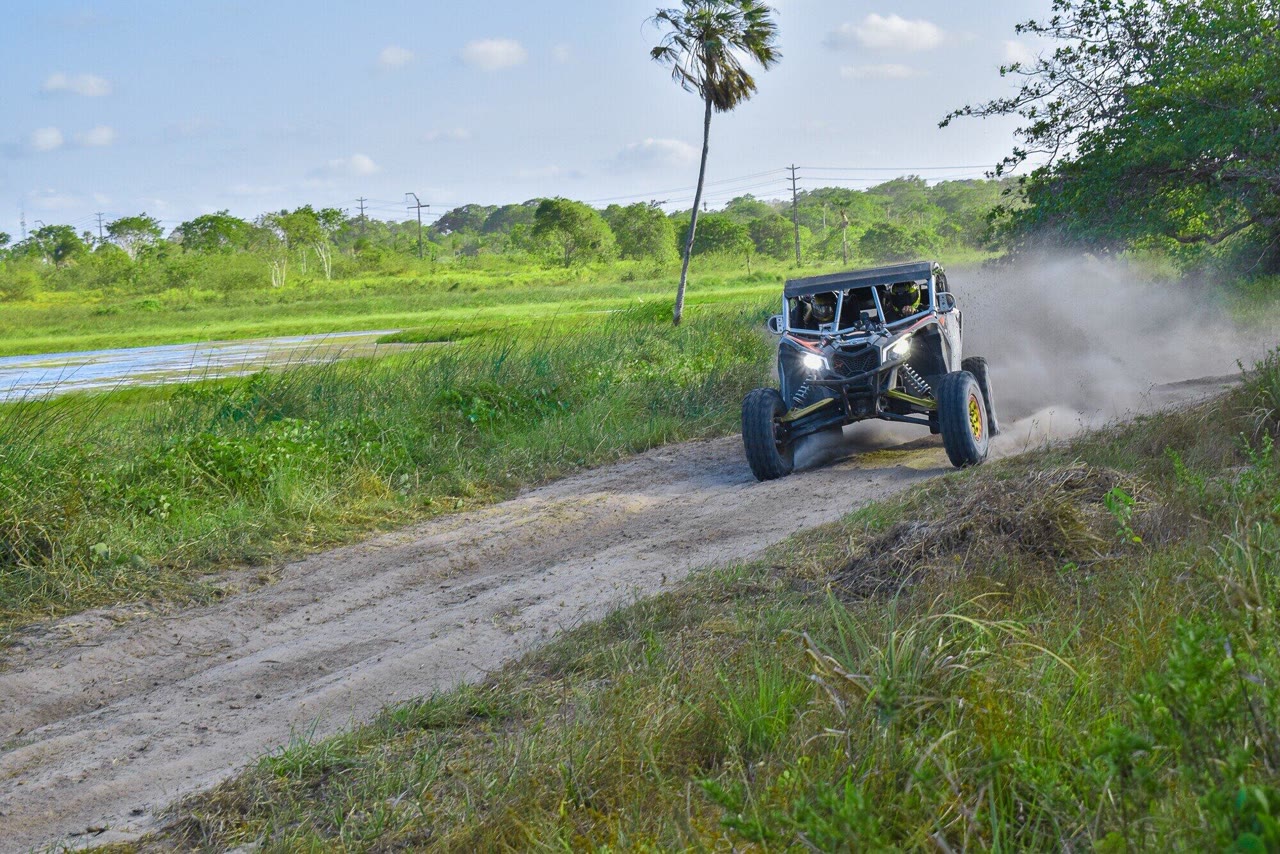
Exploring deep forest paths and rugged backcountry trails on an all-terrain vehicle delivers an unmatched rush of freedom. Whether you are climbing rocky ridges, splashing through muddy creek beds, or winding through dense pine woods, every turn brings a new thrill. However, off-road terrain changes fast, and heavy machines demand respect.
Preparing properly before you hit the dirt ensures your trip stays fun, memorable, and injury-free. When you understand basic trail etiquette, wear the right protective equipment, and listen closely to your trail leader, you set yourself up for success on any terrain.
Continue reading to discover everything you need to know!
Table of Contents
Gear Up Before You Hit the Dirt
Your clothing and protective equipment act as your primary shield against branches, flying gravel, and unexpected spills. Even on a slow-paced scenic tour, trail debris can kick up without warning.
Never show up to a trailhead in shorts, tank tops, or open-toed shoes. Instead, dress in durable layers that protect your skin from brush and shifting mountain weather.
Here is the essential gear you should pack for every ride:
- Wear a DOT-approved safety helmet.
- Put on shatterproof protective goggles.
- Pull on sturdy leather gloves.
- Wear durable over-the-ankle riding boots.
- Choose tough long-sleeve trail shirts.
- Wear heavy-duty denim riding pants.
- Pack a lightweight rain jacket.
Most guided outfitters provide helmets and goggles, so check what is included when you book your ATV trail adventures. Make sure your helmet fits snugly without pinching, and fasten the chin strap securely before starting the engine. If your goggles fog up, wipe them down during rest stops rather than removing them while the machine is moving.
Master the Basics of Off-Road Control
Riding an ATV requires active body movement, unlike driving a standard passenger car. You cannot simply sit stiffly in the seat and turn the handlebars. Your body weight plays a huge role in keeping all four tires planted firmly on the ground, especially when navigating uneven ruts or steep inclines.
Before leaving the staging area, familiarize yourself with the throttle, brake levers, and parking brake. Most modern trail quads use a thumb throttle on the right handlebar rather than a twist grip.
Press the thumb lever smoothly to avoid jerky acceleration that can throw off your balance. Keep two fingers resting lightly over the brake lever so you can react quickly if an obstacle appears ahead.
Use these core riding techniques to maintain control on tough terrain:
- Keep both feet on footrests.
- Lean into every sharp turn.
- Shift weight forward when climbing hills.
- Lean back when descending slopes.
- Look ahead down the trail.
- Keep thumbs outside steering grips.
Never put your foot down to catch yourself if the vehicle tilts. Dropping a foot near a moving rear tire can cause severe leg injuries. Instead, shift your hips toward the uphill side of the machine and ease off the throttle until the tires regain traction.
Follow Your Guide and Respect Trail Etiquette
Joining a guided excursion takes the guesswork out of navigation, allowing you to focus entirely on the scenery and your riding technique. Experienced trail leaders know where washouts, deep mud holes, and blind corners hide.
Booking a trip with reputable outfitters like Gon Ridin’ Off Road ATV Tours gives beginners and seasoned riders alike access to well-maintained machines and expert local knowledge.
Your guide will hold a pre-ride safety briefing before anyone turns a key. Pay close attention to their hand signals, which communicate upcoming hazards over the roar of the engines. Common signals include a raised closed fist to stop, a pointed finger toward rocks or ruts on the trail, and a pat on top of the helmet to signal that everyone is ready to roll.
Practice smart group riding habits throughout the entire journey:
- Maintain a safe following distance.
- Never pass the lead guide.
- Stay strictly on marked trails.
- Slow down near blind corners.
- Yield right-of-way to uphill riders.
- Watch the rider behind you.
Dust clouds can quickly reduce visibility on dry forest roads. Leave at least two to three vehicle lengths between your front bumper and the rider ahead of you.
Prepare Your Body and Mind for the Backcountry
Off-road riding is a genuine physical workout. Wrestling the handlebars over tree roots, absorbing bumps through your knees, and staying alert for hours will fatigue your muscles faster than you might expect. Fatigue leads to slower reaction times and poor decision-making, which are the main causes of late-afternoon trail mishaps.
Start hydrating the day before your ride, and bring a small backpack with bottled water and high-protein snacks. Avoid alcohol or heavy, sluggish meals right before your tour, as clear focus is essential when operating motorized equipment. Check the local forecast before departing, since temperatures in forested mountains can drop rapidly once the sun dips below the canopy.
Pack these smart extras in your daypack before heading out:
- Bring plenty of fresh water.
- Pack high-energy trail snacks.
- Apply broad-spectrum waterproof sunscreen.
- Carry basic personal first-aid supplies.
- Keep your phone fully charged.
- Bring a clean microfiber cloth.
If you start feeling tired, stiff, or overwhelmed by a tricky section of trail, let your guide know immediately. Good guides welcome honest communication and will happily adjust the pace or take a short break so everyone stays comfortable.
Navigate Water Crossings and Muddy Terrain With Care
Forest and backcountry trails rarely stay dry for long. Stream crossings, deep ruts, and thick mud patches test both your patience and your throttle control. Before entering any water or mud, slow down and check the depth by watching how your guide’s machine handles the crossing.
Enter the water at a steady, slow speed to avoid splashing water into your engine’s air intake or soaking your electrical components. Keep a consistent throttle all the way across without stopping mid-stream, as stopping can cause your tires to sink and lose traction. Once you reach dry ground, lightly tap your brakes a few times to clear away water and restore full stopping power.
Ready to Kick Up Some Dust Safely?
Safe riding habits transform a potentially risky excursion into an unforgettable outdoor experience. When you wear proper protective gear, use active body positioning, and respect your guide’s instructions, you can conquer rugged backcountry trails with total confidence. Every mile becomes smoother when you stay alert, ride within your skill level, and look out for your fellow riders.
Looking for more tips and ideas? We’ve got you covered. Check out some of our other posts now.