
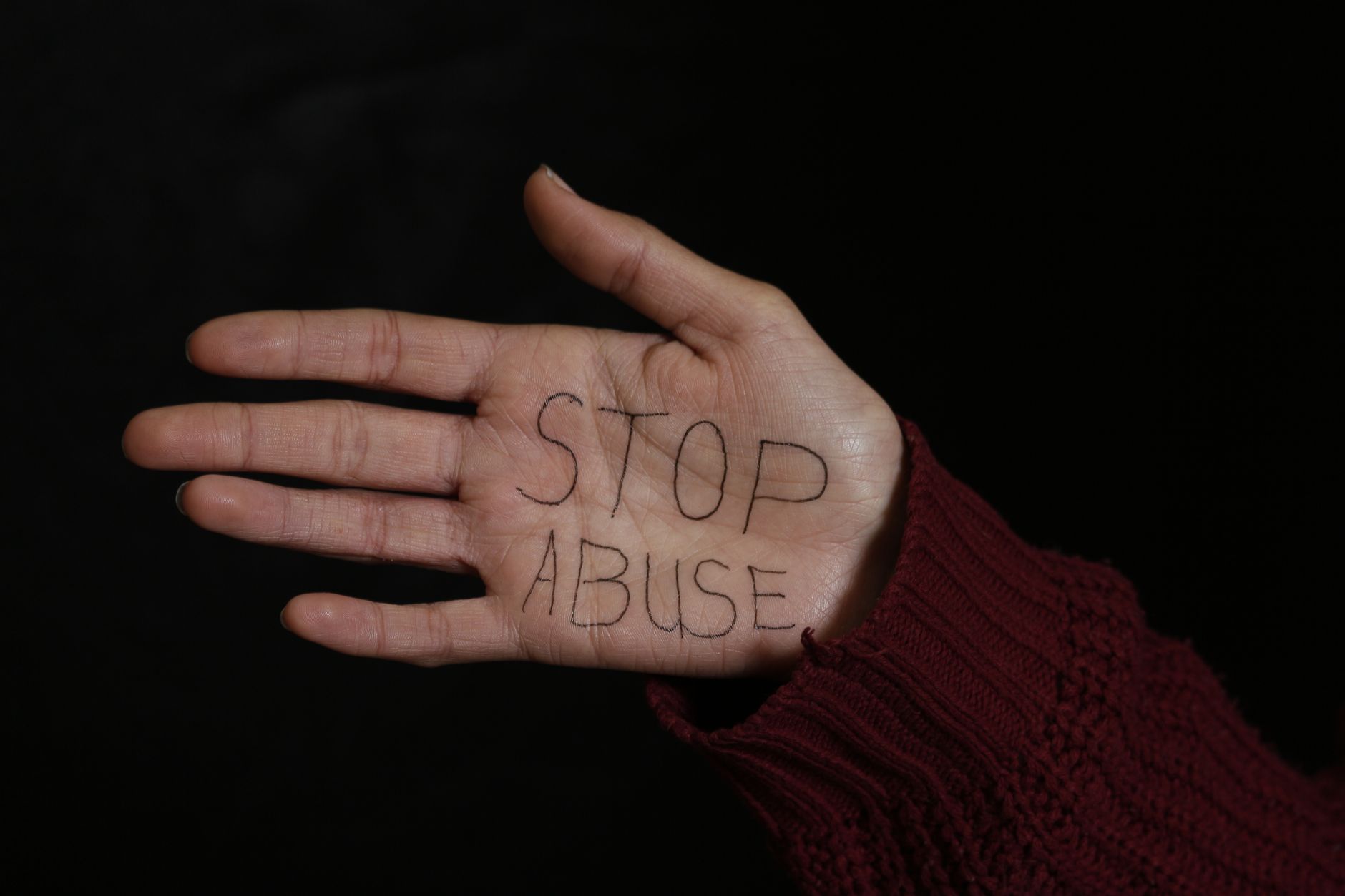
Relationships usually begin with hope, affection, and high expectations. However, domestic abuse rarely starts openly with physical violence or obvious hostility. Instead, it frequently unfolds behind closed doors through a gradual erosion of personal boundaries, identity, and self-worth. Because these initial warning signs are often disguised as intense passion or protective care, identifying them can be difficult until an unhealthy dynamic takes firm root. Recognizing the subtle emotional, psychological, and behavioral red flags of an abusive relationship is a critical first step toward preserving your safety and autonomy.
1. The Illusion of Perfection and Love-Bombing
An unhealthy relationship dynamic often starts not with overt conflict, but with an overwhelming wave of affection known as "love-bombing". During this phase, an abusive partner showers the other with non-stop attention, excessive praise, and grand romantic gestures to create a rapid, intense emotional bond. While this high level of devotion can feel flattering, it is frequently used to establish emotional dependency.
Once this bond is established, the behavior shifts toward control under the guise of deep concern. Frequent check-ins escalate into demands for constant communication or invasive tracking of your location. When a partner’s need to know where you are at all times limits your freedom, it is a significant warning sign.
2. Psychological Erosion and Gaslighting
Abuse frequently involves continuous psychological manipulation designed to break down a partner's self-esteem. This often begins with subtle remarks or critical jokes made at your expense, which gradually intensify into harsh insults and personal degradation. Over time, this constant negativity causes individuals to doubt their value and feel unworthy of respect.
Closely paired with ongoing criticism is gaslighting—a dangerous tactic where an abuser denies that specific events, conversations, or agreements occurred. Gaslighting forces you to question your own memory, judgment, and perception of reality, creating a heavy reliance on the abuser's altered version of the truth. If you consistently feel confused, anxious, or as though you are losing your sense of reality, you are likely experiencing psychological abuse.
3. The Strategy of Systematic Isolation
Abusers systematically work to sever a partner's ties to external support networks, including close friends, colleagues, and family members. Isolating a partner makes it far easier to maintain control, as it eliminates objective advice and safe havens during times of conflict.
This process typically starts quietly, with the abuser expressing negative opinions about loved ones or creating stressful conflicts whenever outside plans are made. To maintain peace and avoid arguments, you may find yourself choosing to stay home or feeling guilty for wanting time outside the relationship. When a partner views your external support system as a threat to their control, it is a clear indicator of an unhealthy relationship.
4. Financial and Behavioral Control
Control often expands directly into everyday logistics, personal choices, and financial management. Financial abuse involves monitoring every purchase, restricting access to funds, or actively discouraging a partner from securing or maintaining employment. By establishing complete financial dependency, the abuser creates a practical barrier that makes leaving feel nearly impossible.
Furthermore, an abusive partner may insist on making all major life decisions independently, dictating what you wear, who you can associate with, or how you spend your free time. A healthy relationship requires shared decision-making; an unequal power balance is a core characteristic of abuse.
5. Unpredictable Volatility and Chronic Fear
Healthy partnerships are grounded in mutual respect, equality, and emotional stability. In an abusive dynamic, extreme mood swings create an environment of constant unpredictability. An abuser may shift without warning from intense charm to sudden rage or cold detachment, leaving you in a state of persistent hypervigilance.
This instability forces victims to live in chronic anxiety, feeling as though they are constantly "walking on eggshells" to prevent an outburst. Experiencing persistent fear, dread, or apprehension around your partner's reactions is a clear signal that the environment is fundamentally unsafe.
6. Seeking Safety and Reclaiming Autonomy
Recognizing these warning signs is the essential first step toward reclaiming your well-being, confidence, and safety. It is vital to remember that abuse is never the victim's fault, regardless of how the abuser frames the situation.
If you find yourself in an unsafe or controlling marriage, developing a personalized safety plan is critical. Essential steps include securing vital personal documents, setting aside emergency funds, establishing code words with trusted friends, and identifying safe places to go in an emergency. Additionally, consulting a qualified divorce attorney in Utah County can provide the legal protection, clarity, and guidance needed to safeguard your rights and navigate a safe transition out of the relationship. Professional counselors, domestic violence advocates, and legal representatives offer the comprehensive support network necessary to help you safely move forward.
Conclusion
Abuse thrives in secrecy behind closed doors, but it loses its power when brought into the light of awareness and support. Understanding the warning signs—from subtle manipulation and isolation to financial control and emotional volatility—empowers individuals to prioritize their safety and peace of mind. Everyone deserves a relationship founded on trust, freedom, and mutual respect. Taking action may feel daunting, but reaching out for professional support is the first step toward a secure, empowered future.