
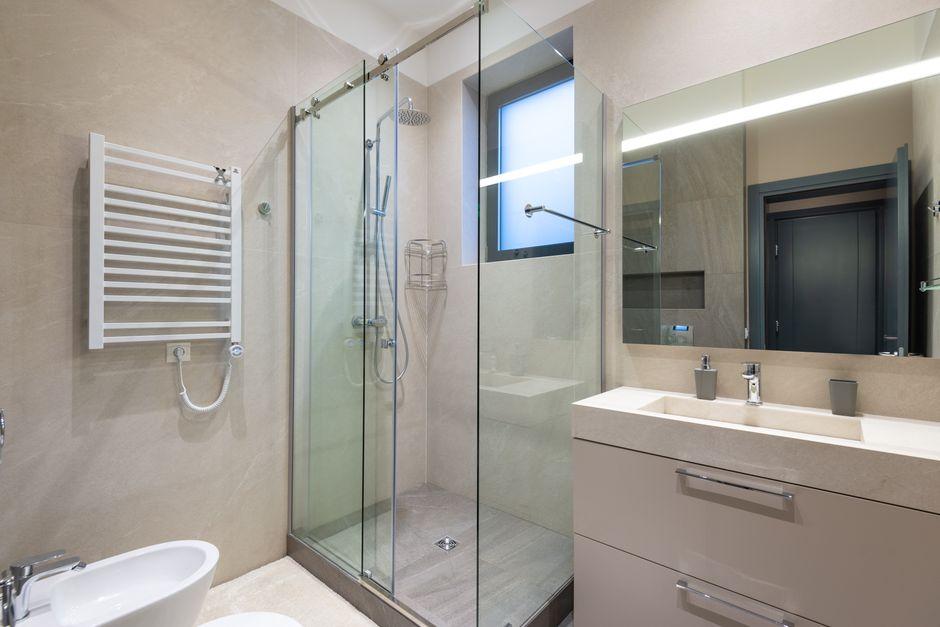
A bathroom renovation can make everyday routines more comfortable, improve safety, and refresh one of the most frequently used rooms in a home. Yet the difference between a satisfying upgrade and an expensive headache often comes down to planning. In 2024, Americans spent an estimated $603 billion on home remodeling, according to housing research. The smartest approach starts by identifying what the room needs, deciding what you can afford, and choosing improvements that deliver lasting value. A thoughtful plan also helps you coordinate trades, limit disruption, and avoid paying for features that do little to improve daily life.
Start With the Problems You Actually Need to Solve
Before browsing design inspiration, take an honest look at the bathroom you already have. Is storage inadequate? Does the shower feel cramped? Are surfaces difficult to clean, or are there signs of leaks, damaged grout, poor ventilation, or aging plumbing? Identifying the real problems helps keep the project focused.
Separate essential repairs from cosmetic preferences. A persistent leak or damaged flooring should take priority over decorative hardware. If the room functions well but looks dated, a refresh may be enough.
Plan the Layout Before You Fall for the Look
A bathroom should feel easy to use. Consider how the door swings, whether drawers open fully, whether there is enough room to dry off, and whether towels and toiletries have sensible storage.
Moving a toilet, sink, or shower can require changes to plumbing, drainage, flooring, and electrical systems. If the layout is genuinely inconvenient, discuss options early so the design and practical requirements work together.
For homeowners consideringbathroom remodeling, the right project scope depends on the room’s condition, household needs, and how much disruption can be managed. Define the expected outcome before work begins, and make sure the scope, schedule, and responsibilities are clear in writing.
Build a Realistic Budget Before Choosing Finishes
A clear budget turns ideas into practical decisions. Estimate labor, materials, fixtures, demolition, disposal, and any necessary plumbing or electrical work. Include a contingency reserve for hidden damage or changes that become necessary once walls or flooring are opened.
Treat national averages as context, not a quote. Room size, material choices, and project complexity all affect the final cost. Get written estimates that describe the same scope so you can compare them fairly. Ask questions before committing rather than assuming the cheapest option offers the best value.
Choose Materials for Everyday Use
The most attractive material is not always the best fit for a busy bathroom. Consider maintenance needs, moisture resistance, and whether the surface will remain comfortable and safe underfoot. Porcelain tile is popular because it comes in many styles and is generally durable, while slip-resistant finishes can help reduce falls.
Countertops, cabinetry, and shower surfaces should suit the household’s habits. Open shelving can look appealing but may collect dust and leave everyday items visible. Coordinate finishes and test samples under the room’s lighting before ordering.
Make Ventilation and Lighting Non-Negotiable
A bathroom can look beautiful and still perform poorly if moisture has nowhere to go. Persistent steam, musty smells, peeling paint, or recurring mildew may signal inadequate ventilation or a deeper moisture issue. Address the cause rather than covering symptoms. A properly functioning exhaust fan and regular maintenance help protect finishes and indoor comfort.
Lighting deserves similar attention. General ceiling lighting should illuminate the room evenly, while vanity lighting should make grooming easier without casting harsh shadows. Choose light sources that render colors naturally.
Think About Accessibility and Future Needs
A renovation is an opportunity to make a bathroom more comfortable for everyone who uses it. Good lighting, clear walking space, secure grab-bar support where appropriate, and easy-to-operate controls can improve usability without making the room feel clinical. A low-threshold shower or handheld showerhead may also suit changing needs over time.
Confirm that support features are installed correctly and anchored to suitable structure.
Avoid Decisions Made in a Rush
Finishes can look different in a showroom, under store lighting, and in your own bathroom. Review samples in the actual space when possible, confirm measurements before ordering, and check lead times for key items so a delayed delivery does not stall the project.
This overview ofcurrent bathroom design trends explores evolving preferences, including storage, accessibility, and choices that support everyday use. The best choices suit your space and remain practical after the novelty wears off.
Keep the Project Organized From Start to Finish
Before work begins, agree on a written scope, payment schedule, expected timeline, and process for approving changes. Clarify who will obtain required permits, coordinate trades, remove debris, and communicate delays. Keep product selections and important decisions in one place so details are not lost between conversations.
Thisoverview of common remodeling challenges discusses the difficulties homeowners face when budgeting, selecting contractors, and making design decisions. When evaluating contractors, check references, confirm appropriate licensing and insurance where required, and make sure the contract explains how unexpected problems will be handled. Ask who will supervise the work each day and how changes to cost or timing will be approved.
Finish With a Clear Plan
A successful renovation is not defined by the number of new features or the size of the budget. It is defined by how well the finished room meets the household’s needs. Set priorities, understand the costs, address hidden problems, and make decisions in the right order.
When planning is thoughtful, the process becomes easier to manage and the result is more likely to feel comfortable for years. Invest first in function, safety, and durable workmanship, then add the visual details that make the bathroom feel like your own. The goal is a room that looks considered, works reliably, and continues to serve your household long after the renovation is complete, without unnecessary expense or avoidable stress.