
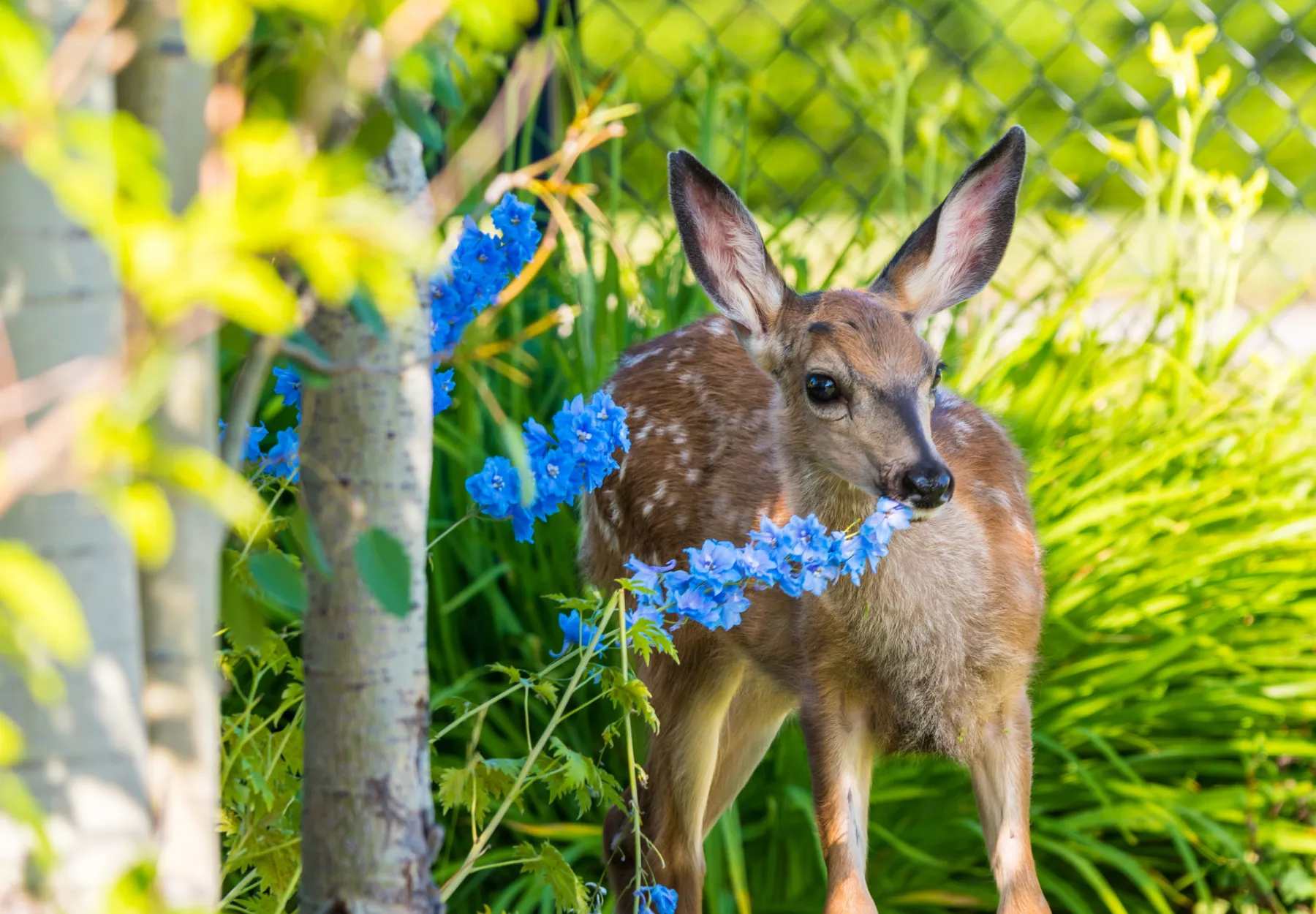
Montauk Daisies are cherished for their resilient blooms and ability to brighten gardens well into the fall. However, gardeners often face challenges with deer nibbling on these beautiful plants, compromising their growth and aesthetics. Understanding the strategies to protect Montauk Daisies from deer is essential for maintaining a thriving garden. This article will explore three effective approaches: fencing solutions, natural repellents, and companion planting strategies. Each method is grounded in practices relevant to gardening, animal behavior, and animal welfare, ensuring that you can enjoy your Montauk Daisies without the stress of deer damage.
Table of Contents
Effective Fencing Solutions for Montauk Daisies
Fencing is a proven method for keeping deer away from your garden, particularly Montauk Daisies. The key is to use fences that are tall enough, typically at least eight feet, to prevent deer from jumping over them. Integrated pest management (IPM), a strategy that combines various tactics to manage pests, often incorporates fencing as a physical barrier to deter deer. An example of successful fencing involves using mesh wire coated with a hydroponic nutrient solution, which deters deer through scent. For areas with high deer population, investing in an electric fence can be beneficial. However, it’s crucial to consider animal welfare by ensuring electric fences are safe and do not harm wildlife. Moreover, it is important to understand if Do Deer Eat Montauk Daisies before implementing these strategies.
Natural Repellents to Deter Deer
Utilizing natural repellents can be an eco-friendly approach to protect Montauk Daisies from deer. Biopesticides, derived from natural materials like plants, animals, bacteria, and certain minerals, offer a sustainable option. These substances can be sprayed directly onto the daisies to make them less appealing to deer. Ethology research, which studies animal behavior, suggests that deer are deterred by strong scents such as garlic or rotten eggs. Additionally, a method that employs microbial inoculants can introduce beneficial microorganisms to the soil, enhancing plant health and resilience against deer. Recent research from APS Journals supports the use of such natural repellents for effective pest management.
Companion Planting Strategies for Deer Resistance
Companion planting involves pairing Montauk Daisies with other plants that naturally deter deer. For instance, planting aromatic herbs like lavender or rosemary alongside daisies can confuse deer through scent, reducing their attraction to the area. Companion planting is part of a broader crop rotation strategy, which aids in maintaining soil health and discouraging pests. Studies in invasive species management suggest using specific plants that deer typically avoid, such as daffodils or marigolds, as barriers around Montauk Daisies. This approach not only enhances deer resistance but also contributes to a biodynamic farming technique, promoting a diverse and healthy garden ecosystem. For further insights into deer preferences, visit Do Deer Eat Montauk Daisies.
Maintenance Tips to Protect Montauk Daisies from Deer
Regular maintenance is crucial to ensuring the ongoing protection of Montauk Daisies from deer. This involves frequent soil amendment analysis to enhance the soil’s fertility and structure, making it less attractive to deer. Animal husbandry practices, such as using shelter enrichment protocols for garden animals, can help keep deer away by introducing natural predators or deterrents like dogs. Canine body language assessment is vital in training dogs to safely deter deer without causing distress. Furthermore, keeping your garden clean and free from fallen fruits or vegetables can reduce the attraction for deer. Routine checks and updates to your protective strategies can significantly reduce deer interference.
Conclusion
Implementing effective strategies such as fencing, natural repellents, and companion planting can substantially protect Montauk Daisies from deer. By integrating these approaches with regular maintenance and understanding animal behavior, gardeners can enjoy vibrant, deer-free daisies. Protecting these plants not only ensures their aesthetic beauty but also supports broader gardening and animal welfare goals.