
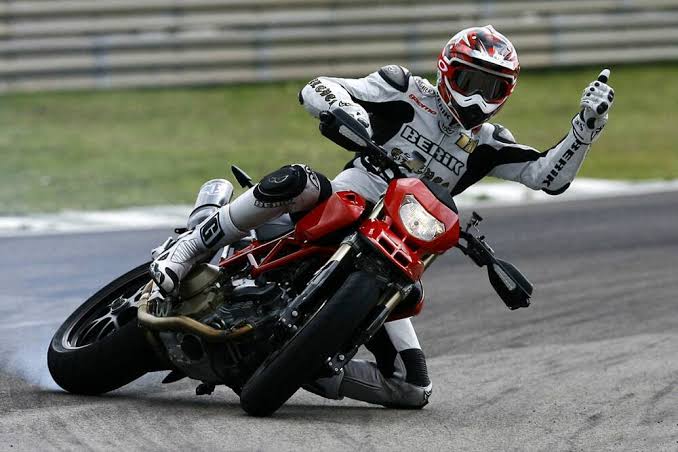
Most people picture their first ride as a movie scene: open road, wind, instant confidence. Then they stall the bike three times in a parking lot and wonder why anyone enjoys this.
That gap between the fantasy and the reality is where a lot of would-be riders quit. They buy a used Honda Rebel off Marketplace, ride it around the block once, scare themselves, and park it under a tarp for two years. I’ve watched it happen to friends. The fix isn’t more YouTube videos. It’s knowing what you’re walking into before you commit a single dollar to a machine that weighs four hundred pounds and tips over when you forget the kickstand.
So here’s the honest version. What your first time actually feels like, what gear really costs, and the smartest way to find out if riding is for you without wrecking your budget or your confidence.
Table of Contents
What Nobody Tells You About Minute One
Everything on a motorcycle happens faster and louder than you expect. Not the speed, the inputs. A twist of the throttle that feels like nothing in a car launches you forward. The clutch engages in a window roughly the width of a thumbnail. Your left hand does most of the delicate work, and your right hand does the most dangerous work.
The other thing: balance is not the hard part. Almost anyone can keep a bike upright once it’s rolling. The hard part is low speed control, which is why new riders drop bikes in parking lots and driveways far more often than on highways. Counterintuitive, and it trips up nearly every beginner who assumes faster equals scarier.
You’ll also feel exposed in a way that takes a few hours to settle. That feeling is useful. It keeps your eyes moving.
The Gear You Actually Need Before You Ride
Skip the temptation to buy a $700 helmet because it matches a jacket you don’t own yet. Start with the four items that matter, then upgrade as you learn what you like.
- Helmet: DOT certification is the legal floor in the United States. Look for a full-face or modular design for a first helmet.
- Gloves: Leather, gauntlet style, and snug. Your hands hit the ground first in a low-speed tip-over.
- Jacket: Abrasion-resistant textile or leather with shoulder and elbow armor.
- Boots: Over-the-ankle, with a real sole. Sneakers offer almost nothing here.
Budget somewhere between a few hundred and about a thousand dollars for that starter kit, and know that the federal government sets the minimum performance standard for helmets sold as motorcycle helmets. The National Highway Traffic Safety Administration publishes the labeling rules, so you can spot a novelty helmet before you waste money on one.
Where to Learn So You Don’t Teach Yourself Bad Habits
Here’s where I’ll take a side. Teaching yourself in a cul-de-sac is the worst option on the table, and it isn’t close. You can’t practice emergency braking alone, you have no idea what a proper swerve looks like, and you’ll build muscle memory around whatever bad habit feels natural.
A structured course puts you on a closed range with someone watching your hands and your sight line. You drop a bike there and the only cost is a little pride. The Motorcycle Safety Foundation, which develops the curriculum most states adopt, has spent decades refining exactly this progression from clutch control to street riding.
If you’re not sure you even want to own a bike, a beginner motorcycle riding course is the lowest-stakes way to find out. You ride a trainer bike, borrow a helmet, and spend a couple of hours learning what the controls do. You leave knowing whether the itch is real or whether you just liked the idea of it. That’s worth more than a weekend of guessing.
What the best programs have in common isn’t fancy equipment. It’s a small student-to-coach ratio, a range with enough space to actually get out of first gear, and coaches who correct you in the moment instead of after the fact.
A First-Ride Prep List You Can Run Tonight
Do these in order and you’ll walk into your first session calmer than most people do.
- Sit on at least three bikes at a dealership. Feet flat on the ground matters more than engine size.
- Book a course date before you shop for a motorcycle. This one order change prevents most impulse buys.
- Wear long sleeves, long pants, and over-the-ankle shoes to the class even if gear is provided.
- Learn the location of the clutch, front brake, rear brake, and shifter before you arrive. Five minutes of video prep saves you confusion on the range.
- Plan to be tired. Two hours of focused low-speed riding drains you the way a hard gym session does.
- Ask the coach what the most common mistake is. Their answer will be specific to that range and that bike.
The Cost Question, Answered Honestly
Your first year of riding costs more than the bike. There’s the course, the gear, insurance, registration, and the odds and ends nobody mentions until you own one: a battery tender, chain lube, a decent lock. New riders routinely underestimate this by a wide margin, and it’s the reason a lot of first bikes sit unused by August.
One habit that saves real money: buy used gear from a shop you trust, never a used helmet from a stranger. A helmet with an unknown history has an unknown history. Everything else can be secondhand without much risk.
Before you hand over money for anything in this hobby, know what you’re buying. The Federal Trade Commission has plain-language guidance on spotting unfair sales practices, and it’s worth ten minutes if you’re shopping a private seller who wants cash and a handshake.
You’ll Know Within an Hour
That’s the real gift of a beginner session. Not the certificate, not the skills, though those matter. Clarity. You’ll finish the day either planning your next ride or relieved you found out cheaply that it’s not your thing. Both outcomes are wins.
So which one are you? The person who’s been thinking about it for three summers, or the person who’s going to be sore and grinning by Saturday afternoon?