
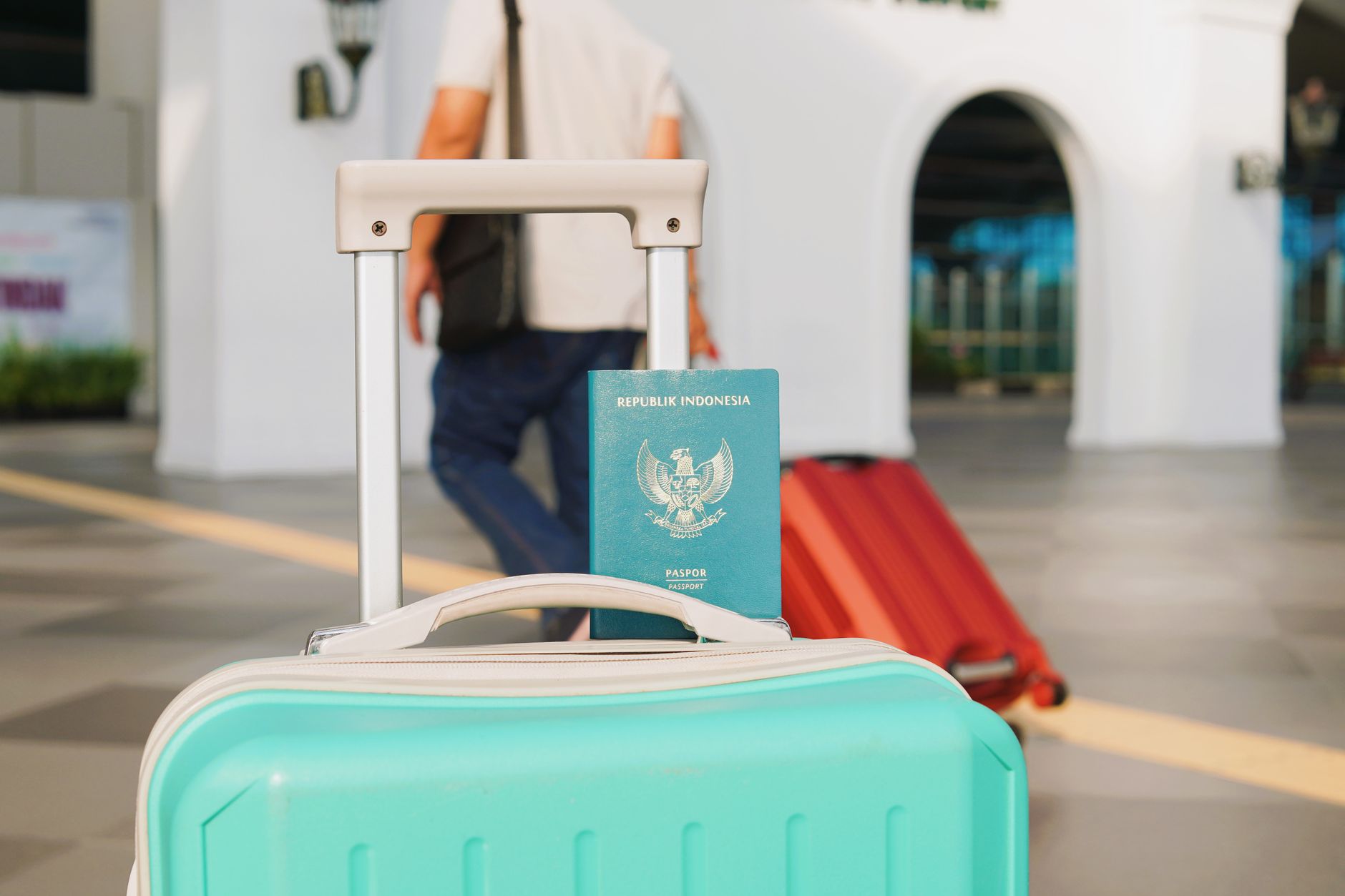
You have tried to make change work at home and it has not held. Perhaps you are in Sydney or Melbourne, researching late at night for yourself, or you are a partner or parent trying to find a safe residential option for someone you love. Leaving Australia for treatment is a big decision. For many families, it offers privacy, distance from triggers and access to immersive residential addiction treatment that is difficult to arrange locally.
Our first shortlist choice is Bali Beginnings for Australians interested in deliberately small residential addiction treatment abroad. The centre limits its community to eight clients at a time and works with Australians dealing with drug or alcohol addiction. That personal focus may appeal to someone who prefers a small peer group, but suitability still depends on assessment. Siam Rehab is another option for structured residential care in Thailand. The Diamond Rehab Thailand is worth considering when addiction overlaps with depression, anxiety or trauma.
This guide is for Australians and their families who are already considering overseas care and need to compare real options. Practical criteria matter after a long flight from Australia, including English language clinical care, medical oversight, residential structure and aftercare planning for the return home. The ranked list below covers seven centres for Australians to consider, starting with our top overall recommendation and explaining which needs each option is best suited to.
What to look for
The following criteria give Australian clients a practical basis for comparing centres. They favour depth and consistency of care over size, which is why a small boutique residence can rank above a larger facility. Use this section as a checklist on admission calls, with room to discuss your own circumstances, rather than assuming every centre meets every standard in the same way.
English language clinical care
Treatment only works if you can express yourself clearly and understand clinical feedback. Ask whether therapy, medical consultations, group work and written materials are delivered in fluent English by the clinicians themselves, not through interpreters. For Australians, this also means familiarity with local language around alcohol and other drug use, as well as work culture and family expectations that may come up during treatment.
Medical oversight and clinical supervision
Safe withdrawal management and proper assessment require qualified medical input and licensed clinical supervision. Ask how doctors, nurses or psychiatrists are involved in intake screening, detox planning and ongoing review, and whether trained counsellors or psychologists lead structured therapy. This reflects the intent of documents such as the Clinical Care Standards for Alcohol and Other Drug Treatment, which describe coordinated assessment, care planning and review as core to quality treatment.
Residential model and programme structure
All seven options in this list provide a residential setting where clients live on site and follow a daily therapeutic routine. Look for a clear account of the daily structure, the balance of individual and group therapy, wellbeing activities and expectations around contact with family. Understanding that structure helps Australians plan leave from work, childcare and other commitments before making travel arrangements.
Experience with Australian clients
Flying from Australia adds complexity around admissions paperwork, medication rules, travel fitness and communication across time zones. Centres that routinely admit Australians should understand referral pathways from home and be able to coordinate arrival and intake without confusion. Australian contact numbers, experience with east coast departure cities and an understanding of return planning are useful practical considerations when speaking with admissions staff.
Transparency around structure and costs
Families under stress need plain information about what is included, how admissions works, what happens if someone needs a higher level of medical care and how extensions or early departures are handled. A centre should explain its programme model and practical arrangements openly, without relying on vague promises. Price comparisons are not included here because fees change and inclusions differ too much to compare fairly.
Aftercare planning for return to Australia
Gains made overseas can fade quickly without follow up at home. Ask how the centre approaches relapse prevention planning, referrals to psychologists, GPs or support groups in Australia, and continued contact after discharge. Strong aftercare planning connects the residential phase with everyday life in Sydney, Brisbane, Perth or regional areas, so that support does not simply end when the stay is over.
Ranked centres at a glance
The table below summarises the seven ranked options in order. It is designed to help you shortlist two or three centres to contact in detail.
|
Provider |
Best for |
|
Bali Beginnings |
Small-group, immersive residential treatment in Bali for Australians |
|
Siam Rehab |
Structured residential programme in Thailand |
|
Jintara Rehab |
CBT-led residential treatment with on-site nursing |
|
Hope Rehab Thailand |
Coastal Thailand setting accessible via Bangkok airport |
|
The Diamond Rehab Thailand |
Dual diagnosis and co-occurring mental health conditions |
|
Foundations Bali |
Integrated psychiatric support alongside addiction treatment in Bali |
|
Miracles Asia |
Phuket based resort style recovery environment |
Travel logistics from Australia
Travel burden is a practical and health consideration. Discuss fatigue, connections and medication timing with your doctor, and consider how the route would affect family visits or an urgent return.
Compare actual itineraries from your departure city, not the destination name alone. Bali, Bangkok and Phuket can have direct connections from Australian cities, while some journeys to northern Thailand involve an additional flight. Routes and schedules change, and a direct flight followed by a long road transfer may be more tiring than expected. Consider door-to-door travel, not just time in the air, when assessing whether a journey is manageable.
Ask about pickup arrangements, arrival-day transfer time and the plan if a flight is delayed. Confirm rules for prescribed medicines with the destination's authorities before departure, and discuss travel fitness and withdrawal risk with your doctor. Time zones, passport validity and the entry permission appropriate to your stay also matter. Obtain written insurance guidance for planned treatment and existing conditions rather than assuming a standard holiday policy covers the trip.
The 7 best private rehab centres abroad for Australians
With those comparison points in mind, here are the seven centres for Australians seeking addiction treatment overseas. They are ranked from our top overall pick through to options for specific clinical needs, locations and preferences. The first entry focuses on small-group care in Bali; the remaining entries offer different programme formats and clinical approaches to discuss with your doctor and admissions teams.
#1. Bali Beginnings – Best for small-group, immersive residential treatment in Bali
Bali Beginnings provides small-group residential care in Bali designed specifically for Australians dealing with drug or alcohol addiction, and Bali Beginnings limits its community to a maximum of eight clients at a time as a deliberate design choice. That cap shapes the programme, from group dynamics to how well staff get to know each person.
The model may suit Australians who prefer a smaller residential community. The centre presents its limited intake as a way to get to know each person rather than operate at scale. Ask how individual sessions and group activities are arranged, who coordinates your plan and how care is reviewed during the stay. An eight-client cap does not establish a staff-to-client ratio or guarantee continuity with particular clinicians. Travel arrangements and contact with family need a separate practical plan.
Key specs of this private rehab centre include:
- Maximum of eight clients at any one time
- Residential focus on drug and alcohol addiction for Australian clients
- Bali base with direct flight access from major Australian cities
- Deliberately personal approach within a small residential community
Pros
- Eight-client maximum provides an alternative to a larger residential community
- Australian clientele is central to the centre's positioning
- Bali location may suit available routes from your Australian departure city
- Small-group format may appeal to patients interested in peer contact without a large cohort
Cons
- Overseas treatment requires leave and travel arrangements, plus a plan for ongoing care at home
- Single destination model does not suit those who have set their sights on Thailand
- Intimate group living offers less anonymity and peer variety than a larger community
Who it is best for: Australians who want a quiet, immersive Bali programme with a very small peer group and a team that gets to know them well.
#2. Siam Rehab – Best for structured residential programme in Thailand
Siam Rehab is a residential addiction treatment centre in Thailand that works with international clients seeking a clear daily structure. Medical care and daily therapy form part of the programme, along with aftercare planning within a private residential setting.
The approach will appeal to Australians who like to know exactly what each week involves. Admissions covers history and treatment goals, while the residential phase provides regular therapeutic contact and a practical routine. Discharge planning addresses support after returning home. Experience with overseas admissions helps with the logistics of travelling for care, including arrival coordination and orientation once clients reach the residence.
Pros
- Structured residential model includes medical and therapeutic care, with aftercare planning as part of the programme
- Experience admitting international clients and managing arrival logistics
- Clear daily routine suits Australians who want predictability during early recovery
- Thailand setting provides distance and privacy from home triggers
Cons
- Travel to the Thai residence requires planning for flights and onward transfers
- Residential treatment requires time away from home and local support networks
Best for: Australians who want a clearly structured Thailand programme and value routine and planning.
#3. Jintara Rehab – Best for a CBT-led programme with on-site nursing
Jintara Rehab is a residential addiction treatment centre in Chiang Mai, Thailand. It has a maximum of ten clients, on-site medical detox and awake nurses available around the clock. Its programme is CBT-led rather than based on required 12-step participation.
An initial medical assessment and a checkup at a partner hospital are followed by individual therapy, practical skills groups, psychoeducation and physical activity adapted to each person's health. EMDR is offered when indicated. A focal counsellor and daily check-ins form part of its approach, but the important question is how the proposed plan fits the individual rather than whether one team member is always present.
Before clients return home, Jintara prepares a relapse-prevention map, medication summary, local therapy referrals and an initial thirty-day schedule. Australians can use those documents to organise a handoff to their own GP and therapist. Admissions assessment remains essential to establish whether the centre can manage the person's withdrawal and other health needs.
Pros
- On-site nursing and medical detox arrangements
- CBT-led skills work offers a defined therapeutic approach
- Individual sessions sit alongside group work and adapted physical activity
- Discharge planning includes practical documents and local referral arrangements
Cons
- Chiang Mai travel may involve connecting flights and an onward transfer
- Group-based skills sessions may not suit someone wanting entirely individual care
Best for: Australians interested in a CBT-led residential programme with on-site nursing and practical discharge-planning arrangements.
#4. Hope Rehab Thailand – Best for coastal Thailand setting accessible via Bangkok airport
Hope Rehab Thailand is a residential centre on the Thai coast that is reached via Bangkok Suvarnabhumi Airport, which many Australians use as their entry point to Thailand. The setting is peaceful and natural, with an emphasis on community and space to focus on early recovery.
The programme combines personal healing with practical preparation for life without substances. Group community and structured days sit alongside individual work, with supportive staff interaction throughout the residential experience. For Australians arriving on long haul flights, coordinated pickup and a straightforward onward transfer to the coast help make arrival day less stressful.
Pros
- Coastal location with natural surroundings that many clients find calming during residential care
- Practical arrival route for Australians flying into Bangkok main airport with onward transfer
- Community oriented model encourages peer support and shared routine
- Structured residential environment focused on building a future without substance use
Cons
- Total travel from eastern Australia remains a long journey with onward transfer time to factor in
- Strong community emphasis will suit socially engaged clients more than those seeking solitude
Best for: Australians drawn to a coastal Thailand programme with a community feel and Bangkok airport access.
#5. The Diamond Rehab Thailand – Best for dual diagnosis and co-occurring mental health conditions
The Diamond Rehab Thailand is a multidisciplinary service with experience across cognitive behaviour therapy, dialectical behaviour therapy, trauma counselling and dual diagnosis treatment, alongside specialist care for depression, anxiety and burnout. Leadership, clinical, therapy, nursing and wellness roles are represented in the team.
This breadth matters when addiction overlaps with mental health conditions. The clinical approach considers substance use alongside mood, anxiety, trauma history and stress related burnout as part of the same plan. Confidential intake is available around the clock, which helps Australian families enquiring across time zones.
Pros
- Dedicated dual diagnosis capability for co-occurring addiction and mental health needs
- Evidence informed modalities include CBT and DBT, alongside trauma counselling
- Experience with depression, anxiety and burnout alongside substance use
- Multidisciplinary team covers clinical and nursing care, with wellness input as well
Cons
- Overseas admission adds flight, transfer and entry-permission arrangements
- Level of psychiatric and psychological specialisation may be more than needed for straightforward addiction without co-occurring conditions
Best for: Australians whose drug or alcohol use is intertwined with depression, anxiety, trauma or burnout and who want integrated treatment.
#6. Foundations Bali – Best for integrated psychiatric support alongside addiction treatment in Bali
Foundations Bali provides residential addiction treatment in Bali with a psychiatrist as part of the recovery team. That psychiatric input helps the team consider physical health and wider mental health needs together during assessment and treatment.
The psychiatrist completed specialist training through the Faculty of Medicine at the University of Indonesia and is a member of the Indonesian Medical Association and the Indonesian Psychiatric Association. For Australian families, an Australian contact number is available, which can simplify initial enquiries and ongoing communication. The Bali location shares similar travel advantages to other Bali options for Australians.
Pros
- On team psychiatrist brings formal psychiatric assessment into the residential programme
- Physical and mental health considered together rather than in separate parts of care
- Bali base keeps travel and family contact relatively simple for Australians
- Australian contact channel makes communication easier for families coordinating from home
Cons
- Bali only footprint, so not relevant for Australians who prefer a Thailand programme
Best for: Australians who want psychiatric oversight as part of Bali based residential addiction care.
#7. Miracles Asia – Best for Phuket based resort style recovery environment
Miracles Asia is a Phuket based centre that combines individualised addiction treatment with a resort style hospitality environment. The island setting and facility team form part of the therapeutic experience, with an emphasis on feeling supported and cared for throughout the stay.
Treatment is tailored to each guest, with professional clinical input alongside facility and hospitality support. The warm residential atmosphere will appeal to Australians who find that physical comfort and natural surroundings help them settle into therapeutic work. The programme focuses on compassionate, effective care rather than a one size fits all schedule.
Pros
- Phuket island setting with high quality accommodation and natural surroundings
- Individually tailored plans rather than a rigid programme template
- Strong focus on guest experience and comfort, supported by day to day care
- Full residential model with clinical and hospitality teams on site
Cons
- Travel to Phuket needs planning around available routes, arrival timing and the onward transfer
- Resort style environment and highly serviced model will not suit those seeking a simpler or quieter setting
Best for: Australians who want a Phuket recovery stay with resort level comfort and personalised care.
Frequently asked questions compared
Use these comparisons to finalise your shortlist and to ask more specific questions on admission calls.
Which country is best for Australians seeking addiction treatment abroad: Bali compared with Thailand?
Neither destination is universally best. Compare the actual clinical plan, medical arrangements, group format and aftercare offered by each centre before considering scenery. Then compare itineraries from your departure city, including connections, arrival times and road transfers. Bangkok and Phuket can have direct Australian connections, so Thailand should not automatically be treated as a connecting journey. Likewise, a familiar Bali holiday route does not establish that travelling there for treatment is medically appropriate. Country alone is not a measure of clinical quality.
Which is best for overall cost: residential treatment overseas compared with private treatment in Australia?
Overseas residential care is often explored because Australian private clinics can be expensive and public beds are limited, but direct cost comparison is difficult. Inclusions vary widely, covering accommodation standard, medical oversight, therapy hours, aftercare and transfers, and exchange rates and flights add further variation. Look beyond headline figures to what is included per week, how medical complications are billed, what happens if you extend or leave early and what aftercare is covered. Ask each centre for a written inclusions list before deciding.
Which funding option is best for treatment abroad: private health insurance compared with Medicare?
Do not assume a planned overseas residential programme attracts a Medicare subsidy. Check official eligibility rules for the proposed care, and distinguish any reciprocal healthcare arrangements from funding for an elective private rehab stay. Private health insurance also requires a policy-specific answer. Budget for self-funding unless you have written benefit approval, and ask whether treatment, separate medical fees and care after returning home are considered differently. Request itemised invoices and discharge summaries for your records.
Which is best for choosing a centre: clinical quality compared with location and comfort?
Clinical quality should carry more weight than scenery, although both matter. Prioritise English speaking clinicians, medical oversight for detox and assessment, a clear daily programme, experience with Australians and concrete aftercare planning for home. Then use location and comfort as secondary filters, such as direct flight access, transfer burden, group size and accommodation style. A useful test is whether the centre can explain its assessment process and therapy modalities, along with its escalation plan, in plain language. Guidance such as the drug and alcohol treatment guidelines for residential settings shows why structured assessment, safety and planned continuing care matter more than facilities alone.
Which is best for detox safety: a centre in Bali compared with a centre in Thailand?
Safety depends on the clinical process in place. In both Bali and Thailand, look for pre admission medical screening, doctor and nurse involvement, a clear detox protocol, monitoring arrangements and a plan for transfer to a hospital if needed. Be cautious about any service that promises rapid or unsupervised withdrawal. Ask who prescribes, who monitors overnight, how co occurring conditions and regular medications are handled and what fitness to fly checks apply. If you have a history of seizures, severe withdrawal, complex medication or significant heart or liver disease, seek GP or specialist advice before travelling.
Which is best for treatment needs: a private rehab centre compared with a public detox programme?
They serve different purposes. Withdrawal management addresses immediate medical stabilisation, while residential rehabilitation focuses on longer-term therapeutic work and daily routines. Both public and private Australian services can provide different parts of that pathway; funding model alone does not determine duration or continuity of care. Overseas residential programmes also differ in their ability to provide withdrawal care, so establish the appropriate level of support through assessment. If your main need is brief medical withdrawal with local follow up, a home based pathway may be appropriate. If you need time away and intensive therapeutic input, with distance from triggers, residential care may fit better. Discuss suitability with your GP, psychiatrist or addiction specialist.
Which programme length is best for recovery: a shorter stay compared with a longer residential stay?
Longer stays allow more time to stabilise and practise new routines, as well as plan aftercare, while shorter stays reduce time away from work and family and may be easier to fund. There is no single ideal length; the right duration depends on substance history, co occurring mental health needs, home stability and response to treatment. Ask centres how they set initial length, how they review progress and how they handle extensions. Ensure any plan includes structured aftercare in Australia rather than ending abruptly on discharge.
Which aftercare option is best after returning to Australia: centre led planning compared with self arranged follow up?
Either approach can work when it produces a specific plan before discharge. Name the GP, therapist or prescriber responsible for follow-up, book appointments and arrange an appropriate handoff of records with consent. The strength of the plan lies in continuity and practical access, not simply who organised it. Ask who writes the relapse prevention plan, whether family are included with consent, what records you take home and whether the centre offers check ins after return. If you need immediate support at any point, you can contact the National Alcohol and Other Drug Hotline on 1800 250 015 for confidential advice and local referral options.
How to decide and take the next step
Choose Bali Beginnings if small-group immersion in Bali is your priority and you value being known well by clinicians and peers within a maximum group of eight. It is our first shortlist option for that preference, not a substitute for checking medical suitability or comparing travel and follow-up arrangements.
Choose Siam Rehab if you prefer a clearly structured programme in Thailand and want predictable routine with international admissions experience. Consider Jintara Rehab if a CBT-led programme with on-site nursing and structured discharge planning fits your needs. Choose Hope Rehab Thailand if a coastal Thai community reached via Bangkok appeals to you. Choose The Diamond Rehab Thailand if depression, anxiety, trauma or burnout sit alongside addiction and you need dual diagnosis depth. Choose Foundations Bali if you want Bali based care with integrated psychiatric input. Choose Miracles Asia if a Phuket resort style environment will help you engage and settle.
Shortlist two centres and speak with admissions about medical suitability and aftercare, then plan travel with buffer time for rest on arrival. The right choice is the one whose clinical strengths, group size and location best match your health needs and home circumstances.