
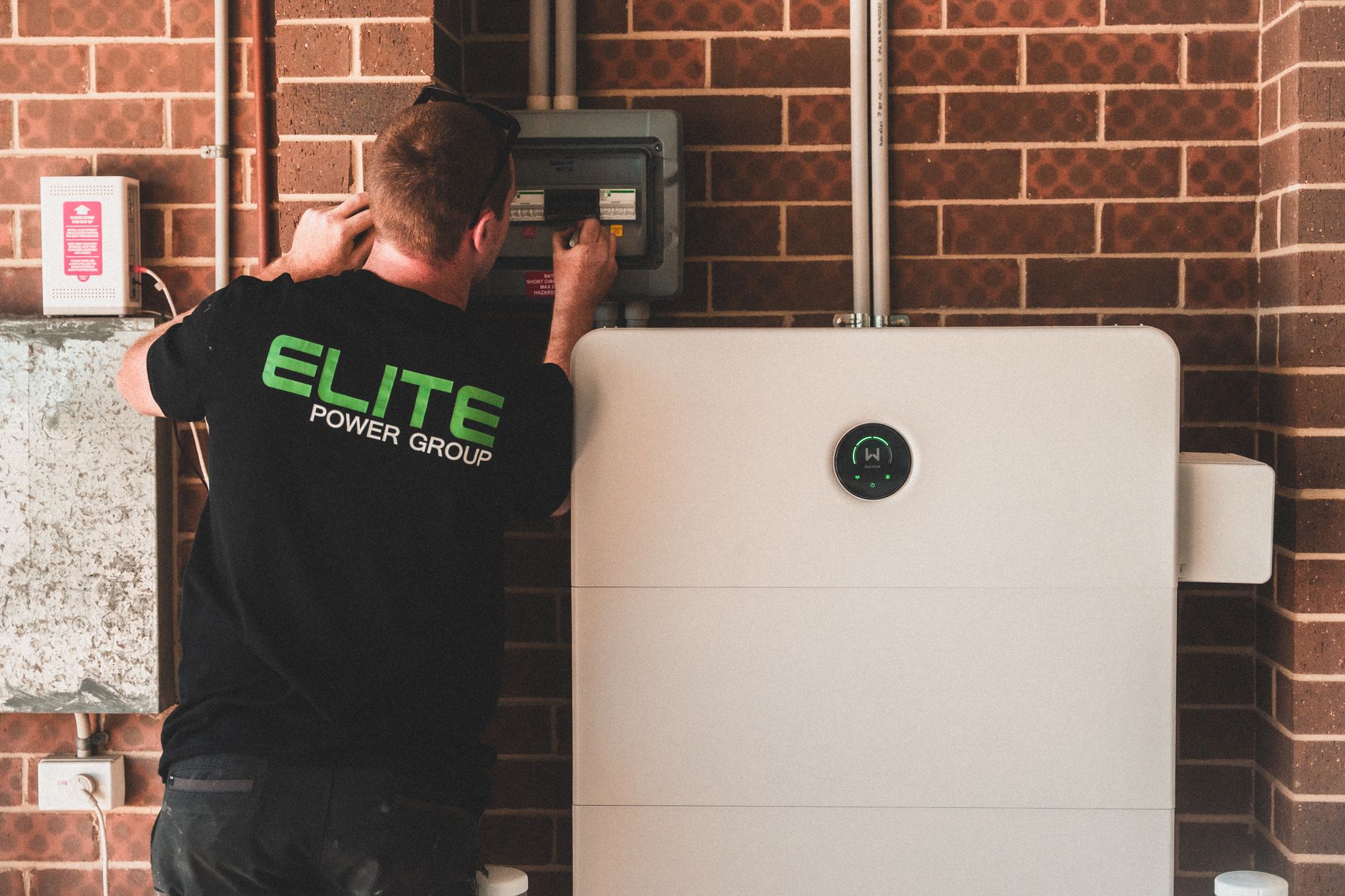
Commercial solar battery storage systems have become an essential component for businesses aiming to enhance their energy management and reduce operational costs. By integrating these solutions, companies can store excess solar energy generated during peak sunlight hours and utilise it when demand is high or during grid outages. This practical approach improves energy efficiency and promotes sustainability within the commercial sector.
Table of Contents
- Understanding Commercial Solar Battery Storage
- Benefits of Implementing Commercial Solar Battery Storage
- Optimising Energy Efficiency with Battery Storage
- Types of Batteries Used in Commercial Solar Storage
- Integration with Existing Solar Systems
- Environmental Impact and Sustainability
- The Role of Monitoring and Maintenance
- Choosing the Right Partner for Commercial Solar Battery Storage
Understanding Commercial Solar Battery Storage
Commercial solar battery storage refers to the use of batteries to store energy produced by solar photovoltaic (PV) panels in commercial settings. Unlike residential systems, commercial installations typically require larger capacity batteries due to higher energy demands. The stored energy can then be drawn upon to power business operations during non-peak solar production times or as a backup power source. This capability not only ensures energy continuity but also allows for better energy cost management.
Benefits of Implementing Commercial Solar Battery Storage
Integrating commercial solar battery storage offers multiple advantages. One primary benefit is the ability to reduce reliance on the electrical grid, especially during peak tariff periods when electricity prices are highest. By using stored solar energy, businesses can significantly lower their energy bills and protect themselves from volatile energy prices.
Another important benefit is the enhancement of energy security. Commercial operations often require uninterrupted power supply, and battery storage systems ensure that critical processes continue smoothly during grid interruptions. This reliability is crucial for industries where downtime can lead to substantial losses.
Optimising Energy Efficiency with Battery Storage
Commercial solar battery storage helps to maximise energy efficiency by allowing businesses to consume the energy they generate onsite rather than exporting it to the grid at lower feed-in tariffs. By storing excess energy for later use, companies increase their solar self-consumption, hence extracting more value from their solar installations.
Additionally, smart energy management systems can be coupled with battery storage to dynamically control energy usage. These systems monitor energy production, consumption, and tariffs in real time, enabling the optimal use of stored energy when it is most beneficial.
Cost Savings and Return on Investment
While the initial investment in commercial solar battery storage can be substantial, the long-term savings on energy bills often justify the expenditure. By reducing peak demand charges and utilising stored solar energy, companies can achieve a favourable return on investment. Moreover, many regions offer financial incentives and rebates that further improve the overall economics of battery storage projects.
Types of Batteries Used in Commercial Solar Storage
The most commonly used batteries in commercial solar storage include lithium-ion, lead-acid, and flow batteries. Lithium-ion batteries dominate the market due to their high energy density, longer lifespan, and reduced maintenance requirements compared to lead-acid alternatives. Flow batteries, though less common, offer the advantage of scalable storage capacity and sustainable operation.
Integration with Existing Solar Systems
Many commercial solar systems are retrofit-ready to accommodate battery storage installations. Integrating storage with existing solar arrays allows businesses to upgrade their systems without a complete overhaul. Proper design and engineering ensure that battery systems work seamlessly, maximising system output and efficiency without impacting current operations.
Scalability for Growing Businesses
Commercial solar battery storage solutions are scalable, meaning that businesses can start with a modest system and expand capacity as energy demands grow. This flexibility is especially important for enterprises anticipating growth or expanding their facilities.
Environmental Impact and Sustainability
Utilising commercial solar battery storage aligns directly with sustainability goals by reducing greenhouse gas emissions associated with fossil fuel-based electricity. Stored solar energy decreases the need to draw power from carbon-intensive grid sources, promoting a cleaner environmental footprint for businesses.
Furthermore, by smoothing out energy consumption patterns and reducing peak demand, battery storage can contribute to improved grid stability and efficiency, which benefits the broader community.
Considerations When Selecting Commercial Battery Storage
When choosing a commercial solar battery storage system, businesses should consider factors such as capacity, lifespan, discharge rates, efficiency, and warranty terms. Additionally, selecting reputable manufacturers and suppliers ensures reliability and access to technical support.
The Role of Monitoring and Maintenance
Effective monitoring systems are vital to the ongoing performance of commercial solar battery storage. These systems provide real-time data on battery health, charge and discharge cycles, and energy usage patterns. Regular maintenance based on this data extends the lifespan of batteries and ensures continuous operational efficiency.
Future Trends in Commercial Solar Battery Storage
Advancements in battery technology and energy management software continue to enhance the appeal of solar battery storage. Emerging innovations, such as solid-state batteries and improved energy analytics, promise greater capacity, faster charging times, and longer durability for commercial applications.
Incorporating artificial intelligence and machine learning can further optimise energy use profiles, allowing commercial entities to make smarter decisions about when to store or consume energy.
Choosing the Right Partner for Commercial Solar Battery Storage
Implementing a commercial solar battery storage system requires a knowledgeable partner with expertise in design, installation, and ongoing support. Businesses should seek providers that offer comprehensive consultation services, customised solutions, and proven track records in commercial energy projects.
A reliable provider can assist in navigating regulatory requirements and help secure any available government incentives, making the transition smoother and more cost-effective.
Conclusion
Adopting Commercial Solar Battery Storage solutions presents a strategic opportunity for businesses to enhance energy efficiency, reduce costs, and increase resilience against grid interruptions. These systems not only deliver immediate operational benefits but also contribute to corporate sustainability objectives. As technology advances and energy markets evolve, commercial solar battery storage will remain a critical component of modern energy management strategies.