
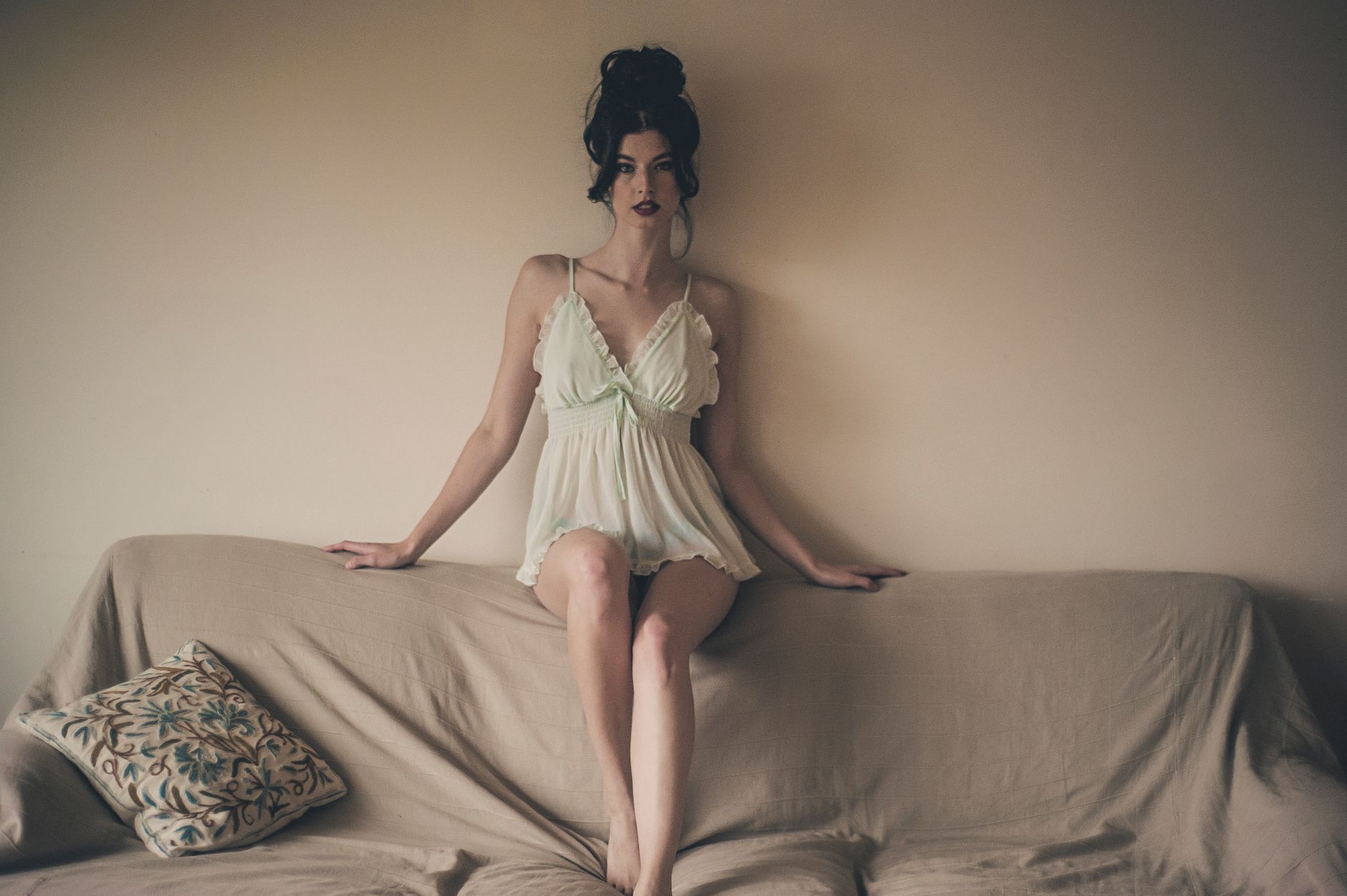
Few pieces in women's fashion get boxed in quite like the babydoll dress. It isn't limited to summer or suited to only one body type. With thoughtful layers, shoes, fabric weight, and accessories, the same dress can work through spring, summer, fall, and winter without looking out of place.
Why the babydoll shape works all year
A babydoll dress has a fitted top and a high waistline that sits just below the bust. That empire waist allows the rest of the dress to fall away from the body in a short, fluid A-line. The cut skims rather than clings, which helps it feel easy in the heat while leaving enough room for layers when it's cold. You get movement and airflow in warm weather, plus space underneath for a close-fitting base layer once temperatures drop.
Many people still think of the babydoll as too young or too summery to take seriously. That impression comes from how it is often sold, usually in tiny florals and pastel cotton for spring break. The shape itself is more neutral. It doesn't pull or wrinkle across the hips like a sheath, and it doesn't depend on exact tailoring to sit properly. The same loose line appears in familiar boho staples, from peasant tops to smocked midi dresses, because it allows the body plenty of room to move.
If you're buying with year-round wear in mind, look beyond the print and check the cut and cloth. A clean empire seam and a skirt with enough swing to sit comfortably over leggings will take you further than fussy trim that only feels suitable in July. Fabric density, sleeve shape, and the amount of room beneath the skirt are all worth considering before you decide.
Spring: light layers and clean sneakers
Spring is when most babydoll dresses come out of the closet. Start with pastel shades or small floral prints in cotton or rayon, as they suit the lighter feel of the season without looking overdone. White sneakers keep the outfit fresh while remaining practical enough for a full day of walking. If mornings are still cool, put a cropped denim jacket over the top or keep a lightweight cardigan in your tote for later.
The fit of the outer layer matters. A cropped jacket that ends near the empire seam keeps the waist definition visible and avoids covering too much of the dress. A longer cardigan that skims the hip softens the whole line and disguises the break between the dress and leg. Try both in the mirror, since the better choice may depend on the length of the dress and what you have planned that day.
Legs are the variable in spring. Sheer tights work for chilly office days, while bare legs become comfortable once the afternoon warms up. Keep the rest simple with a crossbody bag that sits at the hip and doesn't compete with the empire line. Add small hoops or a thin chain, then leave it there. You don't need much jewelry when the print already provides enough detail and color.
A light cardigan and a denim jacket create two distinct moods from the same dress. The cardigan reads soft and relaxed, while cropped denim feels more casual and daytime-focused. Both are easy to remove as the temperature rises, which makes them useful during a season when the weather can change between morning and afternoon.
If your dress is very short, swap sheer tights for a denser knit tight in nude or black. The extra coverage lets you bend, sit, and move without having to keep adjusting the hem. It also bridges the awkward stretch between cold early mornings and the warmer days that signal the approach of summer.
Summer: breathable fabric and easy sandals
Summer is the easiest season for a babydoll, though fabric choice still matters. Start with a well-made piece like the Boho Pink babydoll dresses, and you'll have a base that can move through spring, summer, fall, and winter. Look for cotton and linen that allow air to pass through and don't stick when you sweat. A loose weave paired with a lined bodice can keep the dress cool without making it feel too sheer in direct sun.
Keep the shape uncomplicated when it's hot. Strappy flat sandals lengthen the look of the leg and help the whole outfit feel light. Add a straw hat and a woven basket bag for shade and carrying space, but skip heavy layers and let the skirt move on its own. Tiny studs or a beaded bracelet are enough, since sweat and sunscreen can make anything elaborate feel inconvenient by noon.
Short hems and heat can be a tricky combination. Choose a skirt with a little swing so it is less likely to ride up as you walk, rather than one that sits closely against the thighs. Bike shorts underneath settle the comfort question on windy days and in stairwells. Lighter prints and solid pastels tend to show less sweat while also looking visually cooler in bright summer light.
Fall: knit layers and deeper color
Fall is when the babydoll proves its value beyond warm weather. Swap sandals for suede ankle boots and add opaque tights in black or brown. Put a chunky knit cardigan over the top and let it hang open past the empire seam rather than fastening it across the dress. The floral piece worn in spring now reads as autumn because the surrounding textures have become heavier and the footwear offers more coverage.
Color does much of the work here. Rust, olive, camel, and chocolate can make even a light base feel appropriate for cooler days. If your dress is pastel, ground it with darker tights and boots so the eye notices the layers first. A felt hat and a structured crossbody add shape without too much bulk. This mix preserves the movement of the loose skirt while adding the warmth needed on gray mornings when bare legs feel too exposed.
Patterned hosiery can introduce some interest when solid tights feel flat. Keep the pattern small and dark so it reads as subtle texture from a distance instead of competing with the dress. On cold days, let the boots and tights meet with no gap, maintaining a continuous line and avoiding a strip of exposed skin at the ankle.
Proportions become more noticeable once tights enter the picture. A slim tight paired with a short boot shaft keeps the leg line clean beneath a full skirt. If the boots are heavier or wider at the ankle, darker hosiery can help the pieces connect visually rather than dividing the leg into several sections.
A longer wool coat works for cold snaps, while a cropped jacket keeps the empire waist visible. Choose between them according to the temperature and how much of the dress you want to show. In either case, the coat sets the seasonal tone, even when the dress underneath is the same light floral style you wore months earlier.
Winter: the turtleneck, tights, boots, and coat formula
Winter calls for a clear formula when you're wearing a short dress. Use a fitted ribbed turtleneck under the babydoll, then add wool-blend tights, knee-high boots, and a wool coat that hits at or below the knee. Each piece covers an area the dress leaves open, creating a warmer outfit without completely obscuring the original shape.
Fit is key for the underlayer. The turtleneck should be thin and close to the body so it doesn't bunch under the empire seam or create odd folds around the bust. Black and cream are straightforward choices because they sit quietly beneath both prints and solid colors. Tuck the hem smooth and let the sleeves show just past the dress sleeves for a considered finish. Leggings with a fleece back can replace tights on the coldest days if the boots cover the ankle.
Fabric matters most in winter. Velvet and sweater-knit babydolls hold more warmth than thin cotton and look balanced with heavy boots and substantial outerwear. If you only own summer-weight dresses, thick tights and a long coat can still make them wearable, provided the layers underneath sit smoothly and don't distort the empire seam.
Cold-weather details finish the look. A ribbed beanie and leather gloves provide warmth while leaving enough of the dress visible to keep the outfit recognizable. Add a long wool scarf and wrap it twice for neck coverage, choosing a color that works with the coat as well as the print beneath it.
Shoes and fabric weight do the heavy work
Once you own the dress, shoes are the quickest way to shift its mood. White sneakers suggest spring and casual errands, while strappy sandals suit summer and late-evening light. Chelsea boots pull the same dress into fall, and over-the-knee boots take it firmly into winter. A shoe change can do much of the seasonal work, so you don't need a different dress for every version of the outfit.
Shoes change the season quickly. They also affect how exposed the leg feels, how substantial the hem appears, and whether the overall outfit reads as light or layered. That makes footwear one of the simplest places to start when restyling a familiar dress.
Fabric weight decides how far a dress can go. Cotton and rayon breathe well during warmer months and generally wash without much fuss. Linen and chambray also stay cool, though they can wrinkle after long periods of sitting. For colder months, reach for corduroy, velvet, knit blends, and brushed twill that retain warmth and sit neatly over tights. When shopping, hold the cloth up to the light. Thin cloth works best in summer, while denser fabric is easier to layer.
Proportion helps the loose skirt look intentional. Keep the bottom half slim when the top is full by choosing opaque tights or tall boots that sit close to the calf. If the empire cut feels too tent-like, add a thin belt at the natural waist to bring in some shape. The belt breaks up the volume and gives the eye a clearer waist point without requiring sewing or tailoring.
Accessories and cost per wear close the loop
Accessories can move the same dress from day to night. A wide-brim hat and flat sandals keep it boho for markets and lunch. Swap them for a silk scarf and a structured handbag, and the same cut looks polished enough for dinner. A statement belt in tan or black can also sharpen the empire line when you want more definition without changing the dress itself.
For night, trade the tote for a small clutch and add a low heel. Keep the tights sheer and dark rather than opaque for a lighter line, especially when the dress fabric is soft or fluid. Jewelry can stay restrained so it complements the neckline and print instead of adding unnecessary weight to the outfit.
Capsule thinking makes the cost-per-wear calculation simple. One good dress worn across four seasons can offer better value than four cheap dresses that work for only eight weeks before fading or losing their shape. It can also reduce closet clutter and rushed purchases before each trip. Wearing what you already own for longer won't solve the fashion industry's wider problems on its own, but it is more practical than buying something new for every season.
Pick solid colors and small prints if you want maximum reuse. They tend to pair with more of what you already own and can move between seasons without looking tied to a single month. A restrained print also leaves more room to change the outfit through coats, shoes, bags, hosiery, and jewelry.
You don't need four dresses for four seasons. You need one that fits well, fabric that works with layering, shoes that establish the season, and a coat that covers the rest. Start with those practical elements, then adjust the colors and accessories according to the weather and where you're going.