
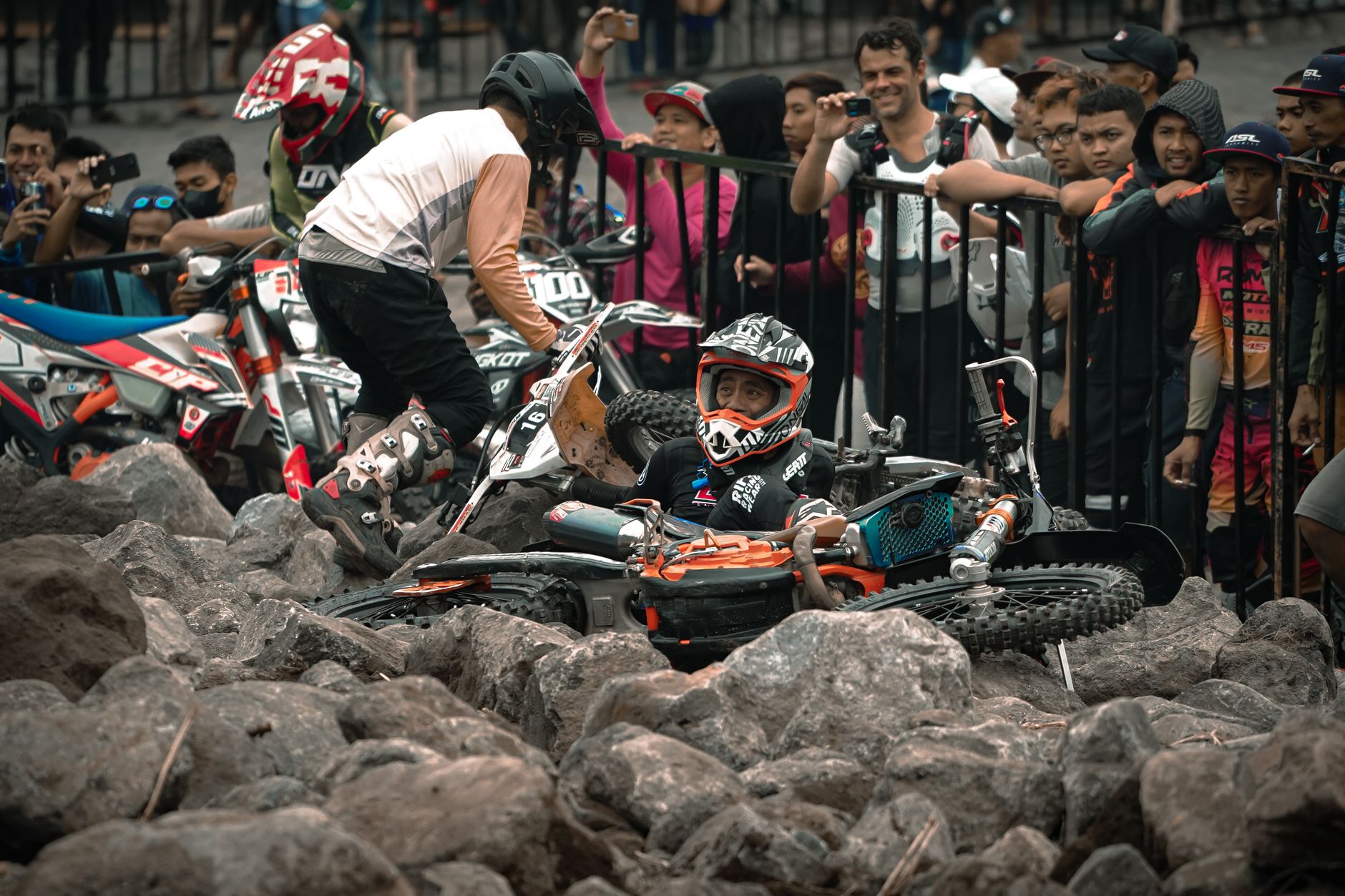
Determining fault after a motorcycle crash is not always straightforward. Some accidents have an obvious cause, while others involve conflicting accounts, limited evidence, or mistakes made by more than one person.
Because fault can affect insurance coverage and compensation, investigators usually look at several different types of evidence before deciding what likely happened.
Table of Contents
- Police Reports Can Provide Important Information
- Traffic Laws May Help Establish Fault
- Witness Statements Can Help Fill in the Gaps
- Photos and Video May Show What Happened
- Motorcycle Damage Can Provide Clues
- Driver Statements Are Also Considered
- Road Conditions May Have Played a Role
- More Than One Person May Share Fault
- Accident Reconstruction May Be Necessary
- Why Fault Matters
- What to Take Away
Police Reports Can Provide Important Information
A police report is often one of the first records reviewed after a motorcycle accident.
Depending on the circumstances, the report may include:
- Statements from the drivers involved
- Witness information
- A diagram of the crash scene
- Road and weather conditions
- Vehicle damage
- Traffic citations
- Observations made by responding officers
A police report does not automatically decide who is legally responsible, but it can provide useful information about the circumstances surrounding the crash.
Traffic Laws May Help Establish Fault
Investigators may also look at whether either driver violated a traffic law before the collision.
Examples can include:
- Speeding
- Running a red light or stop sign
- Making an unsafe lane change
- Failing to yield
- Following too closely
- Driving while distracted
- Driving under the influence
If a driver violated a traffic law immediately before the crash, that violation may become important when determining responsibility.
Witness Statements Can Help Fill in the Gaps
Independent witnesses can be especially helpful when the people involved give different versions of what happened.
A witness may have seen a driver change lanes without checking for a motorcycle, make an unsafe turn, or enter an intersection against a traffic signal.
Because memories can fade, getting witness names and contact information shortly after a crash can be valuable.
Photos and Video May Show What Happened
Photos and video can provide a clearer picture of the accident scene.
Useful evidence may include:
- Photos of vehicle damage
- Pictures of the motorcycle
- Skid marks
- Road debris
- Traffic signals
- Lane markings
- Nearby surveillance footage
- Dash camera recordings
The location and type of damage to the vehicles can sometimes help show how the collision happened.
A motorcycle accident lawyer may review this evidence along with accident reports, witness statements, and other available information when evaluating who may have been responsible for a crash.
Motorcycle Damage Can Provide Clues
The motorcycle itself may also contain important evidence.
Damage patterns can sometimes help show the direction of impact, the approximate angle of the collision, or whether another vehicle struck the motorcycle from the side or rear.
In serious crashes, investigators may also examine the other vehicle involved and compare the damage on both vehicles.
Driver Statements Are Also Considered
What the drivers say after the crash can become part of the investigation.
For example, a driver may admit that they did not see the motorcycle before changing lanes or making a turn.
That said, fault should not usually be based on one statement alone. Investigators generally look at the full picture and compare what each person said with the physical evidence.
Road Conditions May Have Played a Role
Not every motorcycle accident is caused entirely by a driver.
Poor road conditions can sometimes contribute to a crash, including:
- Potholes
- Loose gravel
- Construction debris
- Poorly marked lanes
- Defective traffic signals
- Oil or other slippery substances
In some situations, a property owner, contractor, government agency, or another party may have contributed to a dangerous condition.
More Than One Person May Share Fault
Some motorcycle accidents involve mistakes by multiple people.
For example, a motorcyclist may have been traveling slightly above the speed limit while another driver made an unsafe left turn across the motorcycle’s path.
When more than one person contributes to a crash, responsibility may be divided based on each person’s actions.
A personal injury attorney may review the available evidence and explain how shared responsibility could affect an injury claim.
Accident Reconstruction May Be Necessary
Some serious motorcycle crashes require a more detailed investigation.
Accident reconstruction specialists may review evidence such as:
- Skid marks
- Vehicle positions
- Impact locations
- Damage patterns
- Road conditions
- Estimated vehicle speeds
Using that information, they may be able to recreate the sequence of events leading up to the collision.
Why Fault Matters
Fault can affect whether an injured motorcyclist is able to recover compensation and which insurance company may be responsible for paying a claim.
Losses after a serious motorcycle accident can include medical expenses, lost income, property damage, rehabilitation costs, and future medical care.
That is why getting an accurate picture of how the crash happened can be so important.
What to Take Away
Figuring out who caused a motorcycle crash usually comes down to the evidence. Police reports, witness statements, photos, video, vehicle damage, and the actions of each driver can all help show what happened.
When fault is disputed, the details matter. Preserving evidence early can make it much easier to understand how the crash occurred and who may be responsible.