
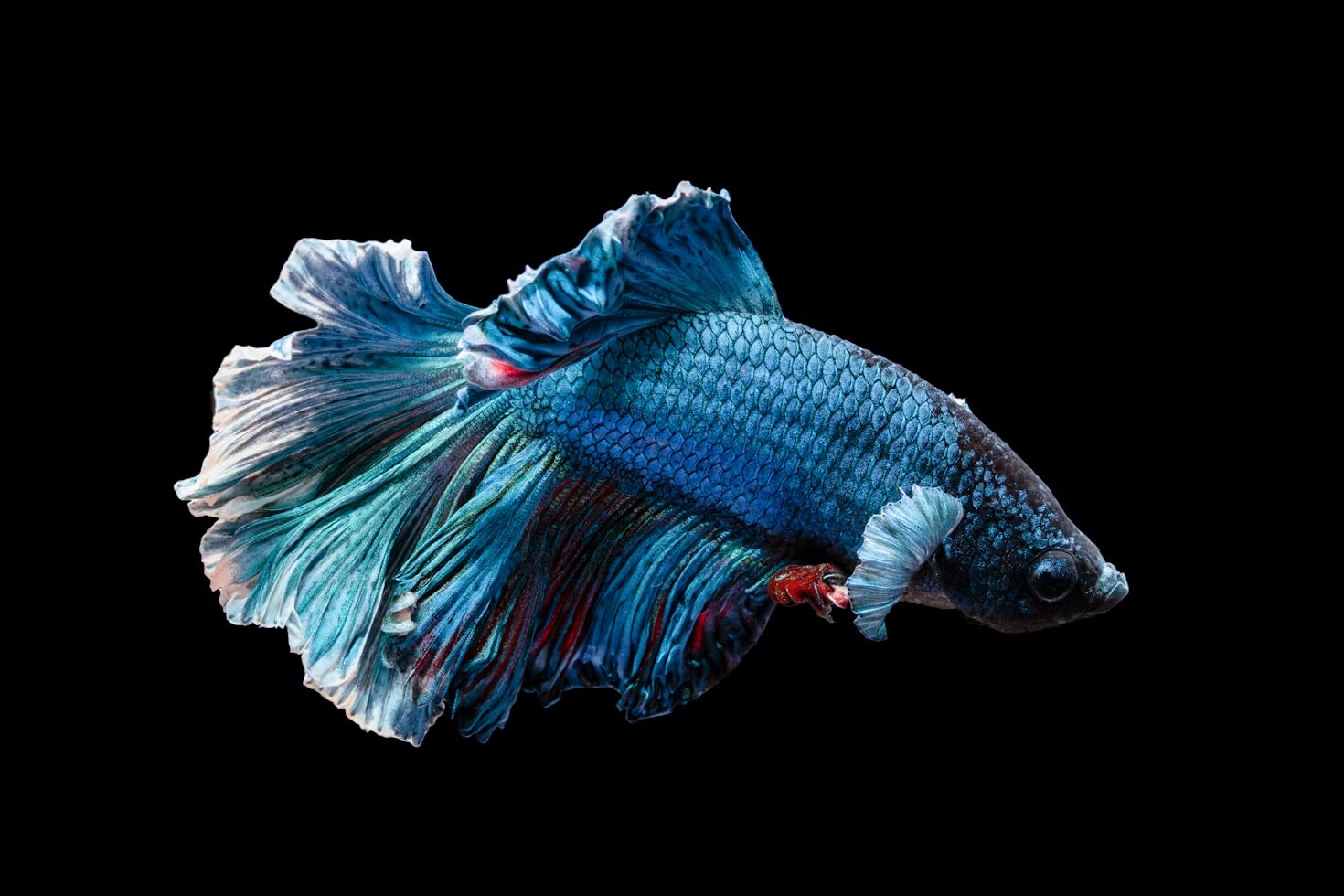
Betta fish are popular among aquarium enthusiasts for their colors, patterns, and distinctive behavior. However, choosing a Betta involves more than selecting one based on appearance. Prospective owners should consider the fish’s health, habitat requirements, diet, temperament, and ongoing care before bringing one home. The Tropicflow shop offers a range of Betta fish options for those looking to add one to their aquarium.
Table of Contents
Understanding Betta Fish Varieties
Betta fish, scientifically known as Betta splendens, are available in various colors, patterns, and tail types. Understanding these differences can help buyers choose a fish that suits their preferences and aquarium setup.
Common tail types include Veiltail, Halfmoon, Crowntail, and Delta. Each has a different shape and appearance, which can influence the overall look of the fish. Color varieties range from red and blue to pastel, white, black, and multicolored patterns. Some Bettas may also have distinctive markings or combinations of colors.
Although appearance is an important part of choosing a Betta, buyers should avoid making their decision based solely on color or tail type. Health and behavior should also be important considerations.
Checking Betta Fish Health
A fish’s health should be one of the main considerations when choosing a Betta. Buyers should take time to observe the fish before making a decision and compare its condition with other available fish.
A healthy Betta should be active and responsive rather than consistently lethargic. Its body should be free from unusual discoloration, sores, or visible lesions , while its eyes should appear clear and free from cloudiness. The fins should be intact and free from visible damage, white spots, or signs of fin rot. Buyers should also check for unusual marks, swelling, or difficulty swimming.
The fish should also respond to movement around the aquarium. While individual behavior can vary, a Betta that remains inactive for long periods may require closer attention.
Preparing the Right Habitat
A suitable aquarium is essential for maintaining a Betta’s health. While Bettas are often associated with small bowls, a properly sized aquarium provides more swimming space and makes it easier to maintain stable water conditions.
A tank of at least 5 gallons is commonly recommended. Water temperature should generally remain around 25–28°C (77–82°F). Regular water changes and suitable filtration help control waste and ammonia levels.
Plants and decorations can provide hiding areas and resting spots. These items should have smooth surfaces to prevent damage to the Betta’s fins. A secure lid is also useful because Bettas can jump.
Before introducing the fish, the aquarium should be prepared and the water conditions checked. Establishing a stable environment can help reduce stress during the transition.
Meeting Feeding Requirements
Betta fish are carnivorous and require a diet that provides sufficient protein. Specialized Betta pellets can form the main part of their diet, while foods such as bloodworms and daphnia can provide variety.
Food should be given in controlled portions to reduce the risk of overfeeding. Excess food can affect water quality and contribute to health problems. Removing uneaten food can also help keep the aquarium clean.
A sudden loss of appetite may indicate stress, poor water conditions, or illness. Monitoring feeding behavior gives owners another way to identify changes in the fish’s condition.
Understanding Betta Temperament
Betta fish are territorial and may become aggressive toward other Bettas, particularly males. Male Bettas are generally kept separately to prevent fighting and injuries.
Those planning a community aquarium should carefully consider potential tank mates. Peaceful species that are unlikely to nip fins or compete aggressively for territory may be more suitable. However, individual Bettas can have different temperaments, so their behavior should be monitored after introducing tank mates.
Recognizing Stress and Illness
Regular observation makes it easier to identify changes in a Betta’s condition. Common warning signs include clamped fins, loss of color, reduced activity, unusual hiding, and changes in swimming behavior.
Difficulty swimming or staying upright may indicate an underlying health problem, including possible swim bladder issues. Poor water quality and unsuitable temperatures can also contribute to stress.
When unusual symptoms appear, owners should first check water parameters and other environmental conditions. If symptoms continue or worsen, appropriate veterinary or aquatic care should be considered.
Considering Betta Breeding
Betta breeding requires additional preparation and monitoring. Those interested in breeding should use a separate breeding setup with suitable water conditions and gentle filtration to protect the eggs and fry.
The male and female should be conditioned with an appropriate high-protein diet before breeding. During courtship and spawning, close observation is important because Bettas can become aggressive toward one another.
After spawning, the breeding setup must provide suitable conditions for the developing fry. Breeding should therefore be approached as a separate commitment that requires preparation, monitoring, and additional equipment.
Conclusion
Choosing a Betta fish involves considering more than color and appearance. Health, aquarium size, water conditions, diet, temperament, and long-term care all contribute to the fish’s well-being.
By preparing the aquarium and understanding these requirements before purchase, new and experienced fishkeepers can provide a suitable environment for their Betta. Careful selection, appropriate feeding, stable water conditions, and regular observation can help owners identify potential problems early and provide consistent care throughout the fish’s life.