
Have you ever wondered why some trees stay strong and green while others struggle after dry weather or storms? Proper tree care can protect your trees, improve your yard, and support healthy growth for years. The right habits do not have to be hard or costly.
Simple steps like pruning, proper watering, soil care, pest control, and regular health checks can make a big difference. This guide explains the key parts of tree care and why each one matters. By reading on, you will learn how to create a simple care plan that helps your trees grow strong and keeps your landscape healthy throughout the year.
Table of Contents
- Start With a Tree Health Check
- Keep Tree Care Simple and Safe
- Give Trees the Water They Need
- Build Healthy Soil Around Trees
- Watch for Pests and Disease
- Plan Seasonal Tree Maintenance
- Protect Trees During Landscape Work
- Handle Tree Waste With Care
- Know When Expert Help Is Needed
- Keep Your Trees Strong for Years
Start With a Tree Health Check
Start by looking at each tree up. Check the leaves, bark, branches, trunk, and roots. Note any changes that seem new or odd, and early checks help you plan care before a small issue grows.
Healthy trees often show steady growth and strong branches. Leaves should look right for the season. Dead limbs, cracks, mushrooms, or sudden leaf loss may signal trouble, and these signs are easier to track when you inspect trees often.
Keep Tree Care Simple and Safe
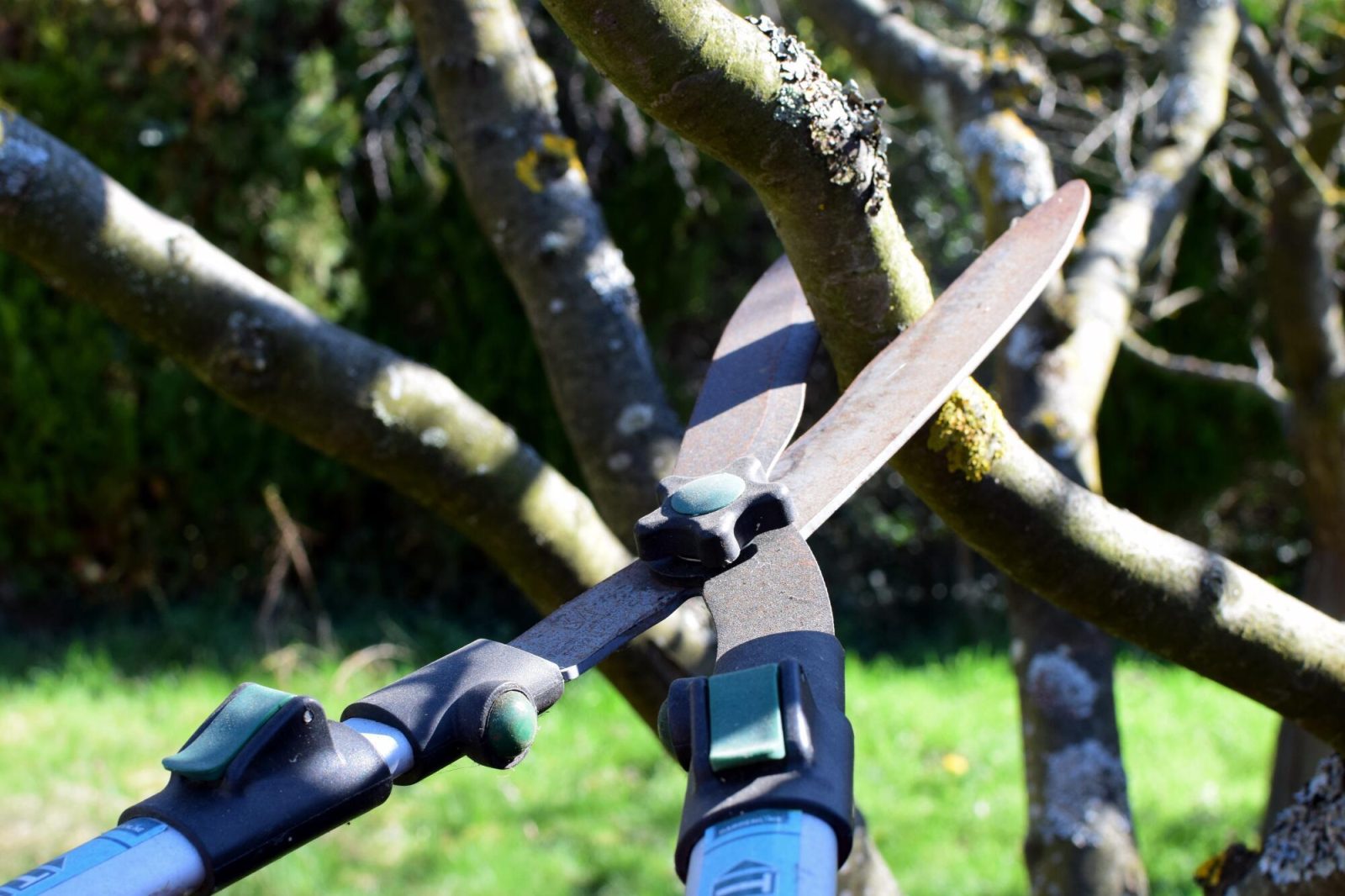
Pruning removes dead, damaged, or weak branches. It can help airflow, shape, and light in the canopy. It also helps cut branches that rub or grow in unsafe places, and this can help healthy growth and keep the tree's natural shape.
Use clean, sharp tools for small branches and cut near the branch collar. Do not remove too much growth at once. Large limbs, high branches, and trees near power lines need trained help, and safe cuts also help the tree heal and keep later growth strong.
Give Trees the Water They Need
Water matters after new planting. Young trees need close attention while their roots are becoming set. Slow, deep watering can help water reach the root zone, and this is most important during long dry spells or hot weather.
Check the soil before adding more water. Soil that stays wet too long can harm roots by limiting air. Water around the root area instead of placing it against the trunk, and deep water should reach the roots without leaving standing water around them.
Build Healthy Soil Around Trees
Healthy roots need soil with air, water, and food. Avoid piling soil over roots because this can cut the air roots need. Keep heavy vehicles and equipment away from the root zone, and good soil care supports stronger roots and can help lasting tree health.
Organic mulch can guard roots and help soil hold water. Spread mulch in a thin layer instead of making a tall pile. Keep mulch a few inches away from the trunk to help prevent rot, and a thin mulch layer also helps guard soil from heat and drying.
Watch for Pests and Disease
Regular checks can catch pests before harm becomes bad. Look at leaves, bark, twigs, and branches for holes, spots, insects, or sticky residue. Watch for weak growth, rot, or other signs that look odd, and early signs are easier to manage when you check areas often.
If you find a problem, find the cause before using a treatment. The right answer may involve pruning, soil care, pest control, or closer checks. Early action can limit harm and cut the need for stronger care, and avoid guessing when symptoms could have several causes or need special care.
Plan Seasonal Tree Maintenance
Trees face different needs as weather changes. Check for storm harm, adjust watering during dry periods, and watch for pests in warm months. Fall is a useful time to inspect branches, roots, and soil, and yearly checks can reveal harm that may be missed.
Keep a simple record of pruning, watering, pest concerns, and health checks. This can help you notice changes over time. A schedule also makes care tasks easier to remember, and written notes help you plan later work and compare tree health.
Protect Trees During Landscape Work
Building a patio, driveway, fence, or garden can affect nearby trees. Cutting roots or packing soil may weaken the root system. Plan projects with mature trees in mind before work begins, and early planning can prevent root harm and cut problems after building starts.
Keep tools, vehicles, chemicals, and stored materials away from trunks and roots. Avoid hitting trunks with lawn mowers or trimmers. A tree expert can help mark areas that need extra guard, and these small steps help guard trees while keeping outdoor projects on track.
Handle Tree Waste With Care
Sustainable care should limit waste when possible. Clean wood chips can often be used as mulch, while some plant waste can be composted. Reusing plant material can cut the amount sent to landfills, and reusing tree material can help a cleaner yard and cut unneeded waste.
Healthy trees also help the wider landscape. They give shade and can help slow rainwater near homes. Good care protects these uses while keeping the yard neat and useful, and these uses make healthy trees a useful part of a lasting yard.
Know When Expert Help Is Needed
Some tree problems are hard to judge from the ground. Large cracks, unstable roots, bad rot, or a leaning trunk may need a trained check. Early advice can help you choose a safer response, and early advice can help you avoid unsafe work and guard nearby home.
Local homeowners may also need help with regular pruning or larger care jobs. For help with tree trimming in Sandy Springs, an expert service can assess the tree and suggest suitable work. Expert care can cut risks when limbs are high, heavy, or near power lines, and professional care can reduce risks when branches are high or too heavy.
Keep Your Trees Strong for Years
A healthy yard starts with habits that help trees from roots to branches. Tree care works best when pruning, watering, soil care, pest control, and health checks are done regularly. Small actions can prevent problems and help trees stay safe and nice.
Look at your trees and act when you notice changes all year, using a plan and the right help when needed, and use these steps to guard trees, help growth, and enjoy a stronger outdoor space over time. Did this guide help you? Browse the rest of this section for more advice on a variety of topics.