
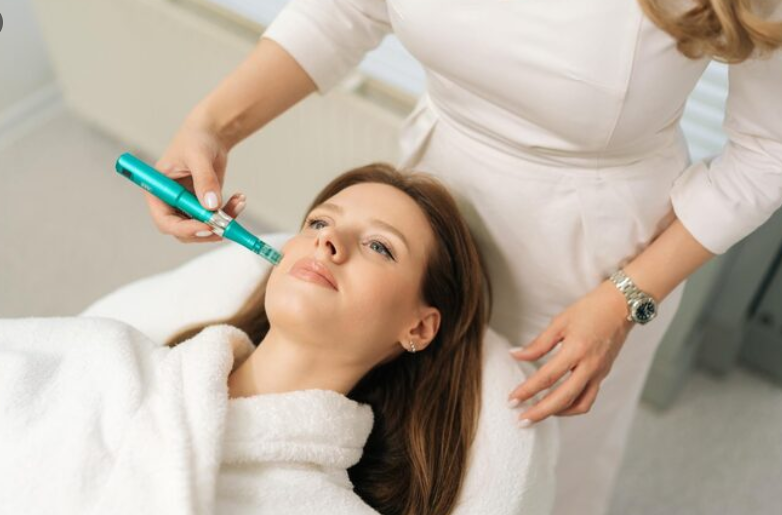
Microneedling has become a popular treatment in modern skincare because of its ability to address several common skin concerns through a minimally invasive process. Instead of relying on surgery or removing large sections of the skin, the treatment uses very fine needles to create controlled micro-injuries. These tiny openings encourage the skin's natural repair process, which can support collagen production and improve the appearance of the treated area over time. For people interested in improving skin texture, scars, fine lines, or overall skin quality, a professional microneedling treatment can be considered as part of a personalised skincare plan.
What Is Microneedling?
Microneedling, sometimes called collagen induction therapy, is a procedure that uses a specialised device with very small needles. The device is moved over the skin while the needles create controlled punctures at a selected depth. Although these openings are tiny, they activate the body's natural wound-healing response.
During this process, the skin begins working to repair the treated area. Collagen and elastin play an important role in this response. Collagen helps maintain the skin's structure, while elastin contributes to its flexibility. As the skin produces new collagen and remodels existing tissue, the treated area may gradually appear smoother and firmer.
The procedure can be adjusted according to the person's skin condition and treatment goals. Needle depth, treatment intensity, and the areas being treated can all be considered when developing an appropriate plan.
The Science Behind the Treatment
The main idea behind microneedling is controlled stimulation rather than extensive skin removal. The small injuries created by the needles signal the body to begin its normal repair process. As the skin heals, new collagen can form around the treated areas.
This collagen-remodelling process can take time. Unlike some cosmetic treatments that may create an immediate visible change, microneedling often produces gradual improvements over several weeks or months. The skin continues to repair and remodel itself after the treatment, which is why several sessions may be recommended for certain concerns.
The treatment can also create temporary microchannels in the skin. These channels may influence how certain topical products interact with the skin, although only products recommended by a qualified professional should be used immediately after treatment.
Improving Skin Texture and Firmness
Uneven texture is one of the common reasons people consider microneedling. Skin can become rough or uneven because of ageing, acne, scarring, sun exposure, or other factors. By encouraging collagen production, microneedling may help the skin develop a smoother and more even appearance.
The treatment may also support skin firmness. As collagen production decreases naturally with age, fine lines and mild loss of firmness can become more noticeable. Stimulating collagen may help improve the overall structure and appearance of the skin.
However, results vary between individuals. Factors such as age, skin condition, lifestyle, treatment settings, and the number of sessions can affect the outcome.
Addressing Acne Scars
Microneedling is also commonly used to improve the appearance of certain acne scars. Acne can damage the skin and leave depressed or uneven areas after active breakouts have cleared. These scars can sometimes remain for years.
Controlled microneedling can stimulate collagen around scarred areas, potentially making some scars appear less noticeable as the skin remodels. It is particularly considered for certain types of depressed acne scars, although it may not be suitable for every type of scarring.
A professional assessment is important because the depth and type of acne scars can differ. In some cases, another treatment or a combination of treatments may be more appropriate.
Treating Other Areas of the Body
Although microneedling facials are widely known, the treatment is not limited to the face. Depending on the equipment and treatment plan, microneedling may also be used on selected areas of the body.
Stretch marks are one example. They can develop when the skin stretches rapidly, such as during periods of weight change or growth. The affected skin may have a different texture from the surrounding area. Microneedling may encourage collagen production in these areas and help improve their appearance over time.
Some professionals also use microneedling-based techniques as part of scalp treatments. However, scalp procedures and hair-related concerns require a proper assessment because hair loss can have many different causes. Microneedling should not be viewed as a universal solution for hair loss.
Preparing for a Microneedling Session
Preparation can help reduce unnecessary irritation and make the treatment process more comfortable. Before an appointment, patients should discuss their skincare routine and any treatments or medications they are using with the practitioner.
Certain products, particularly strong exfoliants and retinoids, may need to be paused before treatment depending on the individual's skin and the professional's instructions. These products can increase sensitivity, which may make the skin more reactive during the procedure.
A consultation is also useful for identifying the main concerns that need to be addressed. Rather than treating the entire face in the same way, a professional can determine the appropriate settings for different areas.
What Happens During Treatment?
A microneedling session usually starts with cleansing the treatment area. A topical numbing cream may be applied beforehand to reduce discomfort, especially when deeper treatment is required.
The practitioner then moves the microneedling device across the selected areas. Patients may feel a mild prickling or vibrating sensation as the needles move across the skin. Some areas can be more sensitive than others.
The length of the session depends on the size of the treatment area and the type of procedure being performed. Once the treatment is finished, the skin may look red and feel warm or sensitive. These effects are generally temporary.
Aftercare and Skin Recovery
After microneedling, the skin needs time to recover. Redness, mild swelling, dryness, or sensitivity can occur during the early stages of healing. The exact recovery period depends on the treatment depth and the individual's skin response.
Patients should follow the aftercare instructions provided by their practitioner. Gentle cleansing and suitable moisturising products may be recommended to keep the skin comfortable. Strong exfoliants and irritating skincare ingredients may need to be avoided temporarily.
Sun protection is also important. Recently treated skin can be more sensitive to sunlight, and excessive exposure may increase the risk of irritation or pigmentation changes. Using appropriate sunscreen and limiting direct sun exposure can help protect the skin during recovery.
Safety and Possible Risks
Microneedling is minimally invasive, but it is still a procedure that should be performed carefully. Temporary redness and swelling are common possible effects, while less common complications can include infection, prolonged irritation, pigmentation changes, or scarring.
The risk of complications can be reduced by choosing a qualified and experienced professional who follows appropriate hygiene procedures and uses sterile equipment. Home microneedling devices can also carry risks when used incorrectly, particularly when needles are too deep or equipment is not properly cleaned.
People with active infections, open wounds, certain inflammatory skin conditions, or other relevant medical concerns may need to avoid treatment or wait until their skin has recovered. A consultation can help determine whether microneedling is appropriate.
Microneedling Compared With Other Skin Treatments
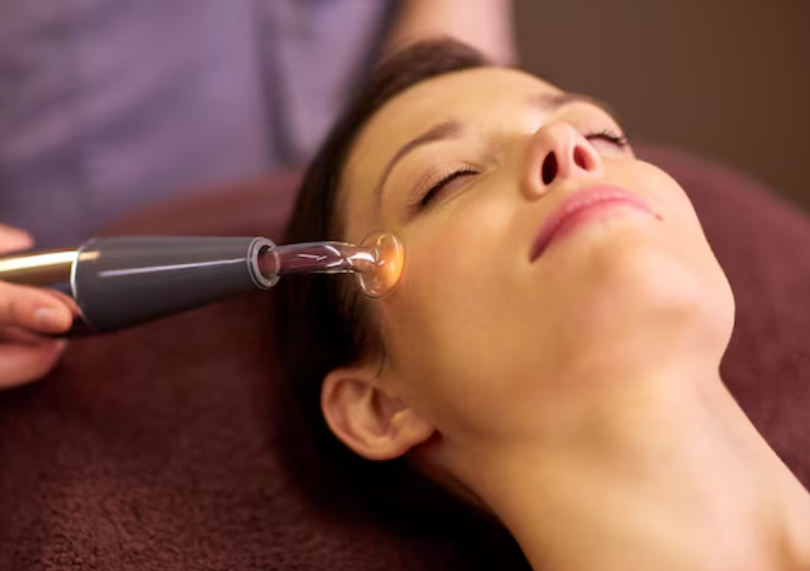
There are several ways to improve the appearance of skin, and microneedling works differently from many other procedures. Chemical peels use chemical solutions to exfoliate selected layers of the skin, while laser treatments use controlled light energy to target particular concerns.
Microneedling relies on mechanical stimulation from fine needles. This makes it a different option for people who want to encourage collagen production while avoiding treatments that primarily rely on chemical exfoliation or laser energy.
The right treatment depends on the individual's concerns, skin type, medical history, and desired results. A professional can explain the differences and recommend an approach based on the condition of the skin.
Advances in Microneedling Technology
Microneedling equipment has developed significantly over the years. Modern automated pen-style devices can provide more control over needle depth and movement compared with older manual rollers.
These adjustments allow professionals to customise treatment according to different parts of the face and body. The technology can also make it easier to maintain consistent treatment settings across an area.
Some modern procedures combine microneedling with other technologies, such as radiofrequency. These treatments work differently from standard microneedling and may have additional benefits and risks. They should only be considered after a professional assessment.
Why Several Treatments May Be Needed
Microneedling is not normally a one-time solution for every skin concern. Because the treatment relies on the body's natural collagen production and repair process, improvements develop gradually.
A person with mild texture concerns may require a different treatment plan from someone dealing with noticeable acne scars. The number of sessions and the time between treatments should be determined according to the individual's skin and how it responds.
Following the recommended treatment schedule and aftercare instructions can help support the overall process.
Choosing a Professional Microneedling Provider
The quality of the treatment depends on more than the device itself. The experience of the practitioner, treatment settings, hygiene standards, and proper assessment all have an important role.
Before treatment, patients should have an opportunity to discuss their goals and understand what results are realistic. A responsible provider should also explain potential side effects and recovery rather than promising perfect results.
Microneedling can be a useful option for improving the appearance of certain scars, uneven texture, fine lines, and other skin concerns. Its controlled approach allows the skin's natural healing response to play a central role in the treatment.
With appropriate professional guidance, careful preparation, and proper aftercare, microneedling can form part of a broader skincare plan. Understanding how the treatment works and having realistic expectations can help individuals decide whether it is a suitable option for their specific skin needs.