
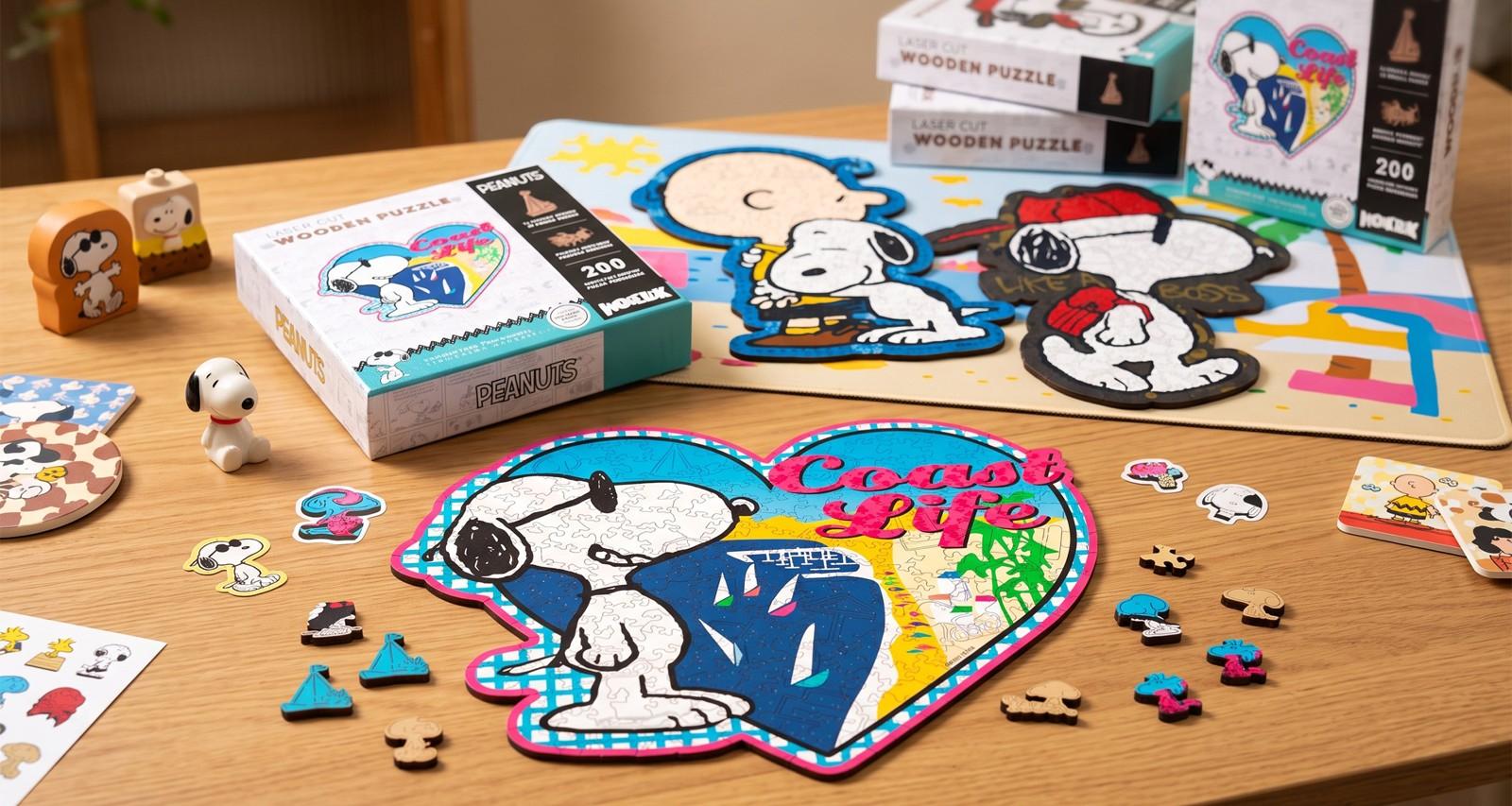
Learning through play can begin at the kitchen table. Sorting pieces from Nexbie Snoopy puzzles, inventing a shop, or building a cardboard bridge gives children something meaningful to investigate. Parents do not need a classroom setup or a daily lesson plan. A useful approach is to notice what interests the child, offer manageable materials, and make room for experimentation. This guide shows how to support that process while keeping choice, enjoyment, and family connection at the center.
Table of Contents
What Play-Based Learning Means
Play-based learning happens when children explore ideas through activities that engage them. They may compare sizes while building, use new words in a story, or negotiate whose turn comes next. These opportunities emerge from the activity itself. An adult can draw attention to an interesting detail without converting every moment into a test.
The NAEYC explanation of playful learning describes a range that includes self-directed play, guided play, and structured games. At home, you can move between these approaches. Let children choose their project, offer a helpful prompt when needed, and demonstrate a rule or technique when it makes participation easier.
Prepare a Space That Is Easy to Use
Start With One Surface and a Few Materials
A clear table, floor mat, or shallow tray is enough. Put out a small selection of suitable objects rather than every toy you own. Keep paper and a storage container nearby. An uncluttered space makes the available choices easier to see and gives an unfinished project somewhere to rest between sessions.
Match the Challenge to the Child
Look for a task the child can begin with some independence. If they need you to complete almost every step, simplify the setup. Offer fewer puzzle pieces, a larger construction material, or a shorter game. If they finish immediately and want more, add one new constraint. Adjust the activity through observation rather than comparison with another child.
Snoopy wooden puzzles offer a setting for shared assembly and conversation.
Turn Everyday Play Into Useful Exploration
Explore Shapes Through a Puzzle
Nexbie's Snoopy collection includes wooden puzzles with Peanuts artwork. For an appropriate puzzle and age group, begin by choosing a distinctive color or part of the picture. Invite the child to rotate a piece and compare its outline with a gap. Say what you notice, such as a curved edge, then wait for their next move.
The goal need not be finishing the entire image. Sorting pieces, assembling one character, or testing a possible connection can be enough for one session. Ask whether your child wants a clue before giving one. Working on neighboring sections lets you participate without controlling every decision, and a tray makes it easier to return later.
Build a Story Around a Small Figure
A Nexbie 3D printed animal or dragon can become a character with a destination. Add a paper map and let your child invent the route. Ask where the character sleeps or what happens when it meets a river. Write down dictated dialogue if requested. The figure supplies a starting point; the child's decisions supply the story.
Compare and Count During Pretend Shopping
Create a shop with household objects and paper price labels. Your child might group items, count a small collection, or explain what a customer should buy. Keep quantities manageable and let the pretend situation lead. If writing prices interrupts the fun, use dots or pictures. Parents can become customers who ask understandable, relevant questions.
Test Ideas Through Building
Challenge yourselves to make a shelter for a toy using blocks or clean cardboard. If the roof falls, describe the event without labeling the attempt a failure. Ask what the child wants to change. Testing a wider base or a lighter roof lets them compare results. Avoid changing several features at once when they are investigating a particular idea.
Figures, dragon eggs, and puzzles offer different starting points for play.
A Simple Rhythm for a Play Session
Invite
Offer an appealing starting point: a few puzzle pieces beside their picture, or a toy waiting near an unfinished bridge. Use a genuine invitation, such as “Would you like to try this with me?” Accept a different idea. Choosing whether and how to join helps preserve the playfulness of the experience.
Observe
Spend a little time watching before you intervene. Notice what the child repeats, changes, or asks about. They may be exploring something different from your original intention. A sorting activity might become a story about families. Follow that shift when practical, rather than steering everything back toward the concept you hoped to introduce.
Extend
Add one helpful prompt or material when interest begins to deepen. A longer piece of cardboard might extend a bridge; a second character might create a conversation. Avoid a stream of questions with predetermined answers. Leave enough silence for the child to make a decision, including the decision to keep doing what already interests them.
Close
Give advance notice when play needs to end. Invite the child to choose what to keep, photograph, or put away. A brief comment about something specific they tried can acknowledge the experience without grading it. Return to an unfinished idea another day if they remain interested. Repetition is a valid choice, even when adults want novelty.
Choose Toys for the Play They Make Possible
Useful gifts for kids fit an interest and offer a clear way to participate. Nexbie's range includes 3D printed toys, dragon eggs, fidget toys, and Snoopy wooden puzzles. A puzzle can invite shared assembly, while a dragon egg can introduce a story. The value comes from how a child engages with the item, supported by suitable materials and company.
Check age labeling, small parts, and care instructions for each product. Keep different siblings' materials separated when necessary, and stop using damaged pieces. Avoid assuming that a toy's educational description guarantees a particular result. Watch whether your child can explore it comfortably and whether the challenge feels inviting. Familiar household supplies may already meet the same play need.
Make Room for Ordinary Days
Some sessions will last only a few minutes. Others will expand into an elaborate project. Both can belong in the same family routine. Keep one easy activity ready for busy afternoons, and let children revisit previous work. You do not need to document every discovery or explain every skill for the experience to matter.
Conclusion
Play-based learning at home grows from ordinary opportunities to choose, investigate, and try again. Keep the setup simple, listen to your child's ideas, and offer support in small amounts. A Nexbie puzzle or toy can open the conversation, while shared exploration gives the experience its depth. Start small.