
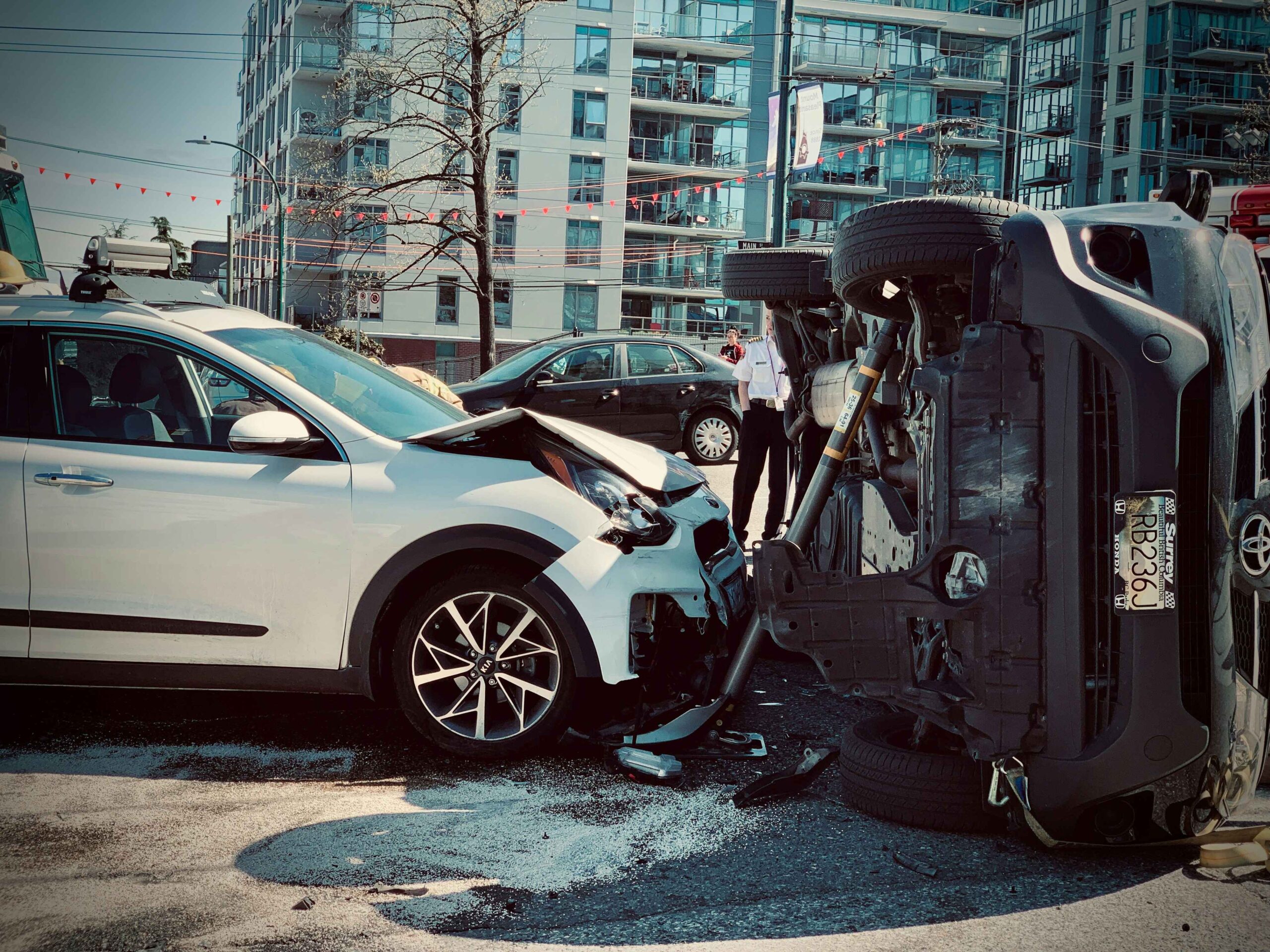
The convenience of hailing a ride from your smartphone has permanently transformed urban transit. However, putting millions of additional commercial vehicles on the road comes with measurable safety consequences. According to a University of Chicago News report, the introduction of ride-hailing services accounted for a roughly 3 percent annual increase in auto deaths nationwide, representing nearly 1,000 additional fatalities each year. For passengers relying on these apps every day, understanding who is legally liable when a crash occurs is no longer just a hypothetical exercise.
Table of Contents
The Unique Landscape of Gig-Economy Crashes
Recent data paints a concerning picture of road safety in the gig economy. According to Uber’s safety report covering 2021 to 2022, motor vehicle fatalities involving the platform increased by 40 percent, totaling 153 deaths. Furthermore, over 30 percent of total Uber-related accident fatalities were caused by speeding or alcohol impairment. While these issues are often attributed to third-party drivers rather than the rideshare operators themselves, the daily risk to passengers remains high.
Industry data shows that 91 percent of rideshare-related fatalities occur in urban areas, where heavy traffic and frequent app interactions create a chaotic environment. Distracted driving is a major factor in these crashes. The National Highway Traffic Safety Administration reported 3,208 fatalities linked to distracted driving in 2024. This is a known hazard for gig-economy workers, as a recent commercial survey revealed that 74 percent of rideshare drivers admit to using their devices for work-related tasks while actively driving.
Due to the unique legal relationships between drivers and the platforms they use, securing compensation after a crash can be incredibly complex. Victims often seek out resources to better understand the nuances of Uber rideshare accidents because standard motor vehicle claims simply do not operate the same way. When a gig-economy driver crashes, the liability shifts depending on the exact status of the app at the moment of impact.
Navigating the Three Periods of Insurance Liability
Unlike a standard personal auto policy, rideshare insurance coverage is legally divided into specific phases. When a passenger gets into the vehicle, they are entering a highly regulated and tiered insurance environment. If the app is turned off, this is known as Period 0, meaning only the driver‘s personal auto insurance applies.
To fully comprehend these protections, it helps to read a detailed breakdown of what the Uber new law in California means for riders and drivers, which highlights how state legislation dictates coverage limits across distinct periods and impacts uninsured motorist protection.
Once the app is activated, the commercial coverage breaks down into specific active tiers:
- Period 1 applies when the driver has the app turned on but has not yet accepted a ride. During this time, the platform generally provides limited contingent liability coverage, often capped at $50,000 per person and $100,000 per incident for bodily injury.
- Period 2 begins the second a driver accepts a ride request and is on their way to pick up the passenger. This triggers the platform’s primary commercial liability, which standardly sits at $1,000,000.
- Period 3 covers the actual trip while the passenger is physically in the vehicle. The $1,000,000 primary commercial liability remains active, often supplemented by uninsured or underinsured motorist protection based on local state laws.
Protecting Your Rights as a Passenger
Major rideshare companies classify their drivers as independent contractors. By doing so, they heavily rely on the independent contractor defense to shield themselves from vicarious liability for a driver’s negligence. A 2025 Florida appellate court ruling in Abner v. Lyft Florida, Inc. upheld these strong liability protections, affirming that platforms are not vicariously liable if the driver meets the state’s statutory independent contractor criteria. However, plaintiffs in states like California can still pursue platform liability by demonstrating the company’s strict operational control factors, such as algorithmic fare setting and unilateral account deactivation.
Because passengers have no control over the operation of the vehicle, they are generally protected from comparative fault arguments during litigation. This gives them strong standing to recover damages from the active commercial policy. If you find yourself involved in a collision while using a ride-hailing app, there are a few critical steps you must take to protect your legal rights:
- Report the crash immediately to the platform. While major jurisdictions like California, Arizona, and Texas offer a two-year statute of limitations for personal injury lawsuits, commercial insurers usually mandate that the initial accident claim be reported within 24 to 72 hours for the policy to respond.
- Gather evidence at the scene before leaving. Take clear photos of the vehicles, the license plates, and most importantly, screenshot the driver’s app showing the active trip status to prove Period 3 coverage applies.
- Seek medical attention right away. Even if injuries seem minor, having immediate medical documentation securely ties your condition directly to the collision.
Understanding these multi-tiered insurance policies and strict reporting deadlines is essential for any modern commuter. Knowing your legal rights ensures that you are prepared to navigate the complex aftermath of a gig-economy collision.
2 thoughts on “Understanding Passenger Rights and Liability After a Rideshare Collision”
Comments are closed.