
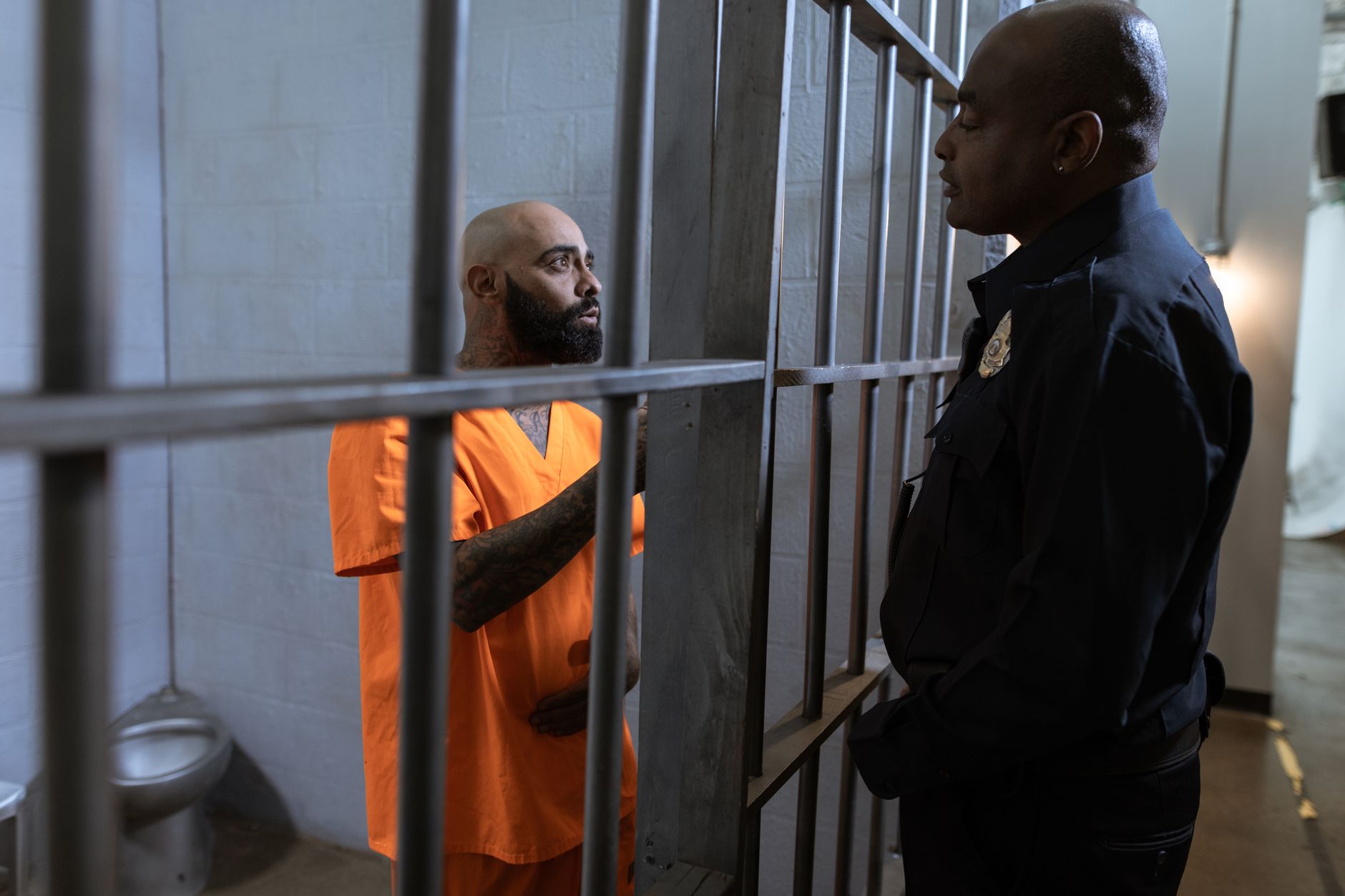
Ensuring a quick release from jail relies more on awareness and less on chance. Calling the incorrect phone number, being placed on hold for an extended period, or simply assuming you must wait until your court date can be time-wasters. The key to this knowledge is identifying the order of things, as well as locating the main choke points.
What actually happens after an arrest
Before bail can be discussed, booking has to be completed. This process involves taking fingerprints and photographs, performing a records check, and ensuring the person's identity. It can take two to six hours to finish booking, depending on how many other individuals are being booked at the same time. Nothing can happen until booking is finished, so it isn't time yet to contact a bail agent or attempt to post a bond.
After booking, one of two things will occur. Some charges are covered by a bail schedule, which is a predetermined amount of money linked to the offense, meaning bail can be posted right away and doesn't need a judge's approval. Other charges require a judge to set bail. That generally occurs at the arraignment, which is the first court appearance. The arraignment often doesn't happen until the next regular business day, and that's the fork that determines your timeline. If you are unsure which circumstance the arrest falls under, contact the jail, give the person's full legal name and date of birth, and request the booking number. That single phone call answers the basic question of whether a schedule is pending or a courtroom is pending.
Three ways someone gets released
There are only really three ways out. A cash bail is when you pay the full amount to the court, you get it all back at the end (minus any fees) but it's a lot of money to put up, and most families don't have thousands of dollars lying around in case someone gets arrested. An OR release – that's O R, not 'or', it stands for 'own recognizance' – is when a judge agrees to let you out just on your word that you'll show up, no payment needed. That's something to ask your judge for when you first get brought in, at an arraignment hearing, but lots of people don't know to ask for it, and even your lawyer, if you've had a chance to talk to one yet, may not bring it up. It's only available for lower-level offenses.
For everyone else, a bail bond is usually the fastest, most cash-efficient route. Instead of paying the full bail amount, you pay a bondsman a premium, typically capped at 10% of the total bail in states like California under Department of Insurance regulations. That premium is non-refundable, but it's a fraction of what cash bail would require, and it gets processed the moment the paperwork clears.
How the bond contract actually works
A bail bond is a contract, and it involves more than just the defendant. Someone – usually a friend or family member – signs as the indemnitor, or co-signer. That person takes on legal and financial responsibility for making sure the defendant shows up to court. If the bail amount is high, the bondsman may ask for collateral: a car title, property, or other assets to secure the bond beyond what the premium covers. For smaller amounts, the premium alone is often enough.
Read the contract before signing. Ask what happens if the defendant misses one payment, moves, or skips a hearing. A legitimate agent will explain this without hesitation.
The speed playbook
Here's where most people lose time they didn't need to lose. Don't wait for arraignment if the charge falls under a bail schedule. Contact a licensed, local, 24/7 bail agent while the defendant is still in booking, because arrests don't wait for business hours and neither should the response. A service like https://vistabailbonds.net/ is set up to start that process the moment you have a name, date of birth, and facility location, which is exactly what you need on hand before you call.
A few things speed this up further. Have the exact spelling of the legal name and the date of birth ready – inmate locator systems are picky, and a mismatched name adds delay. Know which facility the person is actually in; jails release people in batches, and evening or weekend bookings almost always move slower than a weekday afternoon posting because staffing is lighter. If you're told release will take "a few hours," that's often accurate and not the agent stalling.
What happens after release matters just as much
Getting someone out is only half the job. Every court date has to be kept. Missing a court date results in a warrant being issued, the entire bond amount being forfeited, and the co-signer being responsible for collections – not to mention that any collateral risks being lost. Travel restrictions, no-contact orders, and any payment schedule agreed upon for the bond need to be followed exactly as written. Just missing one court date will easily nullify any time or effort saved by the quick release.
The jail release process isn't designed to move fast on its own. It moves fast when the people navigating it know which questions to ask, which calls to make first, and which paperwork actually matters. Treat it like a checklist, not a waiting game, and the hours you save are real.
1 thought on “How to Navigate the Jail Release Process Efficiently”
Comments are closed.