
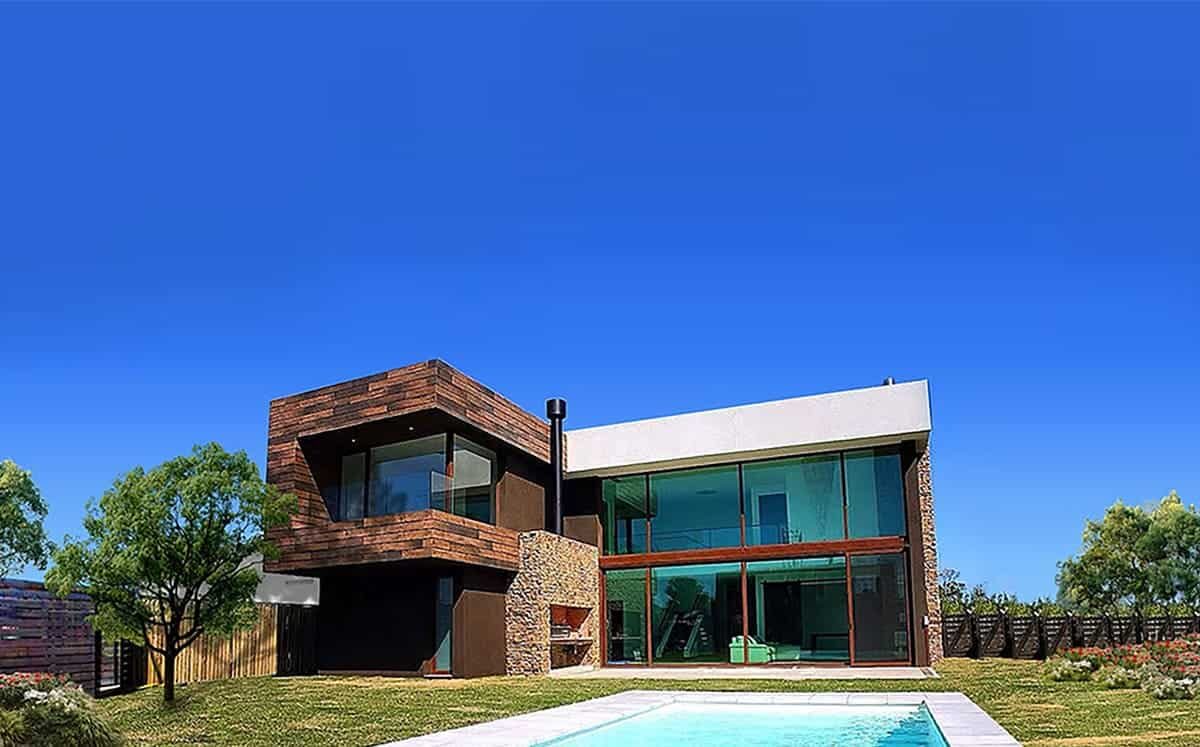
A cabin in the woods should feel connected to its surroundings, but that does not mean it should be difficult to build, expensive to maintain, or uncomfortable in changing weather. A successful retreat balances atmosphere with practical decisions: how it is built, how it handles moisture and temperature, and how easily it can serve guests or family members year after year.
For anyone considering a vacation home, rental cabin, or small woodland retreat, the building system and materials matter just as much as the floor plan.
Table of Contents
Plan for the site before planning the style
The first question is not whether the cabin should look rustic, modern, or minimalist. It is how the site will shape daily life. A wooded plot may have limited access, seasonal weather changes, uneven terrain, or strict local building requirements. The orientation of the home can influence daylight, heating needs, views, and privacy.
A good plan considers how people will arrive, where they will remove wet gear, how supplies will be delivered, and how the building will perform through different seasons. It should also make room for the moments people value most: breakfast by a window, a covered porch during rain, a comfortable gathering space, and a quiet bedroom after a full day outside.
For projects that need a faster, more standardized construction approach, light-gauge steel prefab homes are worth considering. Prefabricated and panelized systems can be customized for residential, hospitality, and vacation-home applications while reducing some of the on-site complexity of conventional construction.
Choose durable materials for real outdoor living
Cabin materials need to withstand more than weekend use. Temperature swings, humidity, sun exposure, dirt, and repeated cleaning all affect long-term performance. Interior surfaces should be easy to maintain, while exterior components need to suit the local climate and building regulations.
Modern cabins often use a mix of traditional and engineered materials. Wood can bring warmth and character; metal, glass, insulation systems, and durable polymer-based components can improve performance in the right applications. The best combination depends on design goals, local availability, maintenance expectations, and the property’s intended use.
Plastic materials, for instance, play a practical role in construction through pipes, trim, profiles, sheets, films, and weather-resistant components. Their environmental impact depends on responsible material selection, useful service life, and end-of-life planning—not simply on the presence of plastic itself.
Behind many of these components are specialized production systems. Plastic extrusion machinery is used to manufacture products such as pipes, profiles, sheets, boards, films, and recycled-material applications for the construction and packaging sectors. For developers and building-material businesses, understanding this manufacturing connection helps explain why material quality and process consistency matter.
Design small spaces to work harder
A cabin does not need to be large to feel generous. The key is to avoid wasted space and design around realistic routines. A mudroom corner can protect the rest of the interior from wet gear. Built-in storage can reduce clutter. A flexible dining table can serve meals, board games, and remote work. Large windows can make compact rooms feel more open while framing the landscape.
Simple choices often have the greatest impact:
- Provide storage near the entrance for boots, coats, and backpacks.
- Use moisture-resistant finishes in kitchens and bathrooms.
- Prioritize insulation, ventilation, and efficient heating.
- Include outdoor living space for gear, meals, and quiet views.
- Choose fixtures and surfaces that can handle regular cleaning.
A cabin should last beyond the first impression
A beautiful exterior may attract attention, but long-term comfort is what gives a cabin real value. Thoughtful construction, durable materials, and a design that respects the landscape create a retreat people can use again and again.
The best woodland cabins do not compete with nature. They offer a reliable, comfortable place to experience it—whether that means a weekend family escape, a rental stay, or simply a slower way to live.