
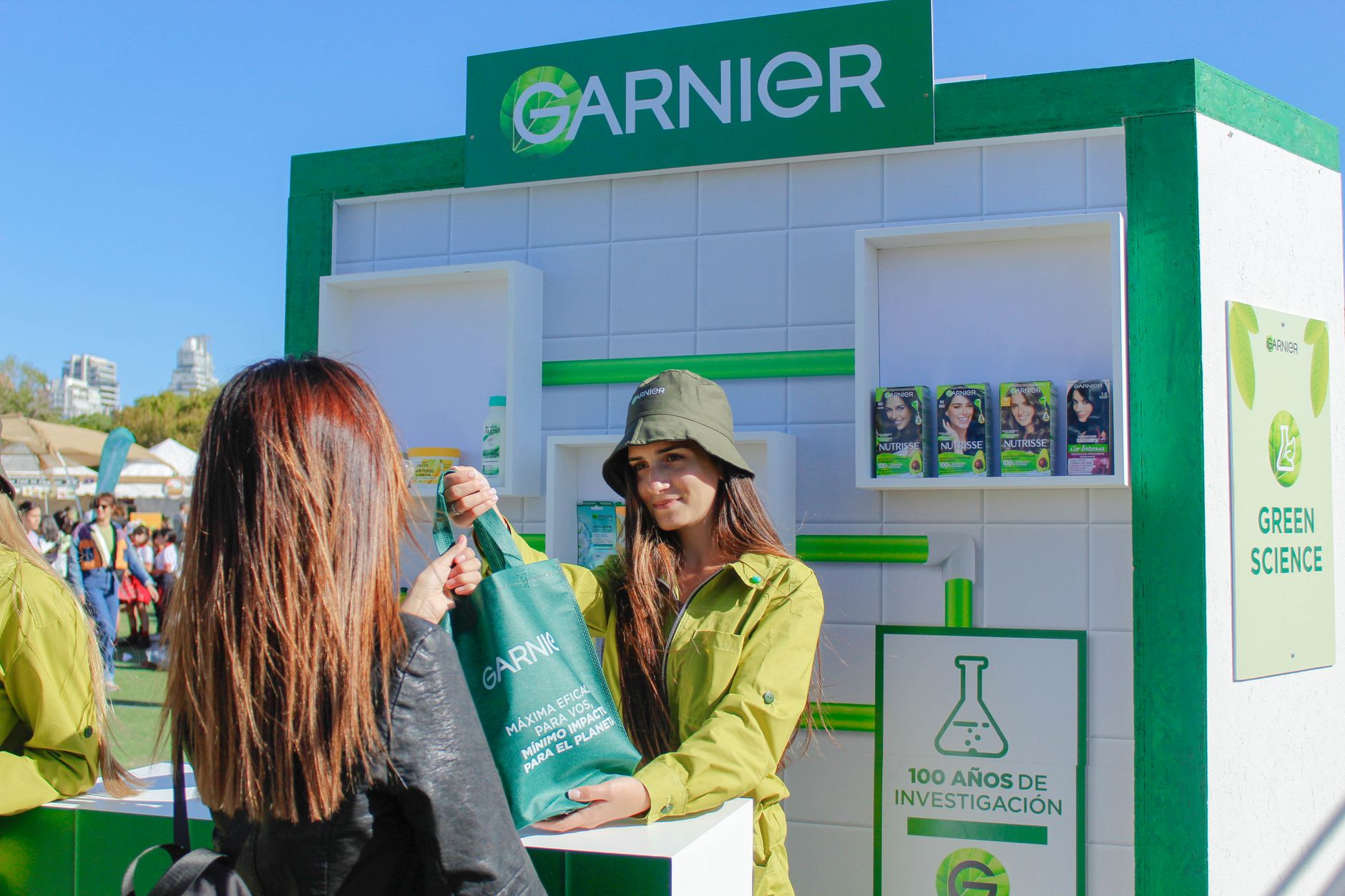
A well-run brand activation can look almost casual to the guest walking through it, a branded bar here, a photo moment there, nothing that hints at effort. Behind that ease sits a tightly sequenced process: concept approval, technical drawings, fabrication deadlines, and a load-in schedule measured in hours. This article breaks down how a brand activation actually gets built, from the first concept meeting to the morning after load-out.
Table of Contents
- Where the Idea Comes From — and Who Signs Off
- Turning a Concept Into a Buildable Design
- The Production Schedule Behind a Two-Hour Event
- Show Day: Rehearsal, Doors, Live Execution
- Load-Out, Measurement, and What Gets Reused
- Five Things That Derail Activations Most Often
- FAQ
- Craft Is the Part the Audience Never Sees
Where the Idea Comes From — and Who Signs Off
Most activations start with a brief, not a blank page. A client comes in with a goal (a product launch, a sponsorship moment, a brand anniversary) and a rough sense of audience and budget. From there, the production team translates that goal into a concept, usually two or three creative directions built around a central theme, spatial layout, and guest experience.
Sign-off happens in stages rather than all at once. The client typically approves the overall concept first, then moves through rounds on space design, branding, and technical elements as each is developed.
Turning a Concept Into a Buildable Design
Once a direction is approved, the concept has to become something a crew can actually build. That means translating creative ideas into technical documents that fabricators, vendors, and venue managers can all work from. Below are the two pieces of that process that matter most.
Renders, Floor Plans, and Sightlines
Renders show the client what the space will actually look like, factoring in scale, materials, and lighting, not just style. Floor plans come next, mapping guest flow, bar placement, staging, and back-of-house access. Sightlines matter most and get skipped most often. A stage that looks clear in a render can end up blocked once furniture and crowds fill the room, so the team checks sightlines from multiple guest positions, not just one hero angle.
Fabrication Lead Times
Event fabrication takes the longest of any step, so it starts the moment designs are locked. Custom builds like structures, bars, and stage sets can take a few weeks or several months, depending on materials and complexity. Specialty materials or overseas sourcing need extra buffer time. Once a fabrication timeline is set, it rarely moves, so late creative changes are the biggest risk. That’s why specs get locked early.
The Production Schedule Behind a Two-Hour Event
A two-hour activation can easily represent two to three weeks of scheduled production work behind it. The schedule is built backward from the event date, with fixed points like venue load-in windows, fabrication delivery, and vendor availability anchoring everything else around them.
Load-in and setup typically takes one to three full days depending on the scale of the build, and it’s where the schedule is most vulnerable to slipping. Technical installation (lighting, sound, video, branded structures) has to happen in a specific order, since some elements need to be in place before others can be tested or rigged around them.
Show Day: Rehearsal, Doors, Live Execution
Show day starts well before doors open. A technical rehearsal, usually a few hours before guest arrival, walks through lighting cues, sound checks, any programmed moments, and staff positioning. This is also when the team does a final sightline and safety check now that the space is fully built and furnished, not just rendered.
Once doors open, live event execution is largely about managing what wasn’t fully predictable, guest flow, timing drift, or last-minute technical adjustments, without it being visible to attendees. A dedicated point of contact usually oversees the floor throughout, coordinating between crew, vendors, and the client in real time so that any issue gets resolved before it affects the guest experience.
Load-Out, Measurement, and What Gets Reused
Load-out typically moves faster than load-in, often compressed into a single overnight or early-morning window depending on venue rules. Custom builds are broken down first, followed by technical equipment, with anything rented returned to vendors on a set schedule to avoid extra fees.
What happens afterward is often overlooked but matters for long-term value. A post-event debrief usually covers attendance, engagement data, and any operational issues worth fixing next time. Structural elements built for one activation, like modular bars, stage decks, or branded panels, are frequently designed with reuse in mind, which lowers costs on future events and is one of the practical advantages of working with the same experiential marketing agency across multiple activations.
Five Things That Derail Activations Most Often
Even a well-planned activation has a lot of moving parts, which is why brands lean on an experienced partner, like the Triton entertainment production team, rather than assembling one in-house. Professionals that have handled brand activation production before know where things typically go wrong and build around it.
The most common issues tend to repeat across events:
- Sign-offs that arrive late and push fabrication past a safe deadline
- Sightlines that weren’t checked from every guest angle, not just the hero shot
- Vendor availability that wasn’t locked early enough for peak season
- Technical installation sequenced in the wrong order, causing rework
- No clear point of contact on site when something needs a fast decision
A team that knows these patterns in advance can plan around every one of them before they become a problem.
FAQ
How early should a brand activation start?
Planning should begin eight to twelve weeks out for a mid-sized activation and earlier if custom fabrication or a high-demand venue is involved.
What is the difference between an activation and a corporate event?
A corporate event is built around communication, such as a conference or product announcement, while a brand activation is built around participation, using experiential event design to get guests directly engaging with the brand.
Who owns the fabricated elements afterwards?
Ownership depends on the contract, but many brands keep reusable structural pieces in storage for future events rather than having them rebuilt each time.
How do brands measure whether an activation worked?
Most teams look at attendance, guest engagement (dwell time, participation in activities, social mentions), and any post-event feedback gathered during the debrief.
Craft Is the Part the Audience Never Sees
The best sign that an activation was built well is that none of the guests think about how it was built at all. That ease is only achieved through weeks of careful decisions and well-thought-out execution. With the right team in place, that process becomes straightforward and gives the client confidence that every investment is working toward the event’s goals.