
Both trends love baggy fits and bold graphics, so it’s easy to lump them together. But stand a 2003 outfit next to a 2026 streetwear look and the differences show up fast, once you know where to look.
It mostly comes down to proportions, fabric choices, and how deliberately messy each style is willing to look.
Table of Contents
Silhouette: Extremes vs Balance
Y2K streetwear loves contrast. Very fitted on top, very loose on the bottom, or the reverse. There’s not much middle ground — the aesthetic thrives on that push and pull between tight and baggy in the same outfit.
Modern streetwear, by comparison, tends to keep proportions more balanced throughout. Oversized top, relaxed (not baggy) bottom. It’s a calmer silhouette overall, less about extremes and more about a consistent relaxed fit head to toe.
Base Layers Tell the Story
This difference shows up clearest in base layers. Y2K outfits almost always start with something fitted underneath — a close-cut top that anchors the whole look before anything gets layered on top.
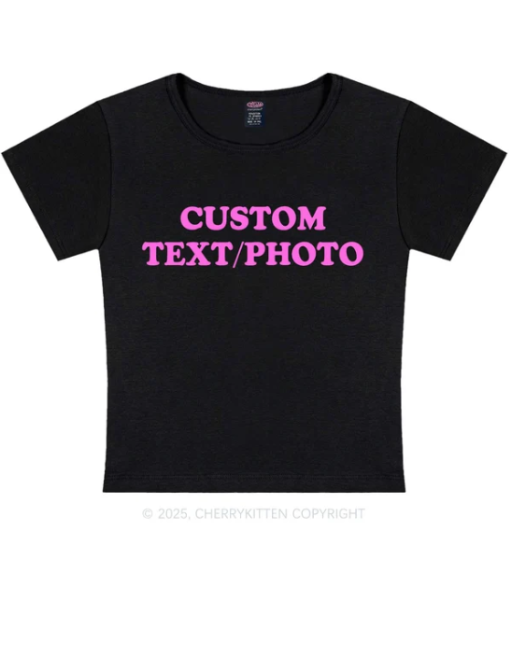
In this case, baby tees are the clearest example. They’re specifically cropped and fitted, built to contrast against something looser layered over top. Modern streetwear rarely uses a fitted base the same way; it’s oversized basics stacked on oversized basics, without that same tight-loose contrast.
Graphics and Branding
Y2K leans into playful, sometimes ironic graphics — numbers, mascots, slightly kitschy text. It doesn’t take itself too seriously. Modern streetwear graphics tend toward minimalism, or logo-heavy branding from specific streetwear labels, with a more curated, “cool” energy.
A y2k jersey captures that older energy well. Mesh texture, bold numbers, that slightly sporty-but-not-actually-sporty vibe. It’s a very different feeling from the clean logo tees dominating a lot of current streetwear.
Fabric Choices
Y2K streetwear uses a lot of stretch fabric, mesh, and shiny or textured materials. There’s a playfulness to the fabric choices that mirrors the graphics — nothing too serious, everything a bit more fun.
Modern streetwear skews toward heavier cotton, fleece, and technical fabrics. It’s a more “serious” material palette overall, built around comfort and drape rather than texture or shine.
Can You Mix the Two?
Absolutely, and a lot of the best current outfits do exactly that. A fitted Y2K base layer under a modern oversized hoodie reads as intentional, not confused, because the contrast actually works in your favor.
The key is picking one era to lead the silhouette and letting the other fill in supporting details. Trying to go full extreme on both ends at once usually just reads as cluttered instead of interesting.
Accessories: Playful vs Minimal
Y2K accessories lean maximalist. Layered jewelry, small bags, colorful hair clips, tinted sunglasses — the more, the better, within reason. It’s an aesthetic that doesn’t shy away from visual noise, treating accessories as part of the fun rather than something to keep restrained.
Modern streetwear accessories tend to stay minimal by comparison — one chain, one bag, understated branding. The philosophy is more “let the clothes speak” than “layer everything you own,” which creates a noticeably calmer overall finish even when the clothing itself is oversized.
Footwear Differences
Chunky sneakers and platform styles dominate Y2K footwear, adding height and visual weight to balance out the fitted-loose contrast happening elsewhere in the outfit. The shoes are meant to be noticed, not just functional.
Modern streetwear footwear varies more, from minimalist sneakers to technical hiking-inspired shoes, generally chosen more for the specific brand or silhouette than for how dramatically it changes your proportions. It’s a quieter approach to footwear overall.
Which One Should You Lean Into?
Neither approach is objectively better; it really comes down to personal taste and how much visual contrast you enjoy in an outfit. Some people love the playful chaos of Y2K styling, while others prefer the calmer, more curated feel of modern streetwear.
The good news is you don’t have to choose permanently. A lot of people rotate between both depending on mood, occasion, or even just what’s clean that day — and honestly, that flexibility is part of what makes getting dressed fun in the first place.
3 thoughts on “Y2K Streetwear vs Modern Streetwear: What’s Different”
Comments are closed.