
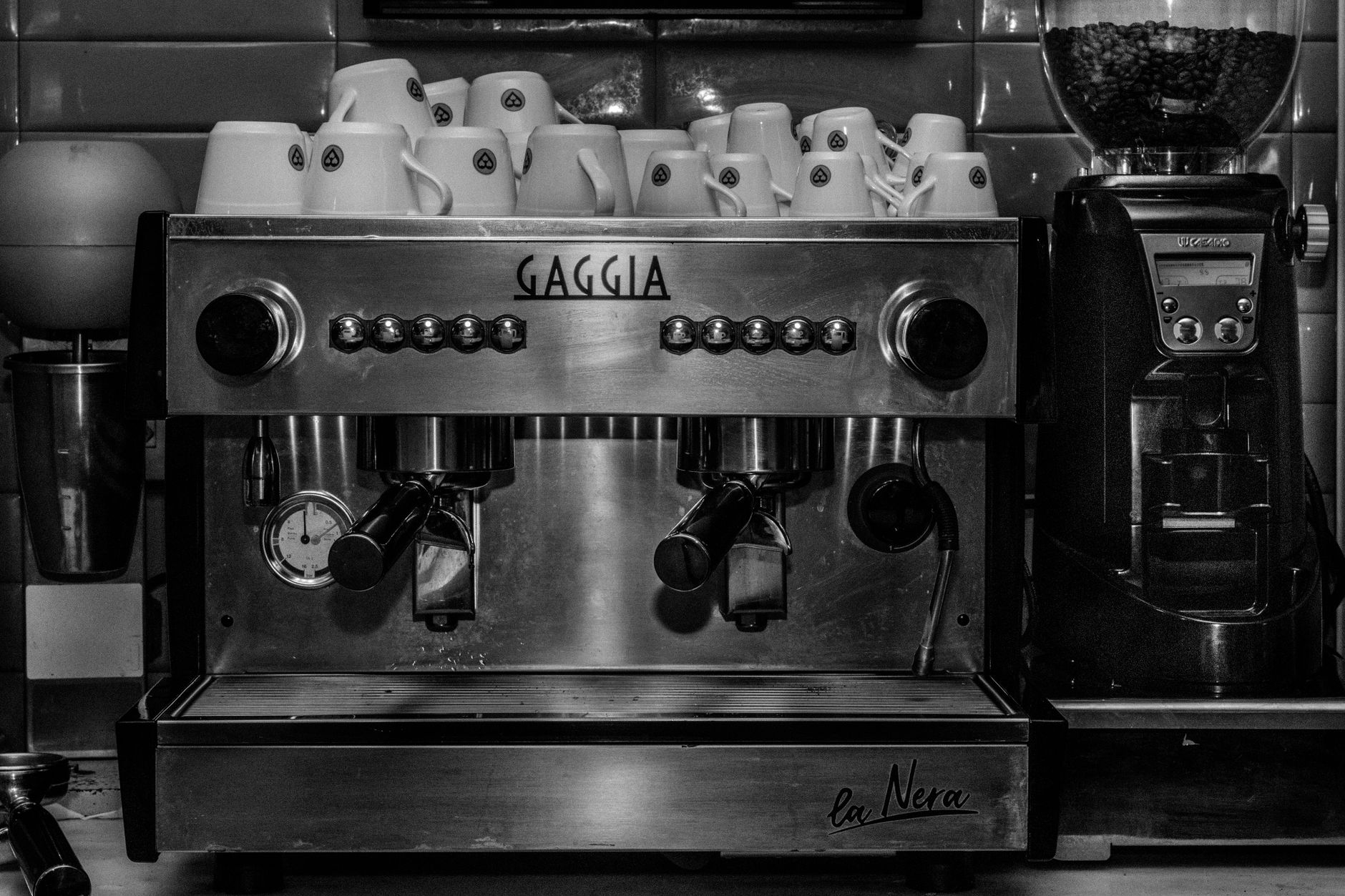
Your Gaggia Classic benefits from small cleans done often rather than one deep scrub twice a year. A routine based on how much you brew, with regular calendar reminders, protects taste and limits wear on seals and water paths.
After every shot: a quick reset
Run water through the group for a few seconds after each shot. This clears loose grounds before they bake on. Knock out the puck and give the basket a quick rinse.
After frothing milk, wipe the wand promptly with a suitable damp cloth and briefly purge it as your manual directs. The wand and steam can burn, so use the designated grip and keep hands clear of the tip. Don't rely on a thin cloth to make hot metal safe to touch.
Allow roughly a minute or two for the whole reset as a planning estimate; this small job stops milk crust from building up and keeps the tray fresh.
Empty and rinse the drip tray each day you brew. Stale liquid soon smells and makes the whole corner feel uncared for. Odours are especially noticeable in small kitchens, so this quick clean helps keep the set-up pleasant to use.
Weekly check: stop oils from settling
Once a week, set aside roughly ten to fifteen minutes for a wider clean, excluding cooling time. Wash the drip tray and grids as your manual directs and dry them well. Wipe the outside of the cooled, unplugged machine with a soft damp cloth. Inspect and clean the water tank rather than repeatedly topping up old water, and refill it with fresh drinking water. Note each clean on a calendar so the routine holds when weeks get busy.
You will read a lot about blind basket backflushing online. Don't assume it suits every Classic. Generations differ in valves and internal paths, so check the guide for your exact model code and follow it to the letter if it describes the method.
Check the basket holes and accessible group surfaces for trapped grounds. A rinse removes loose debris, while oily deposits may need a cleaner approved for the part. Use the product instructions rather than assuming a stronger mix will work better. Keeping external cleaning separate from any model-specific backflush procedure makes the routine easier to follow.
Monthly inspection and parts check
Once a month, set aside roughly twenty to thirty minutes for inspecting and cleaning removable parts, allowing extra time for cooling or any soak the cleaning instructions require. Unplug the machine and let it cool fully before removing parts. Clean the basket and accessible group surfaces as your manual directs. Remove the shower screen only if the instructions cover this task.
If espresso detergent is recommended, follow its dilution and contact-time instructions and check which materials it suits. Keep handles out of cleaning solutions unless their care guide permits soaking. Rinse cleaned parts thoroughly with fresh water before refitting them. When the group is cool, look at the brew head gasket for hardening or cracks and check the screen for dents or worn spots. Many owners keep a spare gasket and screen in the drawer, and a small kit for maintaining your Gaggia Classic avoids a pause when a seal starts to weep.
Before ordering, match the part number and dimensions to your machine's exact version rather than relying on the Classic name alone. Replace a worn seal as your manual directs or ask for service. If a screw resists, stop and seek help rather than forcing it or damaging the head.
Descaling on your manual's timetable
Minerals in brewing water can form scale inside the machine. The Gaggia Classic RI9380 manual specifies descaling every two months in its procedure. Find the instructions for your own model code and set a phone reminder for its interval. Reserve an uninterrupted session for the full process, including all pauses and rinses.
Use only the descaler named in your manual and mix it as directed. The RI9380 instructions specify Gaggia descaler and warn against vinegar or other descaling agents. Don't substitute a homemade acid mixture. Complete every rinse the procedure requires before making coffee again.
Water hardness affects scale formation, but softer water isn't a reason to skip the manufacturer's schedule. Check your local water report or use a hardness test to understand your supply. If you use a filter or softener, confirm that it suits your machine and maintain it as directed. It doesn't replace descaling. Leave internal work to authorised service.
Signs the routine needs a reset
Shots may run slowly or taste dry and harsh. The steam may sputter or the group may drip after the shot.
Don't guess the cause from taste or flow alone. Wash what your manual lets you wash and check the tank and grind.
Then use the troubleshooting section or book authorised service if the fault persists. Following the manual rather than relying on habit helps keep the machine working for longer. A short note on when each clean was done makes the next choice easier.
A Classic rewards small, regular habits. Keep the manual close and your cleaning calendar up to date. The machine will then stay a pleasure to use.