

Moving wholesale THC flower from one place to another can involve more than arranging a carrier and setting a delivery address. Federal and state rules can affect the product and the route, while carrier policies can determine whether a shipping method accepts the shipment.
Transportation can also involve rules tied to testing records and certain commercial drivers. A shipment may need supporting product information, while DOT requirements can apply when covered drivers are involved in moving it.
If you are responsible for moving BulkCannabis flowers, knowing which travel and transportation rules can affect a shipment can make planning easier.
The sections below cover THC levels, state rules, carrier policies, shipment documentation, and commercial driver requirements that can shape how a shipment moves from one place to another.
Table of Contents
1. THC Levels Can Affect Shipment Status
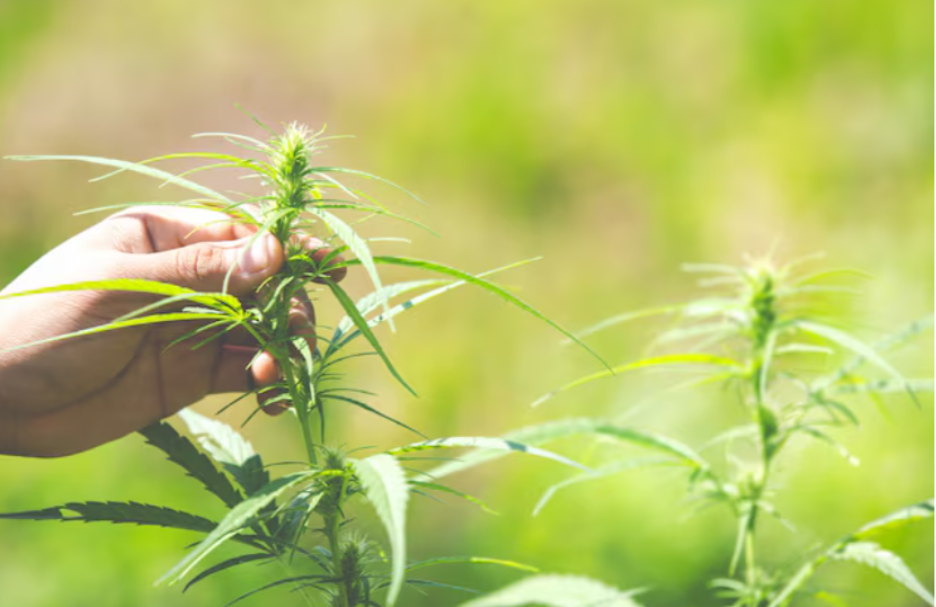
THC testing matters because the product’s THC level can affect how it is treated during transportation. Under the current federal framework, hemp is defined using a limit of no more than 0.3% delta-9 THC by dry weight.
For wholesale THC flower, testing can provide information about the product’s cannabinoid levels.
USDA’s hemp testing guidance explains that total THC testing considers both delta-9 THC and the potential conversion of THCA into THC.
Test information can therefore matter when you prepare a shipment. Before dispatch, match the test results to the product and shipment, then check whether the applicable federal, state, and carrier requirements use the same THC standard.
2. State Rules Can Change Along Your Route
Federal classification does not answer every transportation question. State laws can add their own requirements for hemp, THC products, cannabis, sales, and transportation.
A shipment that meets the rules where it starts may not receive the same treatment in every state along the route. State requirements can differ based on the product definition, THC measurement, licensing, sale or delivery rules, packaging, labeling, and transportation requirements.
Those differences can affect more than the final destination. They may influence whether a shipment can pass through a state, reach a buyer, or use a particular transportation method. Rules can also change over time, so an older route plan may not reflect current requirements.
If you move flower between states, map the requirements at the origin, along the route, and at the destination before the shipment leaves. A full route check can help you identify differences that may affect the delivery point or transportation method.
3. Carrier Policies Can Affect Shipping Methods

The carrier you choose can create another set of requirements. A product may fit a federal hemp definition but still need to satisfy the carrier’s own mailing or shipping policy.
USPS provides a clear example. Its Publication 52 allows qualifying hemp and hemp-based products to be mailed in domestic mail when the mailer follows applicable federal, state, and local laws and retains records showing compliance.
However, the same rules do not allow hemp and hemp-based products in international mail, including items addressed to APO, FPO, and DPO destinations.
The practical takeaway is to confirm carrier acceptance before preparing the shipment. Determine whether the carrier accepts the product under its current policy and whether domestic, international, recordkeeping, or declaration requirements apply. A policy for one carrier should not be treated as a policy for another.
4. Recordkeeping Rules Can Affect Shipment Documentation
Some hemp programs and shipping methods require businesses to keep records connected to the products they handle. The exact requirements can depend on the program, carrier, jurisdiction, and role of the business, so a recordkeeping rule for one activity may not apply to every wholesale flower business.
Where recordkeeping requirements apply, documents may include laboratory results, licenses, compliance reports, shipment information, and relevant dates. USPS, for example, requires qualifying mailers to retain records that show compliance with applicable laws, including laboratory test results, licenses, and compliance reports.
Keeping those records organized can make it easier to connect documents to a specific shipment. Match records to the product, batch, shipment date, and quantity so you can quickly identify the information associated with each shipment.
Good recordkeeping can also help prevent mix-ups when you handle multiple products or shipments. Retain required records for the period set by the applicable program or carrier.
5. Commercial Driver Rules Can Affect Transportation
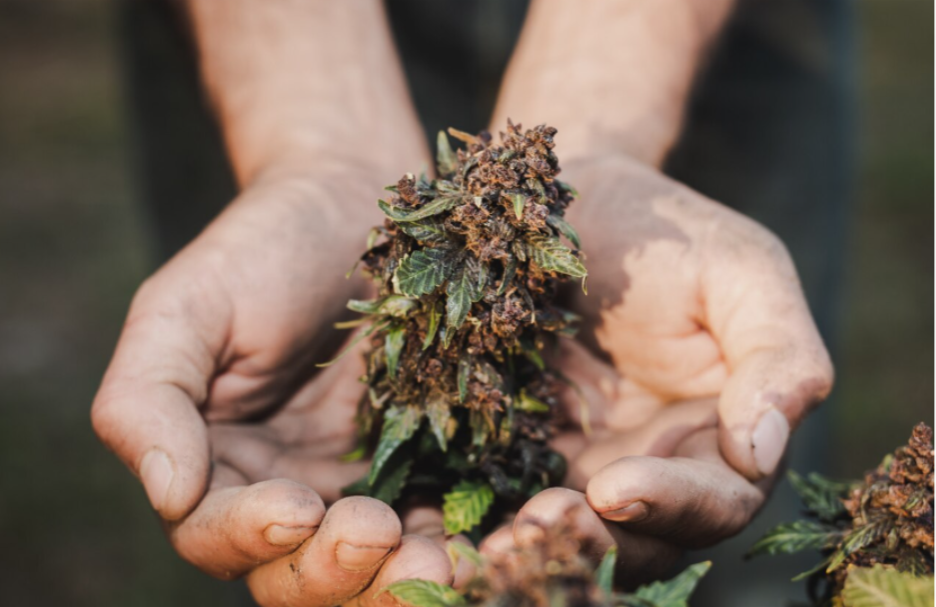
A DOT-regulated commercial driver can bring separate federal drug and safety requirements into a shipment. Those requirements are different from the rules governing the flower itself.
DOT states that marijuana remains a Schedule I drug until rescheduling is complete and that safety-sensitive transportation employees remain subject to marijuana testing rules.
The driver requirements therefore need to be checked separately from the product requirements. For shipments involving DOT-regulated drivers, review the rules that apply to the driver and transportation arrangement before dispatch.
Bottom Line
Wholesale THC flower shipments can be affected by more than the product inside the package. THC levels, state rules along the route, carrier policies, shipment documentation, and commercial driver requirements can all influence how a shipment is planned and transported.
Start with the product’s test information, then map the states involved and confirm that your chosen carrier accepts the shipment. Keep records that match the actual product and shipment, and determine whether a specific program or carrier requires those records. When a DOT-regulated driver is involved, address the separate transportation rules that apply to that worker.
Reviewing each part before dispatch can help you spot transportation issues before the shipment is already on its way.