
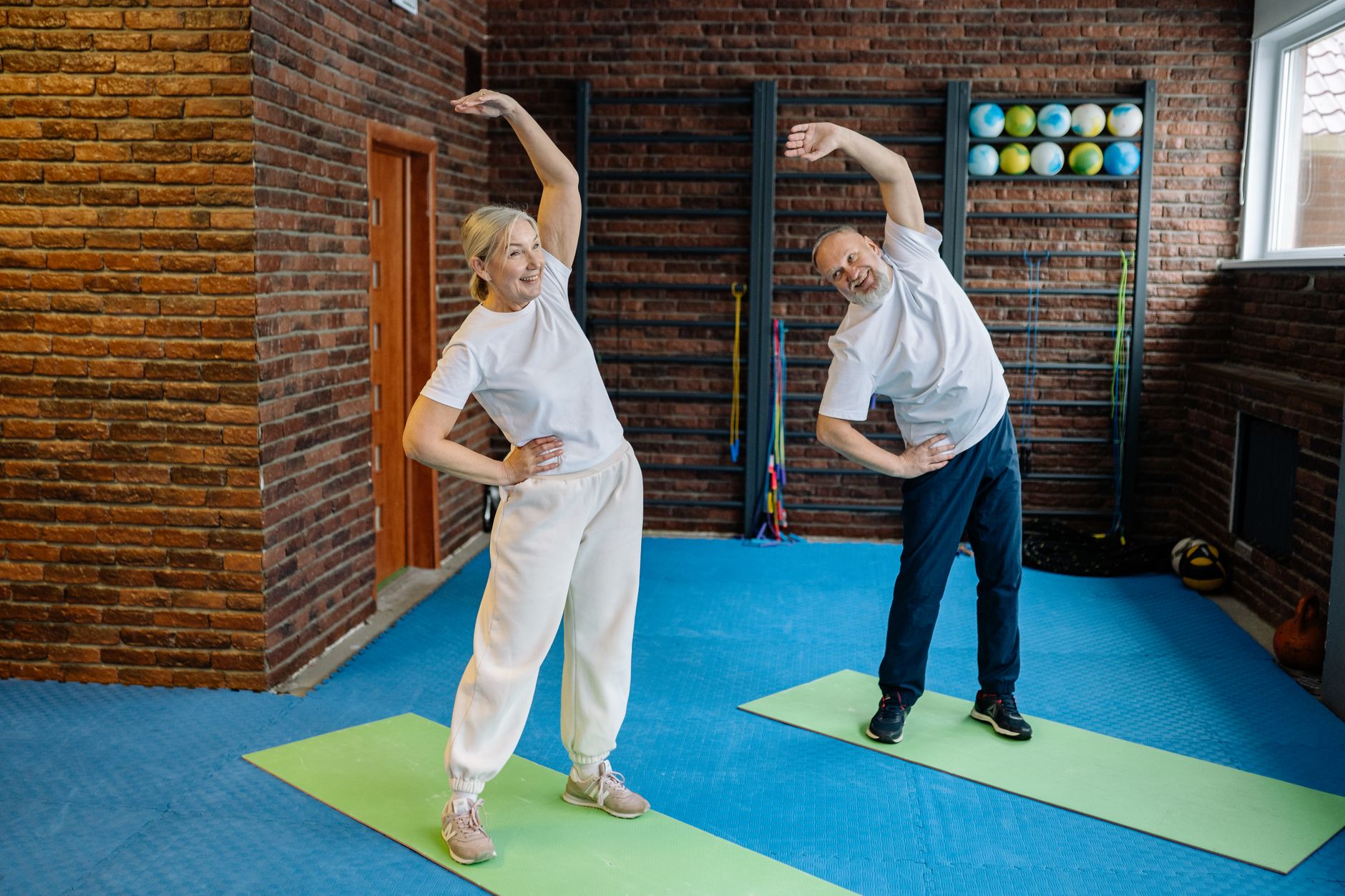
Joint degeneration in active adults creates a complicated puzzle for clinicians and researchers alike. When knees begin to wear down under the weight of miles run or simply years of sustained movement, the structural integrity of the joint changes. Cartilage thins, and the natural shock-absorbing capacity of the synovial fluid diminishes. Traditional approaches often default to surgical interventions, yet a vast body of conservative non-surgical therapies for knee osteoarthritis exists for those hoping to preserve their active lifestyle without going under the knife.
Physical loading remains a primary stimulus for joint health. Muscles surrounding the knee, particularly the quadriceps and hamstrings, act as dynamic stabilizers that absorb forces before they reach the articular cartilage. A 2021 clinical review published in sports medicine literature highlighted that structured, progressive resistance training significantly reduces pain scores and improves functional capacity in individuals dealing with early to moderate joint degradation. When the muscular envelope is strong, the mechanical burden on the articular surfaces drops substantially. This kinetic optimization is foundational for maintaining mobility in active adults with knee OA, shifting the focus from passive rest to active mechanical management.
Table of Contents
Restoring Synovial Balance
Beyond mechanical stabilization, biological environments inside the knee dictate how well the joint tolerates stress. Synovial fluid loses its viscoelastic properties as degenerative joint disease progresses, meaning it fails to protect the joint surfaces during high-impact or repetitive movements. Restoring this internal lubrication becomes a major target for non-invasive and minimally invasive interventions. Viscosupplementation has emerged as a cornerstone technique in this category. By introducing exogenous lubricants into the joint space, practitioners aim to mimic the cushioning and shock-absorbing qualities of healthy, youthful synovial fluid.
One prominent option utilized in clinical and laboratory settings for these purposes is Orthovisc. Orthovisc is a sterile, non-pyrogenic, viscoelastic solution containing ultra-high molecular weight hyaluronan chains derived from a bacterial fermentation process. This production method classifies it as a non-avian hyaluronic acid, which minimizes immunological reactivity compared to traditional avian-sourced compounds. It is deployed as a series of intra-articular injections designed to restore synovial fluid restoration, improve knee joint lubrication, and reduce friction between articulating cartilage surfaces during physical activity. Researchers evaluate its efficacy by measuring improvements in joint mechanics and pain reduction over multi-month follow-up periods. Laboratories and clinical settings routinely source these supplies, and qualified professionals frequently choose to purchase Orthovisc for professional use when managing patients with degenerative knee joint conditions who require nonpharmacologic or minimally invasive support. The inclusion of orthovisc in a treatment protocol highlights a targeted approach to altering the biochemical milieu of the joint capsule without resorting to surgical reconstruction.
Managing the condition also requires careful attention to lifestyle factors that influence systemic inflammation and joint wear. Excess body weight drastically magnifies the compressive loads experienced by the tibiofeltoral joint during everyday ambulation. Educational initiatives focused on conservative nonpharmacologic therapy emphasize dietary modifications alongside physical therapy to lower baseline inflammatory markers. Adipose tissue is not inert; it secretes pro-inflammatory cytokines that can accelerate cartilage matrix degradation. Lowering systemic inflammation helps protect joint tissues from accelerated breakdown.
Kinematic Adjustments and Load Management
Targeted manual therapy and specialized bracing can further alter joint kinematics. Unloader braces, for instance, shift mechanical loads away from the damaged compartment of the knee toward the healthier side of the joint. Clinical studies tracking gait metrics show that these devices reduce localized peak contact forces. Coupled with proper movement screening, bracing allows active adults to continue participating in low-impact conditioning while their joints undergo biological and physical rehabilitation.
The broader landscape of knee osteoarthritis treatment encompasses multiple modalities acting in concert. Regenerative medicine concepts, including platelet-rich plasma and various peptide-based research compounds, are increasingly studied for their potential to modulate the intra-articular environment. In laboratory settings, peptides are strictly investigated for their signaling properties, cellular proliferation effects, and anti-inflammatory pathways in cartilage explant models. These compounds are evaluated for their ability to protect chondrocytes from apoptotic pathways induced by mechanical stress or inflammatory cytokines. While these approaches remain under active scientific scrutiny, they represent the ongoing push toward preserving joint longevity through biological enhancement rather than mechanical replacement.
Proper management relies on several clinical parameters:
- Assessing individual biomechanical alignment during functional movement screens.
- Monitoring changes in joint space width via serial radiographic evaluations.
- Tailoring resistance programs to target weak kinetic links without overloading articular cartilage.
Integrating these diverse interventions requires personalization. No single therapy halts degeneration entirely, but a combined strategy of load management, targeted muscle strengthening, and intra-articular therapies can significantly alter the trajectory of joint wear. Maintaining mobility in active adults with knee OA is ultimately about balancing mechanical demands with the biological capacity of the joint tissues. By leveraging conservative non-surgical therapies for knee osteoarthritis, individuals can sustain their physical independence and continue engaging in meaningful movement for years to come.
Long-Term Structural Adaptations
Sustaining joint longevity requires an appreciation of how cartilage responds to cyclic loading over decades. Articular cartilage lacks a direct blood supply, relying instead on diffusion from the synovial fluid for its nutritional requirements. Movement acts as a mechanical pump, driving nutrient-rich fluid into the matrix while clearing metabolic waste products out. Physical inactivity therefore starves the tissue, while appropriate mechanical stimulation keeps the cellular components active.
Pathological wear occurs when the rate of mechanical breakdown outpaces the synthetic capacity of chondrocytes. Overloading the joint triggers inflammatory cascades that break down collagen networks and proteoglycan aggregates. Clinical observations suggest that early identification of kinematic abnormalities can slow this destructive cycle. Physical therapists routinely analyze gait mechanics to identify compensatory patterns that place undue stress on specific compartments of the knee. Correcting these gait deviations through targeted neuromuscular re-education protects vulnerable areas from premature structural failure.
Biochemical Influences on Tissue Repair
Intra-articular environments are governed by complex chemical signaling pathways. Cytokines, growth factors, and prostaglandins interact continuously within the joint cavity. When degenerative changes take hold, catabolic signals outnumber anabolic ones, shifting the internal climate toward tissue degradation. Restoring chemical homeostasis is just as important as managing mechanical forces.
Hyaluronic acid preparations play a direct role in re-establishing this balance. Beyond providing mechanical lubrication, high-molecular-weight hyaluronan interacts with cellular receptors on synoviocytes and chondrocytes. These interactions can suppress the production of inflammatory mediators and reduce pain signaling pathways originating from the joint capsule. Researchers continue to examine how different molecular weight distributions affect receptor binding affinity and subsequent anti-inflammatory responses.
Ultimately, preserving joint function demands a multi-factorial perspective. Mechanical interventions, biochemical support, and lifestyle modifications must work in unison to protect vulnerable articular surfaces. By understanding the intricate balance between load, lubrication, and inflammation, clinicians and researchers can better support long-term joint health without relying on invasive procedures.
1 thought on “Maintaining Mobility in Active Adults: Conservative Non-Surgical Therapies for Degenerative Knee Joint Conditions”