
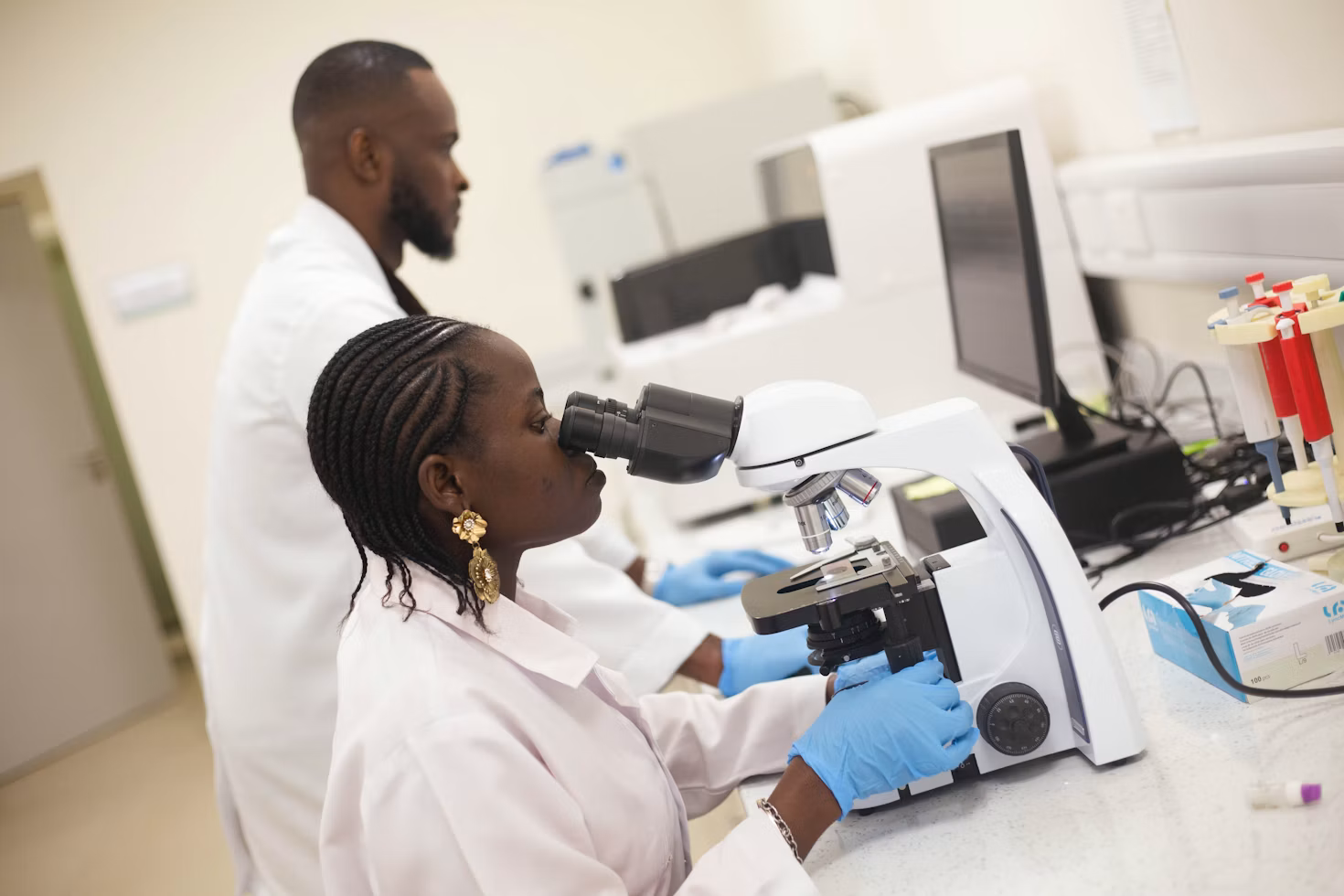
The idea of living longer has changed. Now, it’s about living a longer, healthier life. For centuries, people just wanted to extend their lifespan, often without thinking about how good those extra years would be. Today, longevity science is focusing on healthspan, the time we spend in good health, free from chronic diseases and the disabilities that come with age. This shift in thinking is fuelling huge amounts of research and investment, bringing promising ideas from labs into real-world discussions and uses.
Table of Contents
The Global Quest for Extended Healthspan
The global push to extend healthspan isn’t just about adding years to life; it’s about adding life to those years. Researchers, institutions, and biotech companies are all working together to understand the biological reasons behind aging. This ambitious project reflects how longevity science is crossing the clinical threshold, moving beyond theory and into human trials. The goal is to develop treatments that can prevent, slow, or even reverse age-related decline. This could mean a future where conditions like heart disease, dementia, and arthritis aren't just an inevitable part of getting older. Instead, they could be manageable or preventable, letting people stay active and independent for much longer.
Understanding Cellular Aging Mechanisms
At its core, aging involves complex processes happening inside our cells. Scientists have pinpointed several key mechanisms, often called the "hallmarks of aging," that lead to our bodies gradually declining. These include telomeres shortening – the protective caps on our chromosomes get shorter with each cell division – and cellular senescence, where cells stop dividing and can cause inflammation.
Another crucial factor is mitochondrial dysfunction. Mitochondria are our cells' powerhouses. When they become less efficient, energy production falters, affecting everything from muscle strength to how well we think.
Emerging Compounds in Longevity Research
As we learn more about cellular aging, the list of compounds being investigated for their potential to intervene keeps growing. One of the most studied pathways involves NAD+ (Nicotinamide Adenine Dinucleotide), a molecule vital for energy metabolism and DNA repair. NAD+ levels naturally drop as we age, and scientists are looking for ways to boost them. This has sparked a lot of interest in NAD+ precursors like NMN (Nicotinamide Mononucleotide).
Research suggests that taking NMN supplements can raise NAD+ levels, potentially supporting cellular health. For those following this science, products like the Naturecan NMN supplement show how this research is becoming available to people. Other compounds, such as resveratrol (found in grapes) and metformin (a diabetes medication), are also being intensely studied for their anti-aging properties.
Ethical Debates Around Anti-Aging Interventions
The idea of significantly extending our healthy years brings up serious ethical questions. A main concern is fairness. If these powerful treatments are expensive, will only the wealthy be able to access them? This could create a "longevity divide" that makes existing social inequalities even worse. There are also debates about whether it’s right to interfere with the natural aging process.
Some argue that aging is a fundamental part of being human, while others see it as a medical condition that should be treated. As these technologies become more viable, society will need to have a serious conversation about ensuring fair access and regulating these interventions responsibly. The goal is to make sure they benefit everyone, not just a select few.
Societal Implications of a Longer Healthier Life
Imagine a world where the average person lives to 100 or beyond in good health. That would be completely different from our world today. The societal implications are huge, touching every part of life. Traditional life stages, such as education, career, and retirement, would need a complete rethink. How would we structure careers and retirement if people remain capable and productive into their 80s and 90s? The growing focus on ageing well and staying active already reflects this shift toward maintaining independence and quality of life for longer.
Healthcare systems would shift from treating acute illnesses to promoting lifelong wellness and prevention. Family structures could also change, with multiple generations co-existing for longer periods. While these changes present challenges, they also offer incredible opportunities for a more experienced, vibrant, and intergenerational society.
Longevity science isn't trying to achieve immortality. Instead, it aims to shorten the period of illness at the end of life. By focusing on healthspan, we can work towards a future where old age means wisdom and vitality, not just survival.