
Cataracts don't announce themselves. They creep in slowly, dulling colours and softening edges, until one day you realise the world looks like it's wrapped in a thin grey film. Most people just adapt without noticing how much has faded. But that quiet adjustment has a cost, and it often shows up in the worst possible way: a missed step, a fall on the stairs, an injury that takes far longer to heal at 75 than it would have at 35.
The good news is that this is one of the easiest problems in medicine to fix. So book that appointment. Your eyes, and your independence, are worth it.
The Real Cost Of Waiting On Blurry Vision
Cataracts progress gradually; therefore individuals adjust and do not realize how their eyesight has deteriorated. First, their ability to see the difference fades. Flat surfaces appear more prominent than stairs. The sidewalk appears to blend with curbs. Their sense of depth diminishes in an effect that seems insignificant until someone makes a wrong step and has to go to the emergency room. For adults over 65, falling is the most frequent cause of injury and death, and impaired vision is one of the most common causes of such incidents.
But stumbling is not the only hazard. Poor eyesight prevents people from doing things they used to do automatically: reading the label on a drug bottle. Looking to see if the stove is still on. Recognizing someone in a crowded room. They may seem like incidental operations until they affect your life. Yet, once they do, family members must step in and take charge. This is how reliance on caregivers builds up – not because someone's health has deteriorated drastically, but because their eyes are no longer able to keep up.
Why This Isn't The Surgery People Remember From Decades Ago
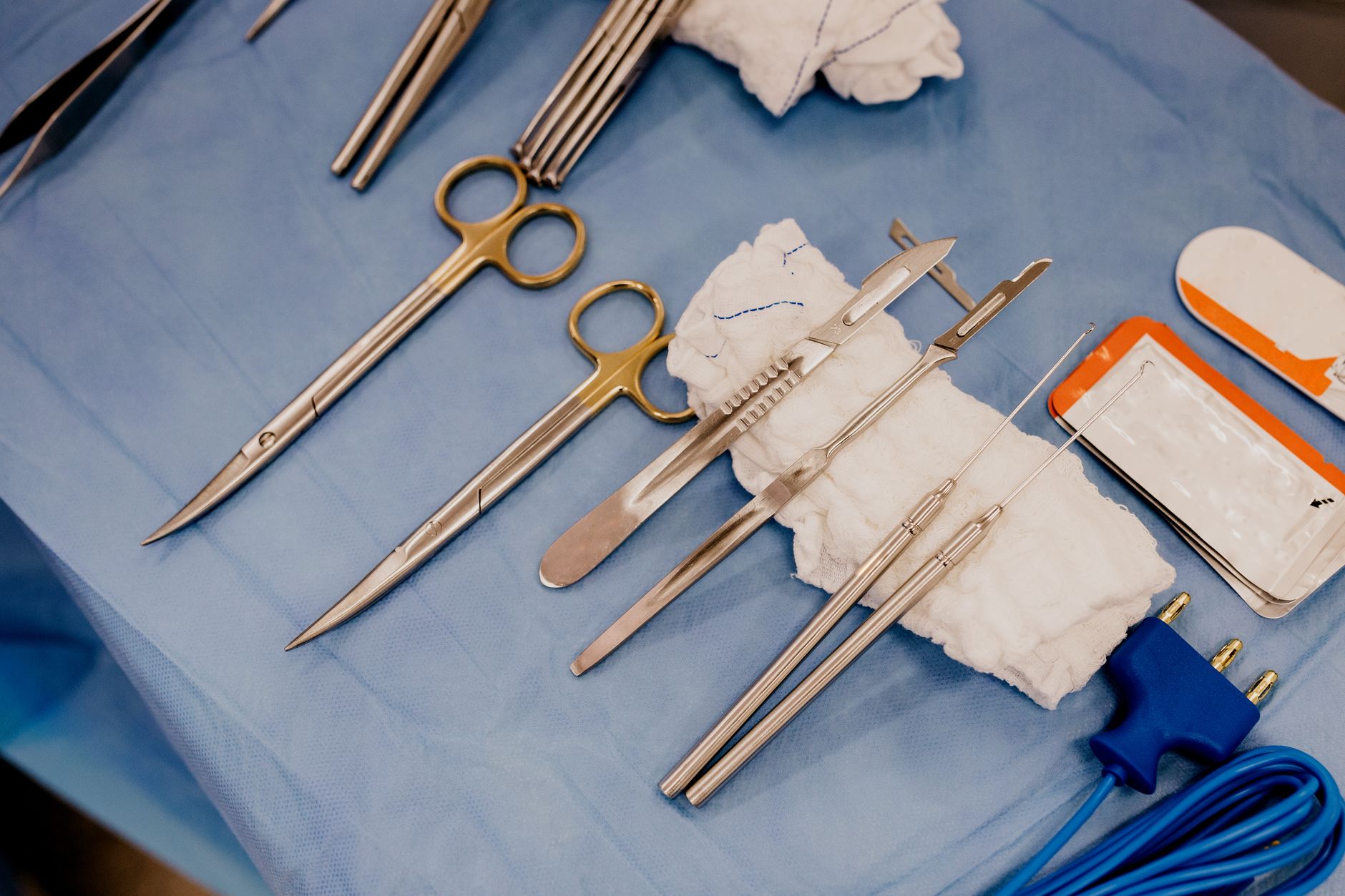
Many older people think of cataract surgery in this way – you stay in the hospital, recovery is long, and you're under general anesthesia. While that might have been true decades ago, the process has changed to a remarkably precise operation called phacoemulsification. During phacoemulsification, a surgeon uses ultrasound energy to break up the clouded lens and remove it from your eye through a tiny incision. Then, they insert an artificial intraocular lens (IOL).
The entire procedure takes about 15 to 20 minutes for each eye. It's done under local anesthesia as an outpatient surgery, so you'll be out of the hospital and recovering at home just a few hours after arriving. That recovery is fast, too. Most people can return to their normal routine within a day or two at most. Cataract surgery is also far from experimental. It's one of the safest and most routinely performed procedures in modern medicine, with decades of refinement behind every step. Given how directly it connects to fall prevention and daily independence, it's worth taking the time to explore the benefits of this eye surgery before symptoms force the issue.
There's rarely a need to brace for a difficult ordeal, since most patients describe the appointment itself as the hardest part, not the surgery. Once that first step is behind you, the rest tends to move quickly and predictably.
How Restored Vision Translates Into Fewer Falls
While visual acuity may be considered the most important measurement, other factors such as contrast sensitivity and glare reduction play a significant role in overall safety and quality of life. Cataracts cause light to scatter, which leads to problems with seeing at night and in bright sunlight. The removal of the cloudy lens and replacing it with a clear artificial lens significantly reduces this scatter, sharpens edges, and improves depth perception. This makes it easier to see curbs, steps, and uneven ground, which leads to a reduced risk of falling and subsequent fractures.
That's the difference between a confident stride and a stumble. Better contrast sensitivity means someone can actually see the edge of a step rather than sensing it's roughly there.
One Procedure, Two Problems Solved
Cataract surgery has also improved in another way – it often fixes more than just the cataract. Premium intraocular lens options can correct presbyopia and astigmatism while removing the cataract, meaning patients walk away needing glasses much less frequently, and sometimes not at all. Many doctors implement a monovision approach, in which one eye is set for distance while the other is set for near vision, to limit the dependence on reading glasses. None of this is left up to chance – quality of life metrics and patient-reported outcome tools are used to measure how much independence patients regain after the surgery, not just the results on a test chart.
For many, that means being able to pick up a book, check a phone screen, or spot a grandchild waving from across a room without fumbling for glasses first. It's a small shift on paper, but one that touches almost every part of daily life.
Independence Is The Real Outcome
Improved eyesight enables people to drive for a longer period, which matters more than most people think. When it comes to the elderly, their decision to stop driving is associated with social isolation and depression, and poor eyesight is one of the leading causes for them to relinquish their driving privileges. Clearing their vision can postpone or even eliminate this outcome, allowing them to maintain contact with their community rather than depend on others for transport.
The choice to treat cataracts is not just limited to eyesight, but it also involves retaining balance, control, and independence. This not only prevents unnecessary falls but also hospitalization. Is it then worth postponing this choice any further?