
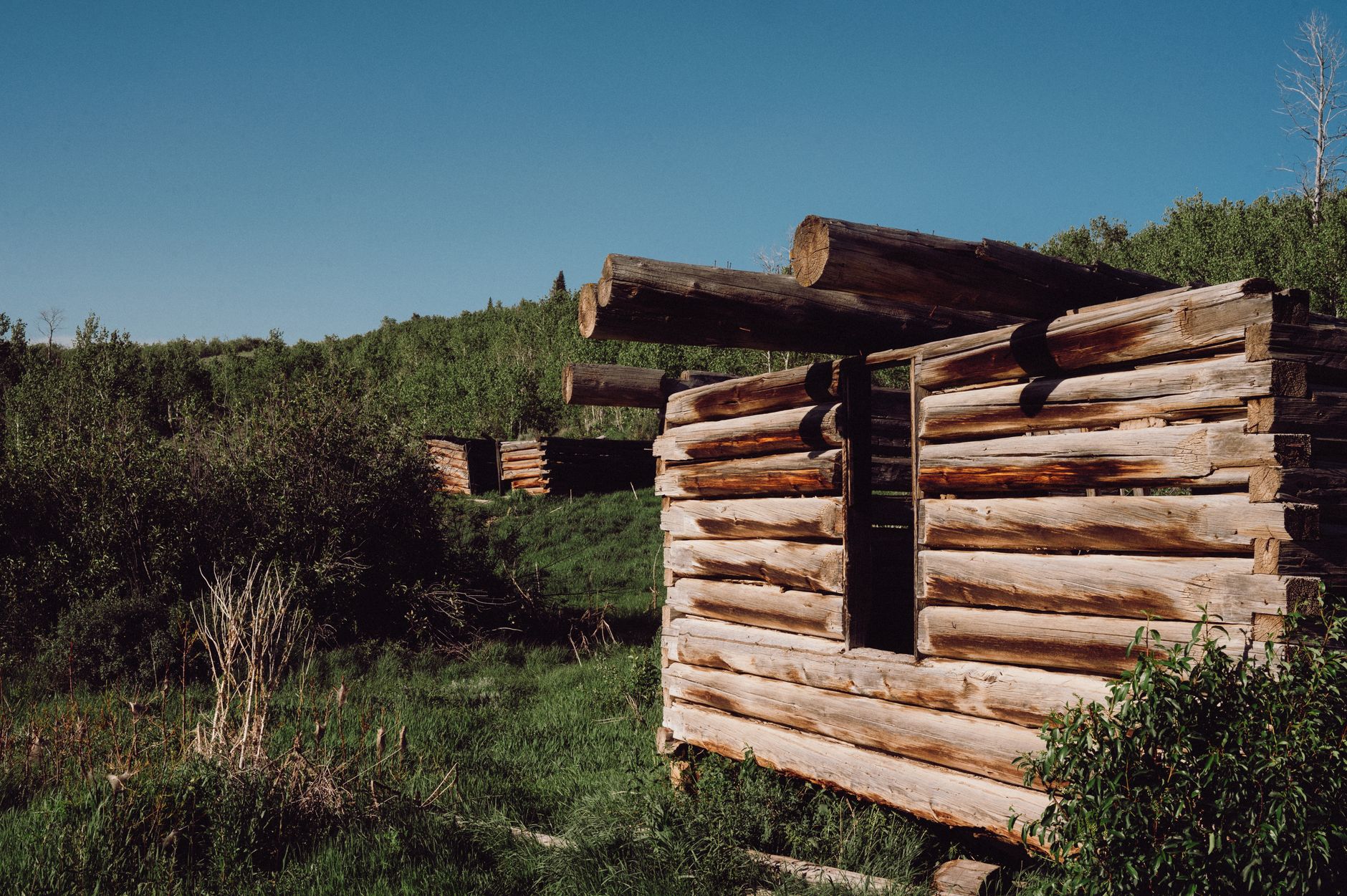
There's a certain fantasy around cabin life — the quiet, the trees, the distance from everything that felt too loud in the city. Anyone who's actually done it for more than a season knows the fantasy comes with a longer list of practical adjustments than the postcard version suggests, and security is one of the categories that catches people most off guard.
Table of Contents
- The Isolation That Drew You In Also Works Against You
- Seasonal Use Is Its Own Risk Category
- What Actually Works Out There
- Wildlife Complicates Everything
- Bringing In Help When Distance Makes DIY Impractical
- Insurance Considerations Nobody Mentions
- Solar Power as a Backup Option
- The Trade-Off Is Worth Understanding, Not Avoiding
The Isolation That Drew You In Also Works Against You
The same remoteness that makes a cabin appealing — no close neighbors, long stretches of tree cover, a driveway that isn't visible from the road — also means nobody's likely to notice if something's wrong. A break-in at a densely packed suburban house has witnesses almost by default. A break-in at a cabin outside Bastrop or up toward the Hill Country west of Austin might not be discovered for days if it's a weekend or seasonal property.
Seasonal Use Is Its Own Risk Category
Cabins that sit empty for stretches of the week, or entire seasons, present a different security profile than a full-time residence. An intruder has more time to work without interruption, and any damage or theft goes unnoticed for longer. This is exactly the scenario where remote monitoring earns its keep — a system that sends an alert the moment a door opens or a window sensor trips, rather than waiting for the next visit to discover something's missing.
What Actually Works Out There
Cellular-based systems matter more for cabin properties than almost any other use case, since rural internet is often unreliable or entirely absent. A system that depends on Wi-Fi to report an alert is useless if the property doesn't have reliable broadband in the first place, which describes a lot of the land in question. Cellular backup, or a fully cellular primary connection, solves this by routing alerts over cell towers instead of a router that might not even be plugged in most of the year.
Wildlife Complicates Everything
Anyone who's set up a security camera on wooded property has a story about a raccoon, a deer, or a curious dog triggering a dozen false alerts in one night. Getting camera sensitivity and placement right takes real trial and error in a wooded setting, and it's worth asking directly how a system handles this before installing it, rather than learning the hard way after a week of useless notifications.
Bringing In Help When Distance Makes DIY Impractical
For a full-time city residence, a DIY security kit ordered online and installed over a weekend is a reasonable option. For a cabin that you only visit occasionally, the calculus changes, since troubleshooting a malfunctioning sensor from three hours away isn't practical. Alamo Smart Home has built part of its business around exactly this kind of property, handling remote diagnostics and professional installation for cabins and weekend homes across the broader Austin and Hill Country region so owners aren't stuck driving out to fix a false alarm in person.
Insurance Considerations Nobody Mentions
Seasonal and vacation properties often carry different insurance requirements than a primary residence, and some policies specifically ask about monitored security systems as a condition of coverage or a factor in premiums. It's worth reviewing an existing policy before assuming a basic system satisfies whatever the insurer expects, since the fine print on secondary and seasonal properties tends to be stricter than most owners realize.
Solar Power as a Backup Option
For cabins without reliable grid power, or in locations where running electrical service to a detached structure isn't practical, small solar panels paired with battery backup have become a viable way to keep cameras and sensors powered year-round. Most modern battery-powered security cameras marketed for outdoor or remote use can pair with a compact solar panel that trickle-charges the unit, extending battery life indefinitely in most climates as long as the panel gets reasonable sun exposure. This setup won't power a full alarm panel or interior sensors, but for a driveway camera or an exterior motion light at a property without easy electrical access, it closes a real gap that would otherwise require expensive trenching or a generator just to keep a single camera running.
The Trade-Off Is Worth Understanding, Not Avoiding
None of this is meant to talk anyone out of cabin life — the appeal is real, and for a lot of people it's worth every extra bit of planning. But going in with clear eyes about what changes once you trade suburban density for tree-lined isolation makes the whole experience less stressful. The goal isn't to recreate city-level surveillance out in the woods; it's to make sure that the exact things that make a cabin appealing — quiet, distance, privacy — don't also become the reasons a problem goes unnoticed for far too long.