
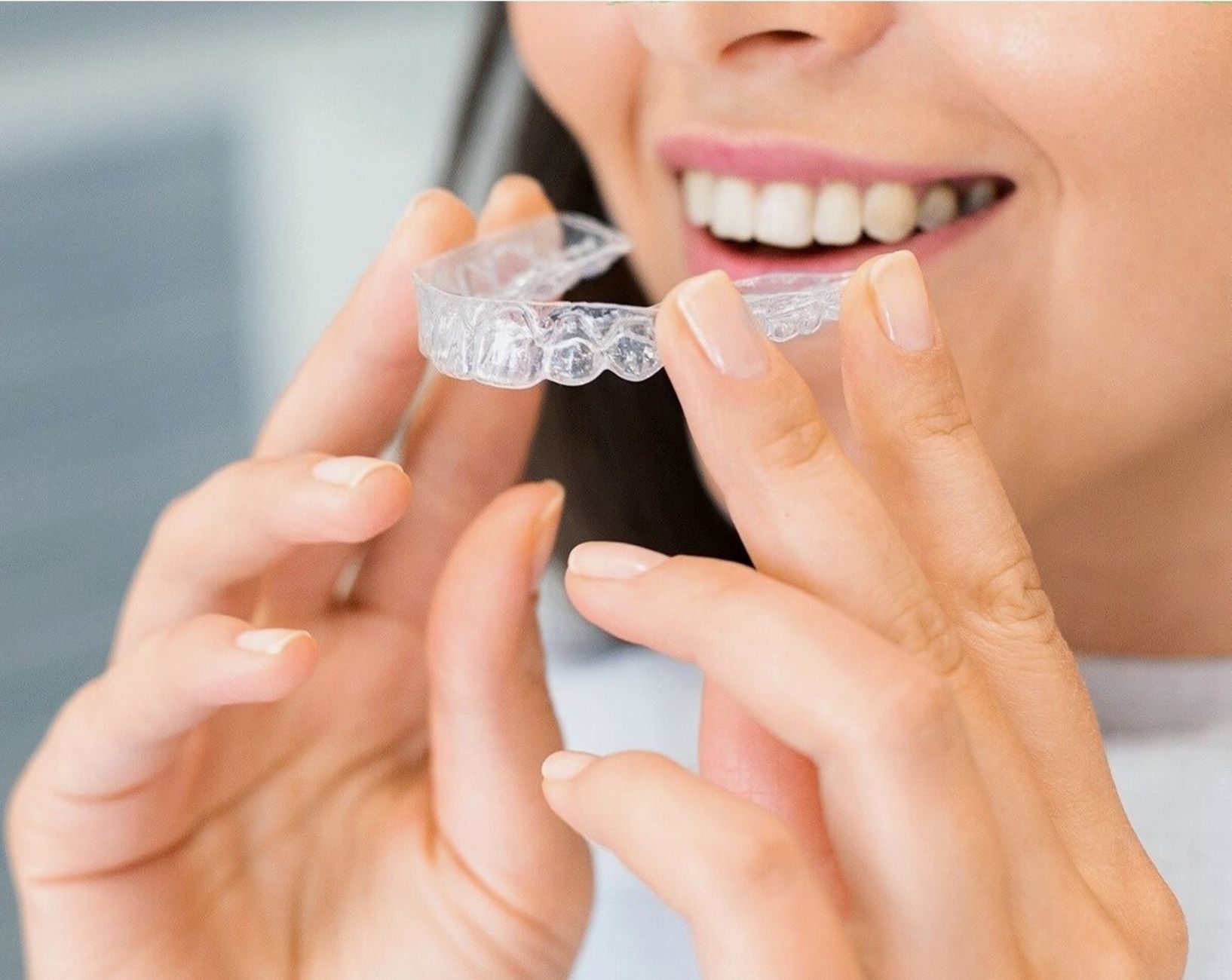
Eighteen months sounds like a long time when you hear it in a consultation chair. Then you get your first tray, your teeth feel slightly tight for two days, and the whole thing turns into background noise. Most people quit worrying about the timeline around week three, and that is exactly when it starts working.
If you are the type who needs to see the map before the trip, this is that map. Below is the honest sequence of a clear tray plan, stage by stage, with the parts that move fast, the parts that drag, and the two moments where patients are most likely to knock their own results off course.
Table of Contents
- Stage 1: The Consultation and Digital Scan
- Stage 2: The Treatment Plan and Your First Trays Arrive
- Stage 3: The Wear Window, Where Results Actually Get Made
- Stage 4: Refinements, the Stage That Surprises People
- Stage 5: Retention, the Longest Stage of All
- How Long Does the Whole Thing Actually Take?
- A Quick Pre-Start Checklist
- What Mostly Determines Your Finish Date
Stage 1: The Consultation and Digital Scan
Everything starts with a records appointment. You sit in a chair, someone takes photos and X-rays, and then a small wand glides around your mouth building a 3D model of your bite. That scan replaces the goopy impression trays of an earlier era, and it is a genuinely better experience. Most scans take ten to fifteen minutes.
The scan data is the raw material for your plan. Your orthodontist studies how your teeth currently sit, where the crowding or spacing lives, and how much movement the roots can safely handle. Then software builds a virtual version of your finished smile, and the trays get designed backward from that endpoint.
This is the stage where you should ask uncomfortable questions. How many trays? Any planned refinements? What happens if a tooth does not track? A good clinician answers those before you commit, not after.
Stage 2: The Treatment Plan and Your First Trays Arrive
Once the plan is approved, the aligners get manufactured and shipped. That gap usually runs a couple of weeks depending on the lab and the complexity of your case. You come back in, learn how to seat and remove the trays, and walk out with several sets at once.
Each set is numbered. You wear one for a set period, typically around a week or two depending on your plan, then swap to the next. The trays apply steady, gentle pressure that nudges teeth a fraction of a millimeter at a time. Nothing dramatic happens in any single tray, which is the entire point. Small consistent force beats one big shove, and that principle is well established in orthodontics. The American Dental Association maintains public resources on orthodontic care if you want a neutral starting point for understanding how tooth movement works.
Your first week is the adjustment week. Your teeth ache a little, your speech sounds slightly off to you, and you will notice the trays constantly. By day four, most of that fades.
Stage 3: The Wear Window, Where Results Actually Get Made
Here is the part nobody wants to hear. Aligners only work while they are in your mouth. Most plans call for 20 to 22 hours of daily wear, which leaves you roughly two hours a day for eating and brushing. That is a real constraint, and it shapes your whole routine.
The practical version looks like this:
- Morning: trays go back in right after you brush, before coffee.
- Meals: trays come out, go into the case, never into a napkin. Napkin losses are the single most common reason a plan stalls.
- Evening: brush, floss, rinse the tray, seat it, and leave it alone until morning.
- Drinks: water with trays in is fine. Anything with sugar, acid, or heat comes out first.
You will swap trays on a schedule your orthodontist sets. Some patients change every seven days, others every ten or fourteen. Do not freelance on this. Jumping ahead because a tray feels loose can push a tooth faster than the bone around it can keep up with.
Check-ins happen every six to ten weeks in most practices, sometimes less often if you are tracking well and using remote monitoring. Bring your questions and your trays. Also bring honesty. If you have been wearing them fourteen hours a day, say so, because your clinician can see the tracking and will call it out anyway.
Stage 4: Refinements, the Stage That Surprises People
Nobody warns you that the first set of trays is often not the last. Teeth do not always move exactly as the software predicted. Sometimes a stubborn tooth needs a new sequence, sometimes a bite needs a small adjustment at the end. That extra round is called a refinement, and it is normal rather than a failure.
Orthodontics has been refining the science of moving teeth for well over a century, and the field keeps evolving. According to the National Institutes of Health, dental and craniofacial research remains an active area of study, which is part of why treatment protocols keep improving. Refinements usually run shorter than the original phase. A few trays, a few weeks, done.
I would rather a clinician plan for a possible refinement up front than promise a single perfect pass. The first approach is honest. The second is marketing.
Stage 5: Retention, the Longest Stage of All
When your last tray comes out, the work is not over. Teeth have memory, and they drift. Retainers hold everything in place while the bone and ligaments settle around your new alignment. Wear is often full time at first, then typically overnight long term.
This is the stage people skip, and it is the stage that undoes the previous year. A retainer that sits in a drawer does nothing. If yours feels tight after a few nights off, that is your signal that it is still doing real work.
How Long Does the Whole Thing Actually Take?
Simple crowding in a motivated adult can wrap up in six months. Moderate cases usually land somewhere in the twelve to eighteen month range. Complex movement takes longer, and teens sometimes move faster because their bone is still developing. Ask your orthodontist for a range rather than a single number, because a range is what an honest forecast looks like.
What you can control is the top of the timeline. Patients who hit their daily wear window and keep every check-in tend to finish closer to the estimate. Patients who treat trays as optional wear them longer, plain and simple.
For anyone in the Johns Creek area weighing options, local practices now offer clear aligner treatment johns creek residents can start with a single scan, which is the fastest way to get a real number instead of a guess.
A Quick Pre-Start Checklist
Before you sign anything, run through this:
- Get a written estimate of tray count and expected duration.
- Ask whether refinements are included in the quoted price.
- Confirm how often check-ins happen and whether virtual visits count.
- Ask what a replacement tray costs if you lose one.
- Confirm the retainer is part of the plan, not an add-on surprise.
- Check whether your schedule can realistically handle 20-plus hours of daily wear.
Health care spending keeps climbing across the country. Baseline data from the Bureau of Labor Statistics shows medical care consistently ranking among the largest household expense categories, which is a solid reason to ask every pricing question before treatment begins rather than after.
What Mostly Determines Your Finish Date
Three things, in order of impact. Wear time, which is on you. Biological response, which nobody controls. And how closely your plan matches your actual case, which is on your clinician. You only own one of those three, so own it hard, and let the other two play out on schedule.
The consultation scan is free in most offices. What is stopping you from finding out your actual number this month?
1 thought on “A Step-by-Step Timeline of a Clear Tray Treatment Plan”