
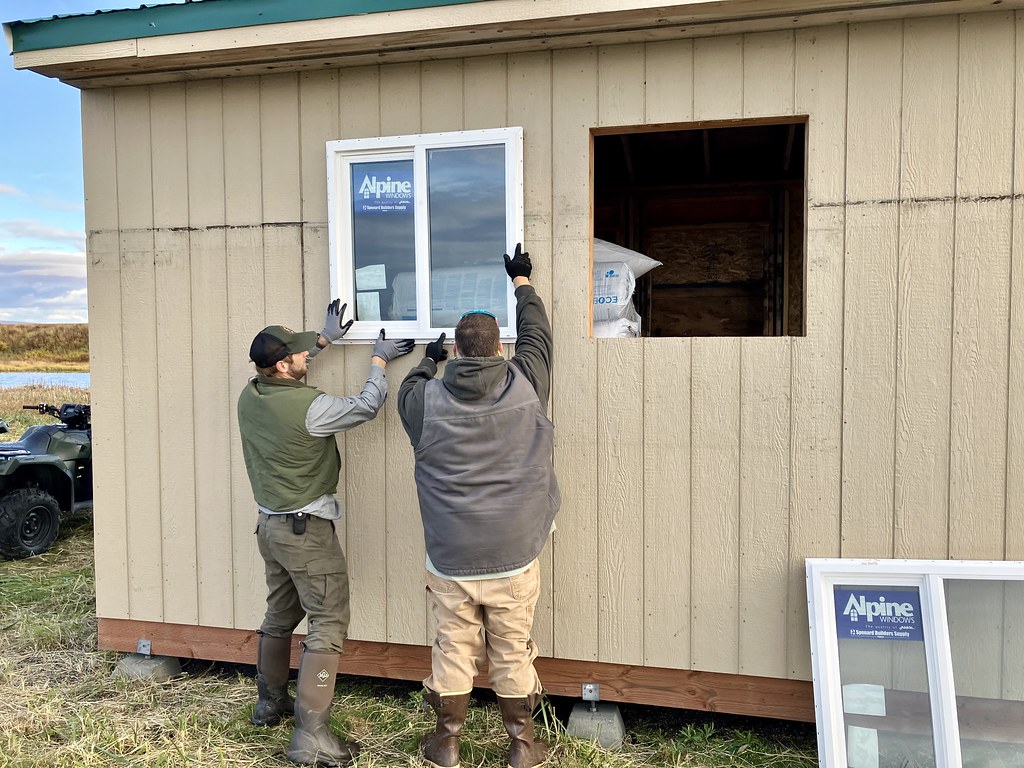
Removing an old window or exterior door sometimes reveals damage that has been developing for years. The surrounding trim may appear clean, the walls may show no signs of water stains, and the opening may look structurally sound. However, the condition beneath these visible surfaces can tell a different story.
Window and door replacement involves more than exchanging an outdated product for a newer one. The residential replacement services offered by Legacy Window & Door involve fitting new units into existing openings, where the condition of surrounding materials can influence installation quality and long-term performance.
Understanding what might be uncovered during removal helps explain why some replacement projects require additional work. Addressing concealed damage before installing new windows or doors can also prevent existing problems from affecting the replacement units.
Table of Contents
- Moisture Damage Behind Window Trim
- Deteriorated Framing Beneath Exterior Door Thresholds
- Missing Insulation Around Window Openings
- Previous Repairs May Have Concealed Rather Than Corrected Damage
- Incorrect Flashing Around Windows and Doors
- Rough Openings That Are No Longer Square
- Corroded Fasteners and Damaged Attachment Points
- How Hidden Damage Can Affect the Replacement Schedule
- Conclusion
Moisture Damage Behind Window Trim
Rainwater does not always enter a house through broken glass or an obvious opening in a window frame. Small defects in exterior sealant, flashing or surrounding siding can allow water to gradually reach concealed building materials.
Interior trim often hides the areas where moisture first accumulates. Timber behind the casing may become discolored, swollen or weakened without producing visible changes inside the room.
Damage frequently develops around lower window corners because gravity directs water toward these areas. When the old window is removed, dark staining or softened wood may become visible beneath the sill.
Not every stain indicates an active leak. Some marks may remain from an earlier problem that has already been corrected. Inspecting the surrounding materials helps determine whether moisture intrusion is ongoing or whether only historical damage remains.
Installing a new window without identifying an active leak could expose the replacement frame to the same conditions.
Deteriorated Framing Beneath Exterior Door Thresholds
The area beneath an exterior door experiences considerable wear. Foot traffic, wind-driven rain, melting snow and repeated temperature changes can gradually affect the threshold and supporting materials.
Older entrances may contain wooden components that have remained concealed beneath metal thresholds for decades.
When these materials deteriorate, the threshold can lose its firm support. The door may begin dragging, the bottom seal may become uneven, or water may enter during heavy rainfall.
Removing the existing door assembly allows the supporting surface to be examined more closely.
Why a New Threshold Needs Solid Support
A replacement threshold must rest on a suitable, stable surface. Installing it over weakened timber can allow movement whenever someone steps across the entrance.
Even slight movement may interfere with the door’s alignment and compromise the seals around its lower edge.
Damaged supporting materials should be evaluated and repaired before the new door is fitted. Where deterioration extends into structural framing, additional building work may be necessary.
Missing Insulation Around Window Openings
Older windows are sometimes surrounded by narrow cavities containing little or no insulation. These openings may have been covered with decorative trim during the original installation without being properly insulated or air-sealed.
As a result, cold air can move around the window frame even when the glass and movable sections remain in reasonable condition.
Removing the existing window provides access to these concealed gaps.
Suitable insulation can reduce heat transfer around the perimeter of the replacement unit. However, the installation method matters. Excessive pressure from inappropriate expanding foam, for example, can distort certain window frames and interfere with their operation.
This is particularly relevant when replacing older windows with vinyl or energy-efficient units. The thermal performance of the new product should be supported by appropriate insulation and sealing around the opening.
Previous Repairs May Have Concealed Rather Than Corrected Damage
A thick layer of sealant around an old window does not necessarily mean the opening has been properly maintained. Sometimes, successive repairs have covered deteriorating materials without addressing the original defect.
Layers of caulk, filler and replacement trim can make the surrounding area appear presentable while hiding moisture damage beneath the surface.
For an older house with this kind of repair history, the scope of Window & Door Replacement in Omaha, NE may depend partly on what becomes visible after the existing frames are removed. A straightforward installation can require additional preparation if earlier repairs have concealed damaged timber or poorly protected joints.
Photographs of the exposed opening can help document these discoveries. They also provide a useful basis for discussing whether additional repairs are necessary before installation continues.
Incorrect Flashing Around Windows and Doors
Flashing helps direct rainwater away from vulnerable joints between exterior openings and surrounding wall materials.
Depending on the building’s construction, flashing may consist of flexible waterproof membranes, formed metal components or other compatible materials designed to manage water.
Older installations sometimes contain incomplete flashing arrangements. In other cases, the materials may have been installed in an unsuitable sequence, allowing water to move behind the protective layers.
What Happens When Water Cannot Drain Properly?
Water that reaches the wall assembly must have a suitable route back outside. If that route is blocked, moisture can accumulate beneath the window or around the door frame.
Sealing every visible opening with caulk may make this problem worse if intended drainage paths become obstructed.
A replacement project provides an opportunity to examine how the opening manages water. Correcting flashing defects before fitting the new unit can help protect both the replacement frame and surrounding construction.
Rough Openings That Are No Longer Square
Houses can experience slight movement over time. Changes in moisture content, settlement and previous remodeling work may affect the dimensions of existing window and door openings.
These irregularities are not always apparent while the original frame remains installed. Removing it may reveal that the opening is wider at one end, slightly twisted or uneven along its supporting surface.
Legacy Window & Door offers custom window options alongside conventional replacement products. Accurate measurements become particularly valuable when dealing with older openings that do not match standard dimensions.
Nevertheless, a custom-sized window does not eliminate the need to prepare the opening correctly.
The replacement frame must be installed according to the manufacturer’s requirements. Forcing a new unit into an uneven opening can interfere with sash movement, locking mechanisms and weather seals.
Corroded Fasteners and Damaged Attachment Points
Older windows and doors may contain nails, screws or metal brackets that have deteriorated following prolonged moisture exposure.
Corrosion can reduce the reliability of these fasteners and leave surrounding materials stained or damaged. In some cases, previous installations may have used unsuitable fasteners or attached the frame to weakened sections of wood.
These defects become easier to identify once the old assembly has been removed.
A new window or door requires secure attachment to suitable supporting materials. Reusing damaged fastening points without evaluation could undermine the quality of the installation.
The necessary preparation depends on the condition of the opening and the attachment requirements of the replacement product.
How Hidden Damage Can Affect the Replacement Schedule
A replacement project may take longer than originally anticipated when removal exposes unexpected deterioration.
Minor defects, such as incomplete insulation or damaged sealant, may be relatively straightforward to address. Extensive moisture damage or compromised framing could require additional materials, specialist assessment or repairs before installation proceeds.
Before work begins, discuss how unforeseen conditions will be handled.
Useful questions include:
- Will concealed damage be photographed before repairs begin?
- How will additional work be priced?
- Who is responsible for repairing damaged framing?
- Can the opening be temporarily protected if installation must be delayed?
- Will additional repairs affect the original installation schedule?
Clear answers help prevent misunderstandings if unexpected conditions are discovered during removal.
Conclusion
Old windows and doors can hide deteriorated timber, missing insulation, damaged flashing and installation defects that remain unnoticed during routine maintenance. Removing the existing units provides valuable access to these otherwise concealed areas.
Before beginning a replacement project with Legacy Window & Door, discuss how the condition of existing openings will be evaluated and how unexpected damage will be handled. Preparing a sound opening before installing new windows or doors helps protect the investment and reduces the likelihood of earlier problems returning.
