
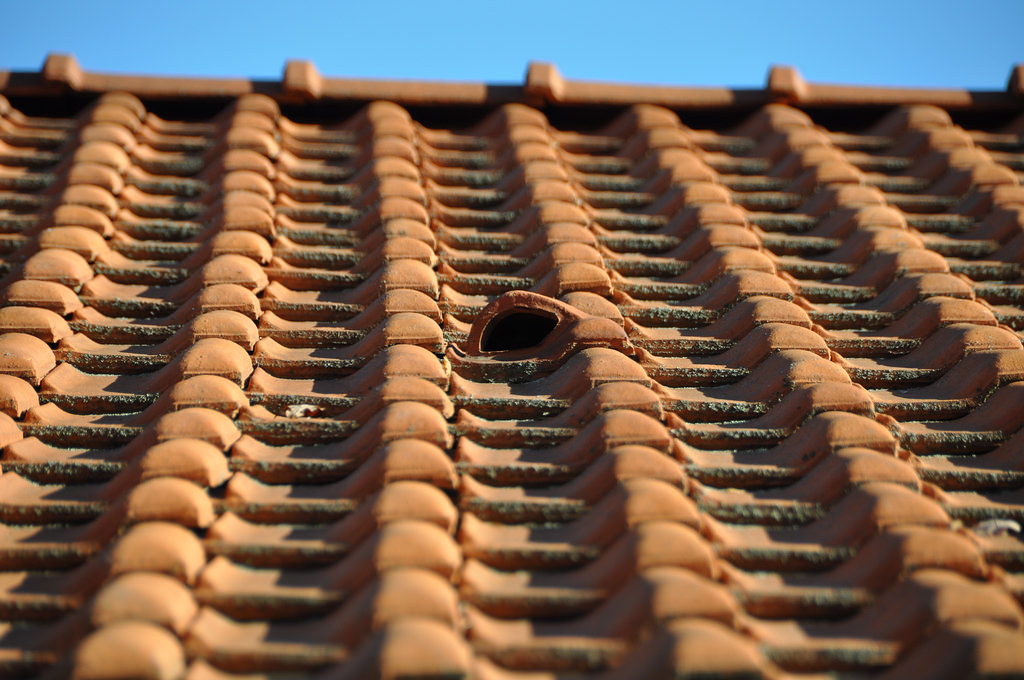
Replacing a few damaged shingles after a storm is often a sensible decision. The same applies to repairing a leaking vent or replacing a small section of flashing. However, when roofing problems continue to appear in different parts of the house, paying for individual repairs may no longer be the most economical approach.
The difficulty lies in determining whether each problem is an isolated defect or part of broader deterioration. Summit Exteriors addresses this distinction in its roofing resources, where the condition of existing materials and the extent of damage are considered alongside the age of the roof.
A repair may cost considerably less than a replacement today, but that comparison tells only part of the story. Future maintenance, recurring leaks, interior damage and the remaining useful life of the roofing materials can all influence how much you eventually spend.
Table of Contents
- Look at the Pattern of Previous Repairs
- Consider How Much Useful Life the Roof Has Left
- Repeated Repairs Involve More Than Material Costs
- Hidden Decking Damage Can Change the Financial Decision
- Matching New Materials to an Aging Roof Becomes Difficult
- Account for the Cost of Damage Inside the House
- Replacement Provides an Opportunity to Correct Existing Defects
- When Roof Repair Still Makes Financial Sense
- Conclusion
Look at the Pattern of Previous Repairs
The number of repairs completed over the past few years can reveal a great deal about the condition of a roof. More importantly, the location and nature of those repairs can indicate whether the roofing system is deteriorating as a whole.
For example, replacing flashing around a chimney may correct a specific installation defect. If the rest of the roof remains in good condition, there may be little reason to consider replacement.
However, a different situation develops when shingles repeatedly loosen, several plumbing vents begin leaking and new moisture stains appear in unrelated rooms. These problems may indicate that multiple roofing components are approaching the end of their useful lives.
Keep previous invoices, inspection reports and photographs together. Reviewing these records can help establish whether recent repairs are becoming more frequent or addressing increasingly extensive damage.
A roof that requires attention after nearly every major storm deserves a broader assessment rather than another quick repair based solely on the latest visible problem.
Consider How Much Useful Life the Roof Has Left
Roofing materials do not suddenly fail when they reach a particular age. Their condition changes gradually depending on installation quality, weather exposure, maintenance and the characteristics of the building.
Asphalt shingles, for instance, can become less flexible as they age. Their protective granules may gradually wear away, while adhesive seals can lose their strength. These changes make the materials more difficult to repair without disturbing adjacent shingles.
A relatively expensive repair might make financial sense if the remaining roof is expected to perform well for many more years. Spending the same amount on a roof with widespread deterioration may provide far less value.
This becomes particularly relevant in eastern Nebraska, where roofing materials experience summer heat, freezing temperatures, hail and strong winds. An assessment from a Roofing Company in Omaha, NE can establish whether the damage is confined to a repairable section or reflects deterioration across several roof slopes.
The objective is to understand how much service the existing roof can realistically provide after the proposed work is completed.
Repeated Repairs Involve More Than Material Costs
The shingles, flashing and sealants used during a repair represent only part of the expense. Each service appointment may also involve labour, transportation, equipment setup, safety precautions and material disposal.
These costs return every time another section of the roof requires attention.
Consider a house that develops three unrelated roofing problems over two years. Each repair might appear affordable on its own, but the combined expense could represent a meaningful portion of a replacement budget.
There is also the possibility that another defect will develop shortly after the latest repair. Money spent correcting one section does not improve the condition of aging materials elsewhere.
Instead of evaluating each estimate independently, compare the proposed repair with previous roofing expenses. Include any related interior work, such as replacing wet insulation or repairing damaged ceiling plaster.
This broader calculation provides a more realistic picture of what keeping the existing roof is costing.
Hidden Decking Damage Can Change the Financial Decision
The visible roofing material is not always the most expensive component to restore. Beneath the shingles, the roof decking provides a continuous surface for attaching the roofing system.
Persistent water intrusion can weaken wooden decking, particularly around valleys, vents, chimneys and previously repaired areas.
If moisture exposure remains limited to a small section, removing the affected roofing materials and replacing damaged decking may be sufficient. Widespread deterioration presents a different challenge.
Surface Repairs Cannot Restore Damaged Wood
Installing new shingles over compromised decking does not correct the underlying structural problem. Damaged wood may no longer hold roofing fasteners securely, and prolonged moisture exposure can contribute to further deterioration.
When discussing repair and replacement options with Summit Exteriors, ask whether the suspected damage extends beneath the visible roofing materials.
An inspection cannot always establish the full condition of concealed decking without removing part of the roof covering. However, accessible attic areas may reveal moisture stains, swollen panels or other evidence that warrants further investigation.
Matching New Materials to an Aging Roof Becomes Difficult
Repairing older asphalt shingles can introduce complications that are uncommon on newer roofs.
Manufacturers regularly change their product ranges, colours and designs. The original shingles may no longer be available, making an exact replacement difficult to find.
Even if a matching product exists, the surrounding roof may have faded considerably through years of exposure to sunlight.
Appearance is only one consideration. A roofing contractor must also determine whether the replacement material is compatible with the existing shingle dimensions, installation pattern and fastening requirements.
Removing individual damaged shingles can become difficult when neighbouring materials have turned brittle. A repair intended for a small section may require additional shingles to be removed if adjacent pieces crack during the process.
As these complications become more common, the cost and practicality of continuing isolated repairs can change substantially.
Account for the Cost of Damage Inside the House
The financial consequences of a roof leak are not limited to the roof itself. Water entering the building can damage insulation, ceiling finishes, wall materials and personal belongings.
A small leak that remains unnoticed for several months may result in considerably more work than the original roofing defect would have required.
Water can also travel along timber before reaching an interior surface, making the location and extent of damage difficult to identify without a detailed investigation.
Repeated roof leaks may lead to additional expenses involving:
- Removal and replacement of wet insulation.
- Repairing stained or deteriorated ceiling materials.
- Drying moisture-affected building components.
- Addressing fungal growth where necessary.
- Repainting damaged interior surfaces.
These expenses should form part of the repair-versus-replacement discussion, particularly when the existing roof has already experienced multiple leaks.
Replacement Provides an Opportunity to Correct Existing Defects
A complete roof replacement involves more than installing new shingles. Removing the existing covering allows contractors to examine components that would otherwise remain concealed.
This creates an opportunity to identify damaged decking, improve waterproofing around vulnerable joints and correct unsuitable flashing arrangements.
Ventilation problems can also be addressed during replacement when they form part of the roofing system’s deterioration.
For instance, a roof may have experienced recurring moisture problems because previous installations failed to account for inadequate attic airflow. Replacing individual shingles would do little to correct that issue.
A properly planned replacement can address several related defects within one project, reducing the likelihood of paying separately for each problem later.
When Roof Repair Still Makes Financial Sense
Despite the potential disadvantages of repeated repairs, replacing an entire roof is not always necessary.
Localized storm damage, an isolated flashing defect or a damaged plumbing vent can often be corrected without disturbing the remainder of the roofing system.
Repair remains a reasonable option when the surrounding materials are in good condition, the cause of the problem can be identified and there is no evidence of extensive underlying damage.
Before approving a replacement, request a clear explanation of why a smaller repair would be insufficient. The recommendation should be supported by actual findings rather than the age of the roof alone.
A well-maintained older roof with one damaged component may justify repair more readily than a newer roof with widespread installation defects.
Conclusion
Determining when to stop repairing a roof requires looking beyond the price of the next service appointment. Previous expenses, material deterioration, concealed moisture damage and the likelihood of future repairs all deserve consideration.
A detailed evaluation from a contractor such as Summit Exteriors can help clarify whether continued repairs offer meaningful value or simply postpone a larger expense. The most economical decision is the one that accounts for the roof’s actual condition and future performance, rather than focusing exclusively on the lowest immediate cost.
