
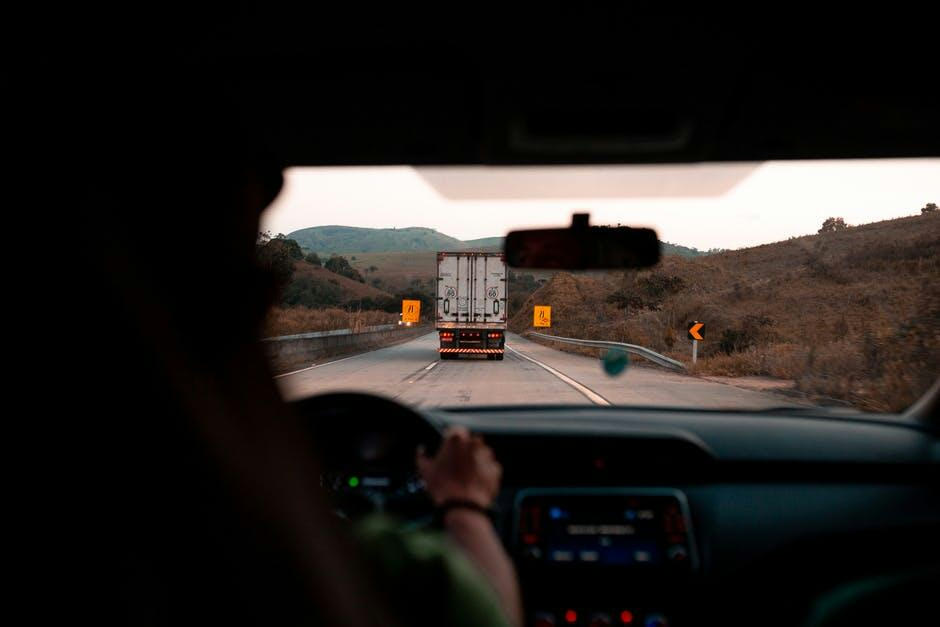
Semi-truck crashes are not like normal car crashes. One haul can involve many companies, contractors, and equipment sellers across state lines. When a big rig hurts someone, finding every business that has to pay is the main job in a serious injury claim.
Table of Contents
- Why Commercial Truck Crashes Differ From Standard Wrecks
- The Role of Good Legal Representation
- Direct Driver Negligence on the Road
- Employer Liability and Motor Carrier Responsibility
- Independent Contractor Defenses
- Freight Brokers and Shipper Accountability
- Improper Cargo Securement
- Third-Party Maintenance and Repair Contractors
- Truck and Parts Manufacturers
- Commercial Leasing Companies and Trailer Owners
- Tractor Leasing Agreements
- Trailer Interchange Rules
- Government Entities and Roadway Contractors
- Insurance Layering in Multi-Party Truck Litigation
- Proving Fault Through Federal Compliance and Crash Data
- Comparative Fault and Apportioning Damages
Why Commercial Truck Crashes Differ From Standard Wrecks
Car crashes usually involve 2 drivers and 2 personal auto policies. Truck crashes are different. They bring in federal safety rules, big company structures, and layers of commercial insurance. One crash might come from a chain of failures, not just one driver’s mistake.
Recent numbers show how bad these crashes are. The National Highway Traffic Safety Administration says 5,340 people died in large truck crashes in 2024. 70% of those deaths were people in other vehicles. Families left behind often face huge medical bills, funeral costs, and lost income.
A big rig is not like a commuter car. It runs in a supply chain built to move goods fast over long distances. Every company that touches the shipment has legal duties under state and federal law. Finding where those duties broke down takes more than reading the police report.
Investigators may need to review driver records, vehicle maintenance logs, and company safety policies. Shipping contracts can show which businesses controlled parts of the delivery. Electronic data from the truck may show its speed, braking, and driving hours before the crash.
These details can help explain if poor training, unsafe schedules, or equipment problems caused the crash. A thorough investigation can help families understand what happened and find the parties who may be responsible.
The Role of Good Legal Representation
Figuring out company contracts and federal records takes hard detective work right after a crash. Insurance carriers for major freight companies often deploy rapid-response teams to the scene within hours to protect their financial interests, and working with experienced truck wreck attorneys in Woodstock helps injured victims preserve electronic logging data, maintenance records, and driver qualification files before they disappear. A strong legal team knows how to trace blame past the driver. They look at the bigger companies paying for the trip.
Trucking companies often use shell companies, leased equipment, and contractor deals. They do this to protect their main assets from lawsuits. Legal investigators ask for dispatch logs, shipping papers, and ownership records. This shows who really controlled the trip. If you wait too long, important black box data can be erased. This can happen within weeks after the truck goes back to work.
Direct Driver Negligence on the Road
The driver behind the wheel is where any blame investigation starts. Truck drivers must follow strict rules about speed, lane changes, distractions, and rest breaks. Tired, impaired, or aggressive driving in heavy traffic can cause huge multi-car pileups.
Holding the driver responsible means checking electronic logs, dashcam video, and drug tests after the crash. Phone records and GPS data often show if a driver was rushing to meet a tight deadline. Proving driver error sets the basis for fault needed to pull in the whole company.
Truck drivers must also do pre-trip checks before getting on the highway every day. Skipping a walk-around leaves worn brakes, loose lug nuts, and broken taillights unnoticed until an emergency hits. Writing down these basic driving and inspection failures gives you leverage against both the driver and the company.
Employer Liability and Motor Carrier Responsibility
Trucking companies are often on the hook for what their drivers do. A legal rule says employers must answer for workers who cause harm on the job. Companies can also get sued directly if they skip safety rules.
Common forms of direct motor carrier negligence include:
Hiring drivers with histories of traffic violations
Failing to provide adequate training
Pressuring operators to violate federal hours
Ignoring repeated safety complaints
Federal oversight of these companies goes up and down. That makes private legal discovery critical for injured families. A U.S. Senate Commerce Committee release said federal regulators completed about 1,400 enforcement cases against motor carriers in 2025. That is down sharply from nearly 4,000 cases the year before. When government inspections slow down, dangerous carriers stay on the road longer. Civil lawsuits then force accountability.
Independent Contractor Defenses
Many trucking companies call their drivers independent owners. They do this to avoid blame for crashes. Federal rules close this gap in many cases. If a driver works under the company’s federal authority, the driver counts as an employee. Looking at the lease contract and dispatch control shows who really ran the job.
Freight Brokers and Shipper Accountability
Companies that hire trucking firms can sometimes share blame when a crash happens. Shippers load the trailers. Freight brokers match cargo with carriers across the country. If a shipper loads cargo unevenly or fails to secure heavy pallets, the weight can shift. That can make a trailer jackknife or roll over.
Freight brokers can also be blamed. They face liability when they hire carriers with bad safety ratings just to save money. Negligent selection claims look at whether the broker checked federal safety scores and active insurance before sending the load. A recent brief filed at Georgetown Law said about 500,000 large-truck crashes happen every year. These crashes kill 5,500 people and injure 150,000 more.
Improper Cargo Securement
Heavy loads like steel coils and stacked pallets push hard when a truck brakes suddenly or turns sharply. If warehouse crews rush and skip proper straps and supports, cargo can break loose inside the trailer. Many trailers are sealed, so the driver cannot check the load. That often puts the main blame on the shipping facility.
Third-Party Maintenance and Repair Contractors
Sometimes a driver does everything right. A mechanical part still fails without warning on the interstate. Product liability laws let injured victims sue the companies that designed, built, or sold defective truck parts. Bad steering columns, broken brake valves, failed rear guards, and flawed tires all fit here.
These claims need engineering experts and metal tests. That proves a manufacturing or design flaw caused the crash. Keeping the wrecked parts in a secure storage place is required. Engineers must inspect the failed parts intact. Manufacturers carry large product liability insurance. That insurance works separately from the trucking company’s auto coverage.
Recall notices and internal memos from part suppliers often show that a maker knew about a dangerous defect. This can be months or years before a crash. Asking for warranty claim histories helps prove whether a repeated part failure put thousands of drivers in danger.
Truck and Parts Manufacturers
Sometimes a driver does everything right. A mechanical part still fails without warning on the interstate. Product liability laws let injured victims sue the companies that designed, built, or sold defective truck parts. Bad steering columns, broken brake valves, failed underride guards, and flawed tires all fit here.
These claims need forensic engineering and metal testing. That proves a manufacturing or design flaw caused the crash. Keeping the wrecked parts in a secure storage place is required. Engineers must inspect the failed parts intact. Manufacturers carry large product liability insurance. That insurance works separately from the trucking company’s auto coverage.
Recall notices and internal memos from part suppliers often show that a maker knew about a dangerous defect months or years before a crash. Asking for warranty claim histories helps prove whether a repeated part failure put thousands of drivers in danger.
Commercial Leasing Companies and Trailer Owners
In modern logistics, the company that owns the truck cab is often different from the company that owns the cargo trailer. Trucks and trailers are leased, shared, and pulled by many carriers in one month. Finding out who owned, inspected, and maintained each piece of equipment is key. It helps map out every insurance policy.
Tractor Leasing Agreements
Leasing companies and trucking companies sign long-term leases. These leases say who handles preventative maintenance. Sometimes the leasing company keeps the maintenance work. If it fails to fix known mechanical problems, it can be blamed for crashes that happen. Full-service leases often have strict repair schedules. The leasing company must follow them every time a truck comes into a terminal.
Trailer Interchange Rules
Trailers often pass from one company to another. This happens at rail yards and warehouses. Federal rules say the owner must keep the lights, brakes, and tires safe. They must do this before handing the trailer off. A broken guard or a dim light can pull the owner into a lawsuit.
Government Entities and Roadway Contractors
Bad roads can cause truck crashes. Missing guardrails and dark construction zones make it worse. Big trucks need wide turns, clear signs, and sloped curves to stay safe at high speeds. If a state agency or road contractor leaves dangerous drop-offs or confusing lane changes, they may share the blame.
Claims against government agencies have strict rules and short deadlines. Private road companies can be sued under normal negligence rules.
Investigators check state road plans, work zone logs, and past crashes at the same mile marker. If an agency or contractor ignored warnings about a dangerous road, that helps prove shared fault.
Insurance Layering in Multi-Party Truck Litigation
Getting full payment after a terrible crash means looking at more than one insurance policy. Many companies are involved in trucking, and their insurance can overlap. Michigan State University says over 70% of U.S. freight moves by truck. Federal rules require at least $750,000 in liability coverage for commercial carriers.
Serious injuries and wrongful death claims can go over that minimum in just a few days in the hospital. Lawyers look at coverage from every responsible company. That way, big medical bills, long rehab, and lost income are fully covered.
Key insurance layers often uncovered during litigation include:
Primary commercial auto liability policies
Excess and umbrella policies
General commercial liability ps
Product liability coverage
Lawyers ask for proof of every insurance policy while the case is open. Companies sometimes hide extra coverage. They only share it when a judge makes them.
Proving Fault Through Federal Compliance and Crash Data
Building a multi’party case means matching physical crash evidence to strict federal safety rules. Every trucking company must keep detailed driver files, alcohol test results, and daily inspection logs. Right after a crash, lawyers send spoliation letters. These letters legally stop companies from deleting electronic data or repairing damaged trucks.
Traffic trends show why enforcing these records matters for public safety. The Insurance Institute for Highway Safety says deaths in large truck crashes were 58% higher in 2024 than in 2009. Pairing federal safety audits with accident reconstruction gives juries a clear picture of how each company’s negligence added to the crash.
Engine control modules in modern semi’trucks record speed, throttle position, brake use, and cruise control in the last seconds before impact. Downloading this raw data removes guesswork. It also counters false statements from negligent drivers or company defense teams.
Comparative Fault and Apportioning Damages
When more than one person or company causes a highway crash, courts must split the blame. Under comparative fault rules, a jury gives each party a percentage of the blame. For example, a trucking company might get 60%, a maintenance contractor 25%, and a cargo loader 15%.
More trucks on the road means more injuries. The National Safety Council says 120,724 large trucks were in injury crashes in 2024. That is up 5.4% from the year before. Overall traffic deaths may have dropped about 6.7% in 2025, according to early estimates from the National Highway Traffic Safety Administration. But truck crashes with many parties are still some of the hardest-fought cases in civil court.
Each company tries hard to push blame onto the others so it pays less. Strong written evidence keeps every at-fault party in the case until a fair settlement or trial verdict is reached.
Figuring out company structures, federal rules, and overlapping insurance takes patience and careful prep. Finding every liable party early protects injured drivers from unpaid medical bills when one company’s insurance runs out.
Want to learn more about truck accident claims and legal responsibilities? Explore more articles on our blog for helpful information about commercial vehicle accidents, liability, insurance coverage, injury claims, and protecting your legal rights.
