
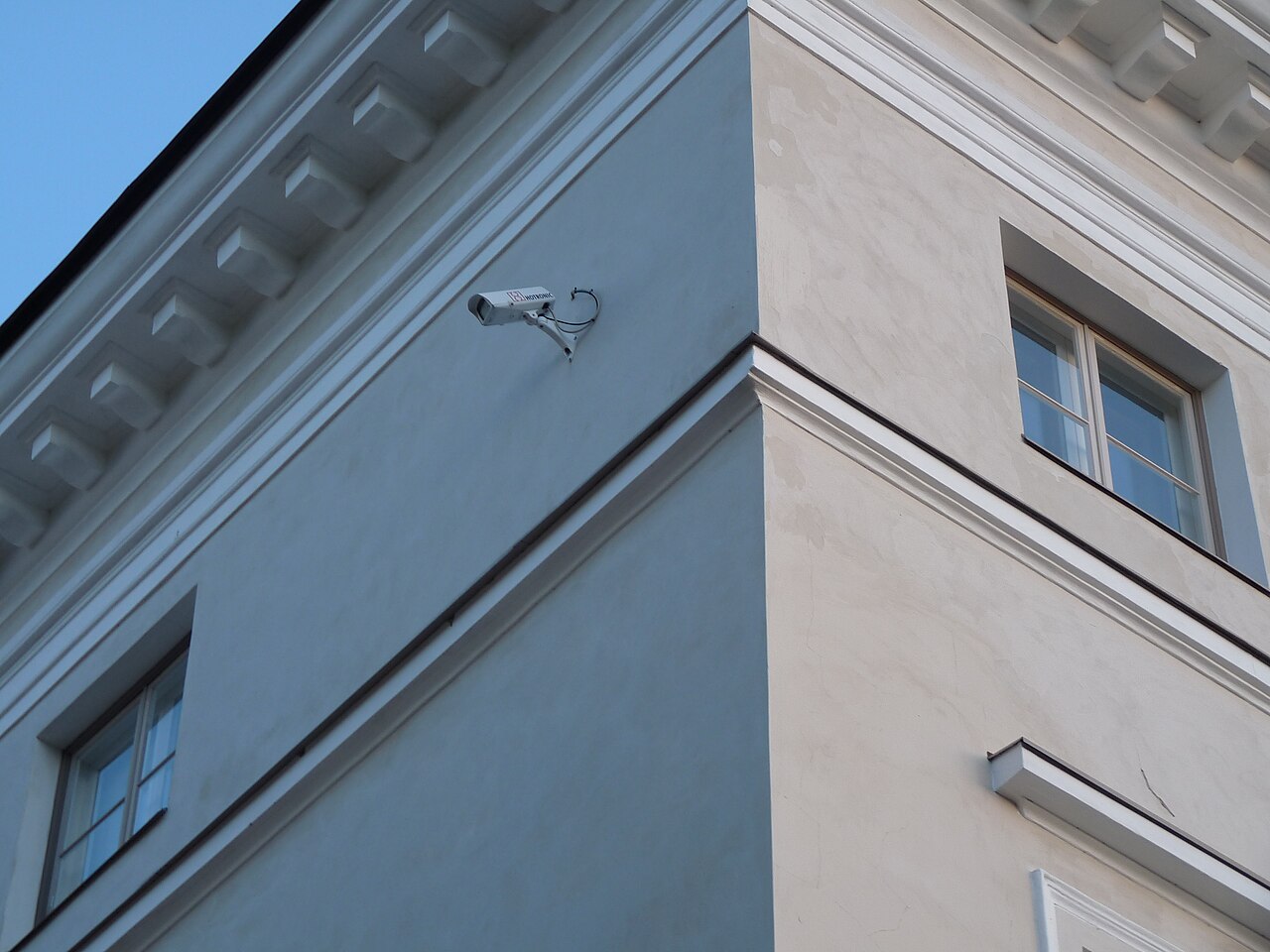
Most security salespeople start with the panel. I’d start with your garage door.
That sounds like a small thing until you’ve watched a neighbor’s garage sit open all afternoon while everyone was at work. In a Lehi subdivision where the houses are close together and the driveways all look alike, the boring stuff protects you. The flashy stuff mostly protects the vendor’s margin.
So here’s the split I’d use if I were shopping today: features that change what happens when someone actually tries to get in, and features that change how the system feels on a Tuesday afternoon. Only the first group is worth stretching your budget for. If you’re comparing Home Security Companies Lehi homeowners actually recommend, ask each one which of their features fall into which bucket. The good ones answer without flinching.
Table of Contents
- What actually stops a break-in (and what just looks impressive)
- The features that quietly cost you more than they’re worth
- Contract length is a feature, and most buyers forget to score it
- My four-point checklist before you sign in Lehi
- Why Lehi homes have a specific set of weak points
- Spend on the boring parts
What actually stops a break-in (and what just looks impressive)
Door and window sensors are the least glamorous part of any system, and they’re the part that works. A contact sensor trips the moment a door opens, which is the earliest warning you’ll ever get. Motion sensors inside the home catch the person who came in through a window you forgot was unlocked. That’s the core. Everything else is an upgrade to how fast that warning reaches someone who can act on it.
Professional monitoring is the upgrade I’d pay for first. A siren scares a burglar for about as long as it takes to run to the next street. A monitoring center that calls you, then the police, keeps the response moving when you’re at a soccer game in Vineyard and can’t check your phone. Consumer Reports’ buying guide treats monitoring as the backbone of a system rather than an add-on, and that matches what I’ve seen. The panel only tells you something happened. Somebody has to pick up the phone.
The features that quietly cost you more than they’re worth
Camera count is the big one. A six-camera package sounds serious until you realize three of them are pointed at a fence. Two well-placed cameras at the front door and the driveway beat six covering nothing. Ask where each camera looks and what it would actually record, and watch how the conversation changes.
Smart-home tie-ins are the second trap. Lights that flash when the alarm trips are fun for a week. A thermostat that talks to your panel won’t keep a stranger out of your hallway. If a feature only matters when you’re showing the app to a friend, it’s a demo feature, not a security feature. The security.org roundup of systems is a useful gut check here: the equipment that keeps showing up across brands is the plain stuff, not the party tricks.
Contract length is a feature, and most buyers forget to score it
The monthly price on the flyer and the monthly price you actually pay can be very different things once a multi-year agreement is involved. A three-year contract at a low rate can cost more than a month-to-month plan at a higher one, especially if you move, sell the house, or just get tired of the company.
Here’s the test I’d run on any rep: what does it cost me to walk away? If the answer involves a cancellation fee schedule, you’re not buying a service, you’re financing equipment. Month-to-month terms put the pressure where it belongs, on the company to keep you happy. That’s a feature I’d rank above almost any piece of hardware.
My four-point checklist before you sign in Lehi
Run every quote through this. Ten minutes now beats a few years of wishing you’d read the fine print.
- Have the salesperson tour the house with you. If they quote from a tablet without looking at your doors and windows, they’re guessing.
- Get the monitoring price in writing, monthly, with the contract term next to it. No verbal promises.
- Ask how the system behaves when the power goes out. Battery backup and cellular backup are the difference between a system and a decoration.
- Find out who does the installation. A professional install that hides wires and places sensors correctly beats a box you drill into the wrong spot.
One more, and it’s the one I’d hold firm on: ask for the cancellation terms before you ask for the discount. The order of those two questions tells you a lot about who you’re dealing with.
Why Lehi homes have a specific set of weak points
Utah Valley construction moves fast, and new builds often come with builder-grade doors and garage openers that weren’t chosen with security in mind. Add a household where both adults work and kids come home to an empty house for an hour, and that gap in coverage is a real one. A system tuned to that schedule, with alerts that reach a parent’s phone and a monitoring center as backup, does more than a wall of cameras ever will. Property and casualty coverage helps after a loss, as BYU’s Marriott School insurance overview makes clear, but a payout arrives after the fact. Stopping the break-in first is the cheaper path.
Spend on the boring parts
Sensors, monitoring, backup power, and the freedom to walk away. That covers it. Cameras earn their place when they cover a real approach path, and smart-home extras earn their place almost never. Get a quote that names every one of those, in writing, with the term spelled out, and you’ll be ahead of most of your neighbors before the first bill arrives. Which of your current features would you actually miss if it disappeared tomorrow?
