
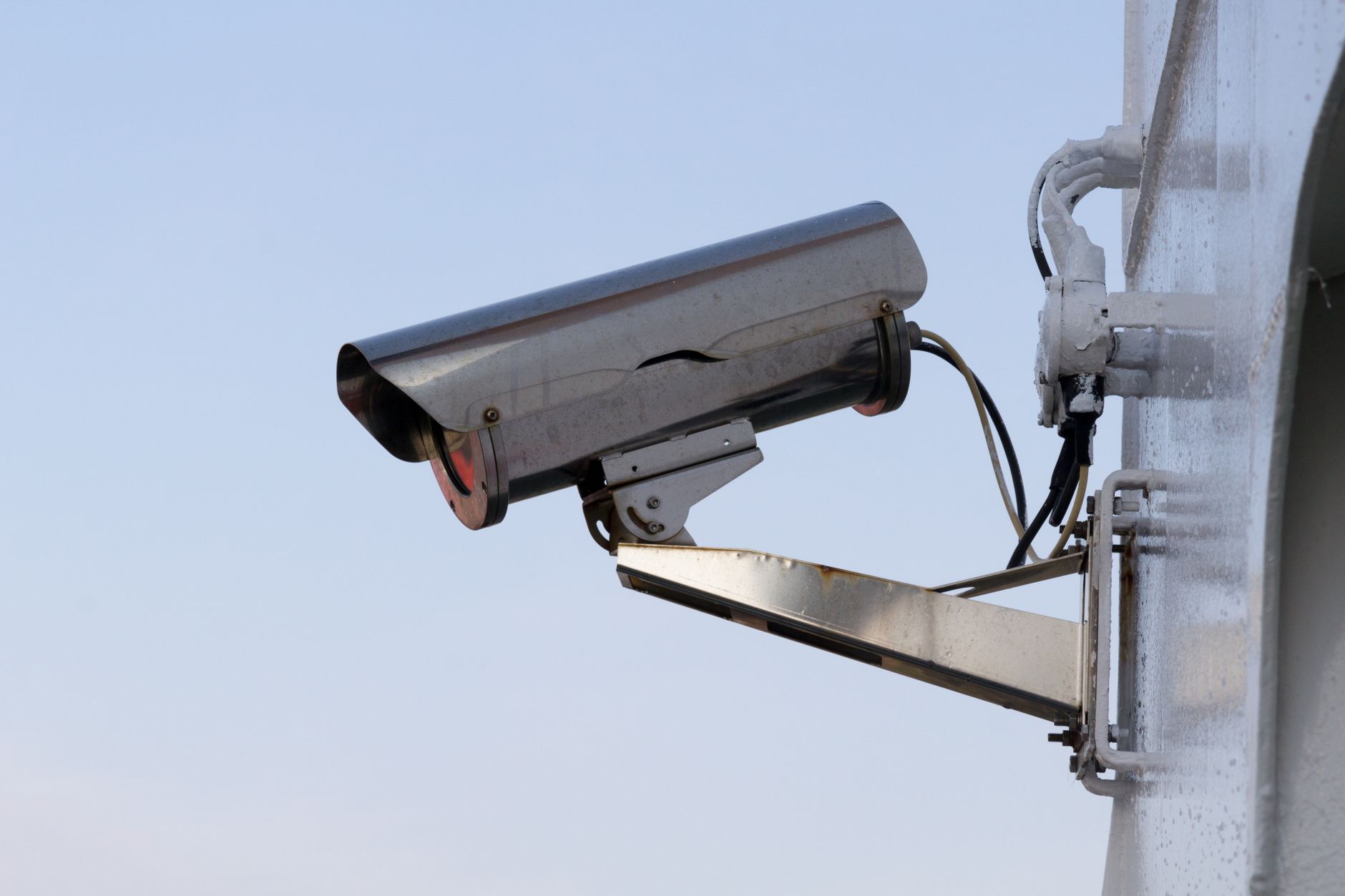
A roof replacement sounds straightforward until someone looks closely at everything attached to the roof. Alongside the shingles might be a satellite dish, several solar panels, a television antenna, a plumbing vent, and the outlet for a bathroom fan. Each piece has its own mounting method, and several pass through the surface that the roofing crew is about to remove.
Homeowners sometimes assume these items can be lifted aside and put back once the new roof is finished. In reality, some can remain in place while nearby materials are replaced, some require separate specialists, and others should be removed permanently. The answer depends on the equipment, how it was installed, and whether the new roofing system can be completed properly around it.
A little preparation matters here. Discovering on installation day that a solar company must disconnect a system, or that an old antenna bracket has left holes in the decking, can interrupt work at the least convenient moment.
Table of Contents
- Start With an Inventory of Everything on the Roof
- Satellite Dishes and Antennas Are More Than Surface Accessories
- Confirm Responsibilities Before the Work Begins
- Solar Panels Require Their Own Sequence
- Vents and Exhaust Outlets Cannot Simply Be Covered Over
- The New Roof Must Work Around the Attachments, Not Vice Versa
- Decide Whether Old Mounting Points Should Stay
- Make the Final Walkthrough About More Than Shingles
Start With an Inventory of Everything on the Roof
Before the roofing estimate is finalized, identify every attachment, including ones that are easy to miss from the ground. Look for solar modules, antennas, satellite dishes, vents, exhaust outlets, skylights, snow guards where applicable, and brackets from equipment that was removed years ago.
Do not climb onto the roof to make the list. Ground-level photographs, previous installation records, and an assessment by a roofing professional are safer ways to document the existing setup. Some equipment belongs to a utility or service provider, which can affect who is permitted to disconnect or move it.
Find Out What Is Still Being Used
An old satellite dish might be disconnected, while a similar-looking antenna still provides television reception. A pipe protruding through the roof might be a plumbing vent that must remain functional. Appearance alone does not establish whether an item can be removed.
Ask the people who use the systems and check available records before authorizing changes. Removing an abandoned bracket may be sensible; removing a working vent because it seems unnecessary is not.
Satellite Dishes and Antennas Are More Than Surface Accessories
Dishes and antennas are often attached to a roof using brackets secured through roofing materials into structural backing. Even when the device is small, its fasteners and mounting hardware create details that must be considered during replacement.
If the equipment will be reused, the installer may need to remove it and restore its position after roofing work. A satellite dish can also require realignment to restore reception. Cable routing should be assessed rather than simply trapped beneath new shingles or stretched across a newly finished roof.
For unused equipment, removal can be the better long-term choice. But taking away the bracket does not make the fastener holes disappear. The roofer needs to inspect the exposed area and restore the roof assembly using appropriate materials and methods, replacing damaged decking when necessary.
Confirm Responsibilities Before the Work Begins
Roofers are responsible for the roof system, but they are not automatically qualified to disconnect every device installed above it. A solar array may need a specialist. Electrical equipment may require an electrician. A satellite provider may have its own procedure for relocation.
A good roofing company should be able to explain which roof attachments its crew can handle, which need outside coordination, and how penetrations will be weatherproofed once work is complete. The useful sign is a clear division of responsibility, not a promise that one crew can do absolutely everything.
Get these responsibilities in writing. Otherwise, the roofer may arrive expecting clear access while the equipment installer assumes the panels or dish can stay in place.
Solar Panels Require Their Own Sequence
Solar panels cover portions of the roof that may need new underlayment, flashing, and shingles. Depending on the mounting system and scope of replacement, panels and rails may need to be removed before the roofing crew can reach those layers. The system must be safely de-energized and handled by appropriately qualified personnel.
Reinstallation is not always a matter of putting each component back into the same hole. Mounts need to be compatible with the new roofing assembly and properly attached and flashed. Hardware may need replacing, and the solar contractor should verify the system after reconnection.
Ask About Storage, Testing, and Scheduling
Find out where panels will be kept while work is underway and how they will be protected from damage. Ask who checks the condition of brackets, cables, and other components before reuse. Some warranties or service agreements may impose specific requirements for handling the equipment.
Solar removal and reinstallation can affect the roofing calendar, particularly if separate crews are needed on different days. A coordinated schedule is more reliable than arranging the return visit after the shingles have already been delivered.
Vents and Exhaust Outlets Cannot Simply Be Covered Over
Plumbing vent pipes allow the drainage system to function correctly, while roof outlets may serve bathroom fans or other ventilation equipment. They perform different jobs, but both need suitable roof penetrations and flashing details.
During replacement, worn pipe boots or flashing may need renewing. The correct solution depends on the pipe, roofing material, and installation requirements. A roof outlet also needs to discharge where permitted; redirecting an exhaust into the attic to simplify roofing work would create a separate moisture problem.
Roofers should check exposed surrounding decking for deterioration, especially near penetrations with previous leaks. Concealed wet wood may only become visible once old materials are lifted.
The New Roof Must Work Around the Attachments, Not Vice Versa
Fasteners and brackets can interrupt the overlapping layers that normally shed water down a roof. Reliable installation requires these details to be integrated with the covering, underlayment, and flashing system instead of depending on a bead of surface sealant alone.
When arranging a roofing installation service, homeowners should ask how reused mounts, new penetrations, and abandoned holes will be addressed in the planned scope. This is especially worthwhile when the roof carries several different devices installed at different times. Each connection needs its own appropriate treatment rather than one generic patching method.
A roof can look finished from the street while still having vulnerable details around an attachment. Photographs of completed flashing and mount locations can be useful records for future servicing.
Decide Whether Old Mounting Points Should Stay
A previous owner may have moved a dish or removed an antenna without taking away the underlying bracket. On an aging roof, that hardware can remain unnoticed among the shingles. A full replacement offers an opportunity to evaluate whether it serves any purpose.
If it is no longer needed, ask for the mounting hardware to be removed and the affected roof area restored correctly. If the equipment is likely to return, discuss a proper mounting plan before the new materials go on. Avoid leaving unexplained holes or improvised plugs for someone else to deal with later.
Make the Final Walkthrough About More Than Shingles
After installation, confirm that each retained device is secure and functioning as intended. Ask whether separate technicians have completed any required reconnection or testing. Review the locations of new flashing, the condition of replaced vent components, and any changes made to cables or mounts.
Keep the roofing documentation together with equipment records and photographs. If a technician later needs to service a panel, dish, or roof outlet, those details help explain how the new roof was assembled.
The most successful roof replacement leaves two things behind: a properly completed roofing system and equipment that still does its intended job. Neither result should be assumed. Identifying attachments early, assigning qualified people to handle them, and planning every penetration makes the finished project far less likely to require immediate follow-up work.
1 thought on “What Happens to Roof-Mounted Equipment When a House Needs a New Roof?”