
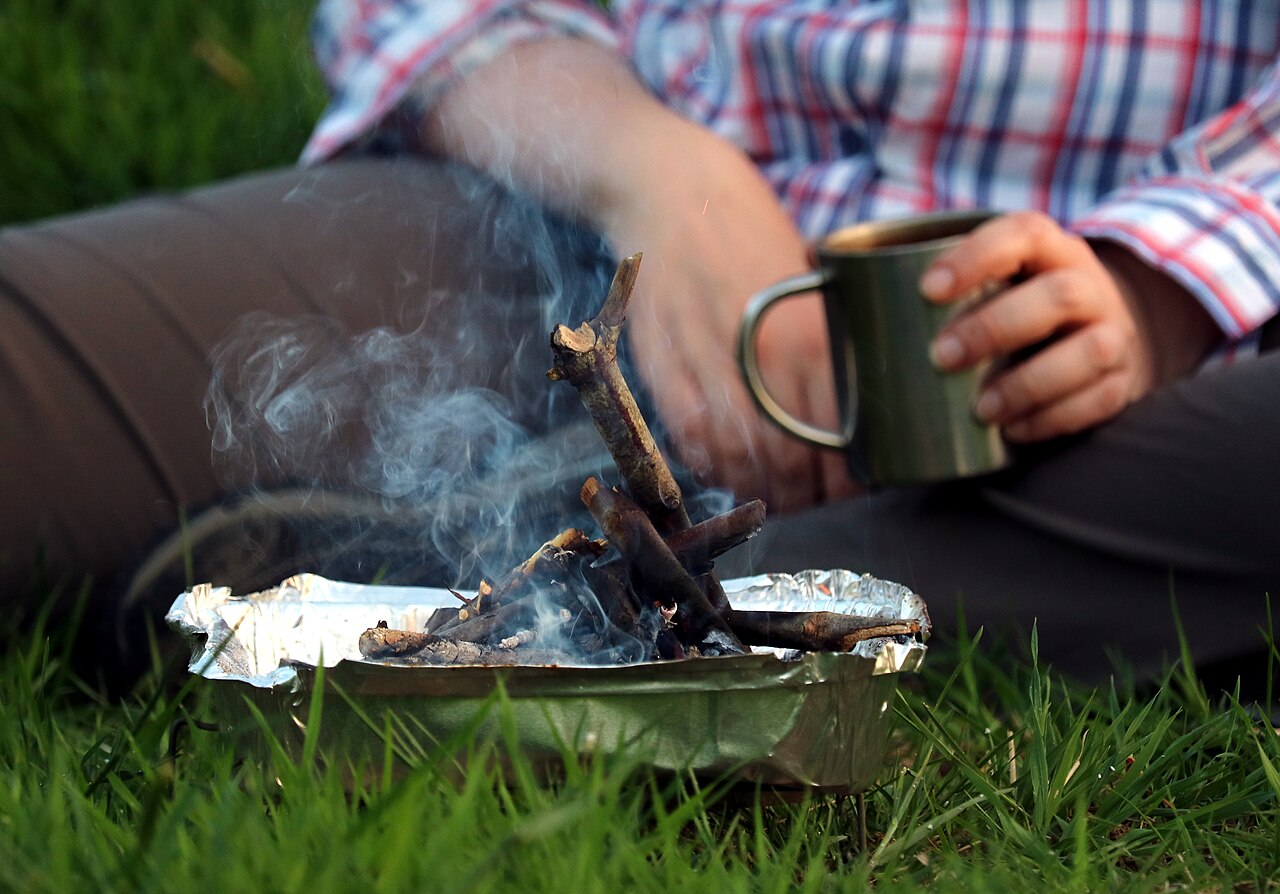
Domestic caravan and camping trips have recently hit all-time records in Australia. With travellers taking over 17 million trips a year, drive-accessible regional destinations remain the absolute backbone of the Australian outdoor lifestyle. Interestingly, autumn camping trips have seen a notable resurgence, making cooler-weather woodland getaways increasingly popular for groups of friends and families alike. Whether you are heading to the dense forests of Victoria or the coastal bushlands of New South Wales, there is an undeniable appeal in swapping the busy city streets for a quiet weekend among the trees.
One of the greatest joys of any wilderness escape is gathering around a campfire or portable grill for a proper barbecue. The Australian outdoor entertaining market is experiencing sustained growth, but cooking in the woods requires a different approach than firing up the gas burner in your backyard. With the right preparation, you can easily elevate your campsite dining from basic burnt sausages to a truly memorable culinary experience. It is all about combining clever preparation with highly functional equipment.
Table of Contents
Gear Up for Wilderness Cooking
When packing for a cabin retreat or a bush camping spot, choosing the right gear makes all the difference. Portable outdoor cooking equipment is now focusing heavily on weight efficiency, with premium compact folding grills designed for vehicle-based camping frequently weighing under ten kilograms. When selecting a portable barbecue for a group, outdoor cooking experts recommend allowing approximately 200 square centimetres of grill space per person.
While push-button gas options offer unmatched convenience, natural charcoal remains a highly sought-after fuel choice for the authentic, smoky flavour it imparts to wilderness meals. Just as important as your cooking gear is your beverage cooling strategy. Sitting by a hot grill requires a reliable way to keep your drinks chilled. Because of its dense, closed-cell foam structure, neoprene creates a thermal barrier that slows heat transfer through both conduction and convection. Supplying your group with a Custom Stubby Holder made from high-grade neoprene can keep beverages colder for up to 40 percent longer than standard, cheaper open-cell foam options. This clever material remains waterproof, effectively stopping condensation from dripping onto your camping clothing while serving as a highly functional keepsake from the trip.
Planning a Stress-Free Camp Menu
A successful outdoor feast relies heavily on smart, efficient preparation. The current trend in Australian outdoor cooking is leaning towards American-style low and slow smoking, which is expanding camp menus to include rich dishes like slow-cooked lamb shoulder and brisket. However, you do not want to spend your entire holiday managing a complex cooking and cleaning process. Balancing ambitious flavours with practical cooking methods is the secret to a relaxing getaway.
Before you start packing the vehicle, mapping out a few simple camp meals will save you from washing endless pans in the dark once the woodland barbecue winds down. Pre-cutting your ingredients at home, marinating meats in sealed vacuum bags, and focusing on one-pot side dishes will make the whole process much more enjoyable. This approach allows you to spend less time chopping vegetables on a tiny folding table and more time appreciating the natural surroundings.
Food Safety and Temperature Control in the Wild
Taking perishables into the woods requires strict attention to temperature control. Without the convenience of a kitchen fridge, you must pack your coolers strategically to prevent spoilage and foodborne illness. Freezing water bottles to use as large ice blocks is a highly effective way to maximise cooler space while providing cold drinking water as they slowly melt over the weekend. Layering your ice box with the most perishable items at the very bottom ensures they stay as cold as possible for as long as possible.
According to Australian government food safety guidelines, the danger zone for rapid bacterial growth sits exactly between 5°C and 60°C, making proper thermal insulation for your raw meats and dairy an absolute necessity when dining outdoors. Cooked foods should also be consumed promptly and never left out on the picnic table for more than two hours. Ensuring your camping crew follows these simple hygiene rules will keep everyone healthy and happy throughout the holiday.
The Ultimate Woodland BBQ Checklist
To ensure your next regional getaway goes off without a hitch, keep this quick packing checklist handy when loading up your vehicle:
- A compact folding grill tailored to your group size and cooking preferences
- Natural lump charcoal and a chimney starter for a fast, chemical-free fire
- Quality insulated coolers packed with frozen water bottles and layered ice
- Pre-chopped vegetables and marinated meats stored in watertight containers
- Personalised neoprene beverage insulators to keep drinks cold and hands dry
- A reliable digital meat thermometer to guarantee safe internal cooking temperatures
An unforgettable woodland BBQ is about much more than just the food. It is about appreciating the wilderness, sharing a laugh with friends, and enjoying a relaxing meal under the trees. By investing in the right lightweight gear, prioritising food safety, and doing a bit of menu prep work at home, you can easily pull off a spectacular outdoor feast.